
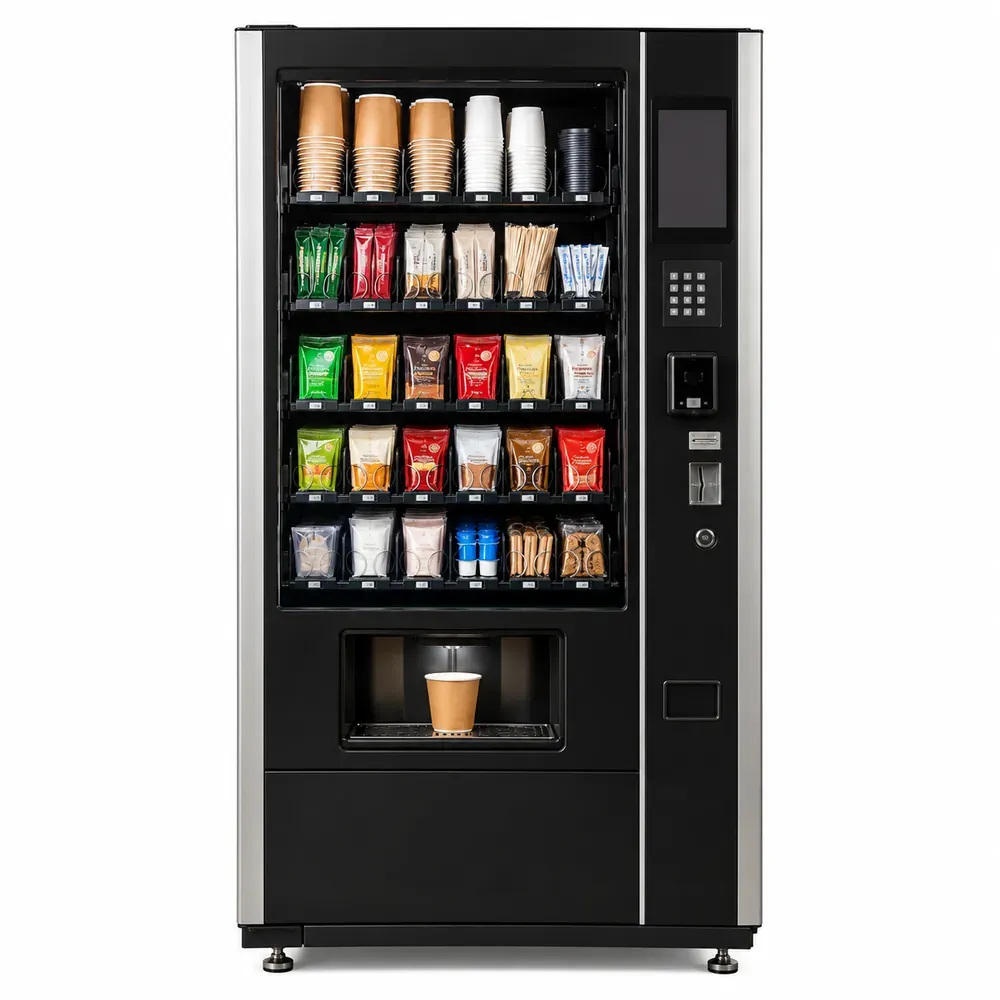
Best for
Places this machine suits
Have a different kind of site? Ask us whether it fits.
Catalogue
50 machine types for every place people gather.
By venue
Machine mixes planned around where they stand.
Beverages
Automated machine serving hot beverages such as tea, coffee, cappuccino and premixes.
Best for
Have a different kind of site? Ask us whether it fits.
What it can stock
The final range is planned with you for each site, with food and drink to be stocked in FSSAI-compliant packaging.
Key points
Specifications
Sizes, capacity and hardware depend on the model and configuration we agree for your site. We share a spec sheet with your quote; the safety certification that applies to this model (such as BIS, where required) is confirmed in your written quote, and you can ask us for the documents.
Smart features
Options vary by model and are confirmed in your quote.
UPI QR, cards and wallets through the payment reader.
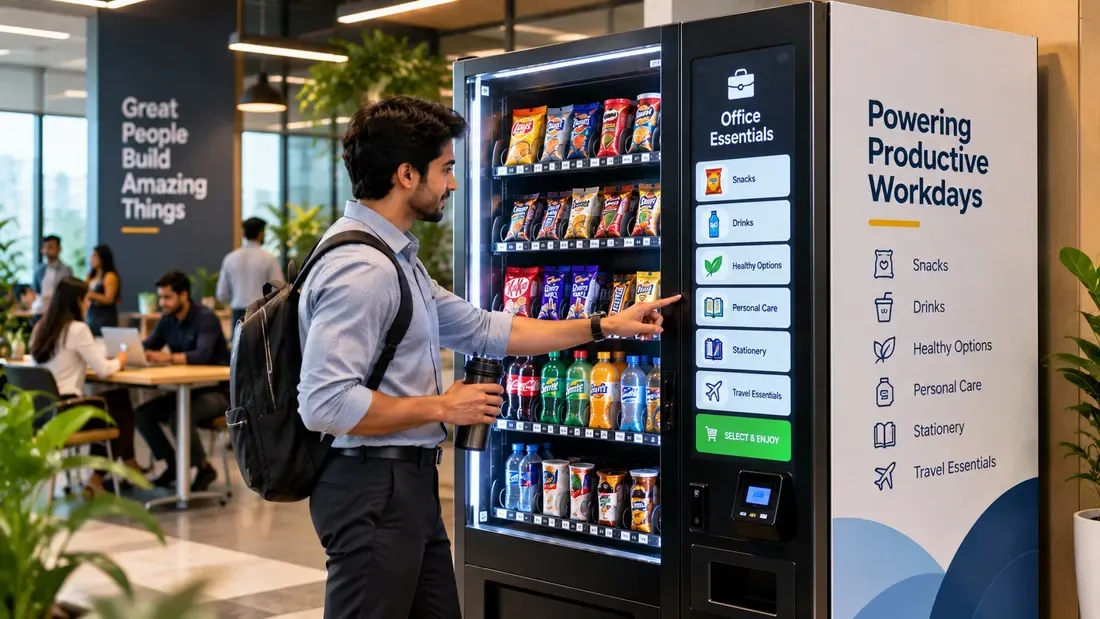
Browse by category and tap to buy, like the machines in our photos.
Stock levels, sales and alerts on a dashboard, so refills are planned.
Chilled, frozen or heated compartments, depending on the model.
Shelf layout and product mix planned around who uses the space.
Signage on the machine body to suit your venue or your brand.
Ways to get it
Pick the model that suits your budget and how hands-on you want to be. Terms are shared with your quote.
For businesses and operators
Own the machine outright and run it your way. We help with configuration, installation and training.
Ask about this option: buy a machineFor offices, campuses and sites
Pay a periodic fee instead of buying upfront, with servicing included as agreed in the contract.
Ask about this option: rent or subscribeFor hosts with space and footfall
We place, stock and maintain the machine; you provide the location. Subject to a site survey.
Ask about this option: we operate itFor entrepreneurs and franchisees
Run machines in your city with our hardware, software and support behind you.
Ask about this option: become a partnerHow we deploy it
Footfall, space, power and who will use it.
Machine model, product mix and payment options.
Delivery, set-up and a test run on site.
Refills planned from remote stock data.
Upkeep and support as per your agreement.
Related machines
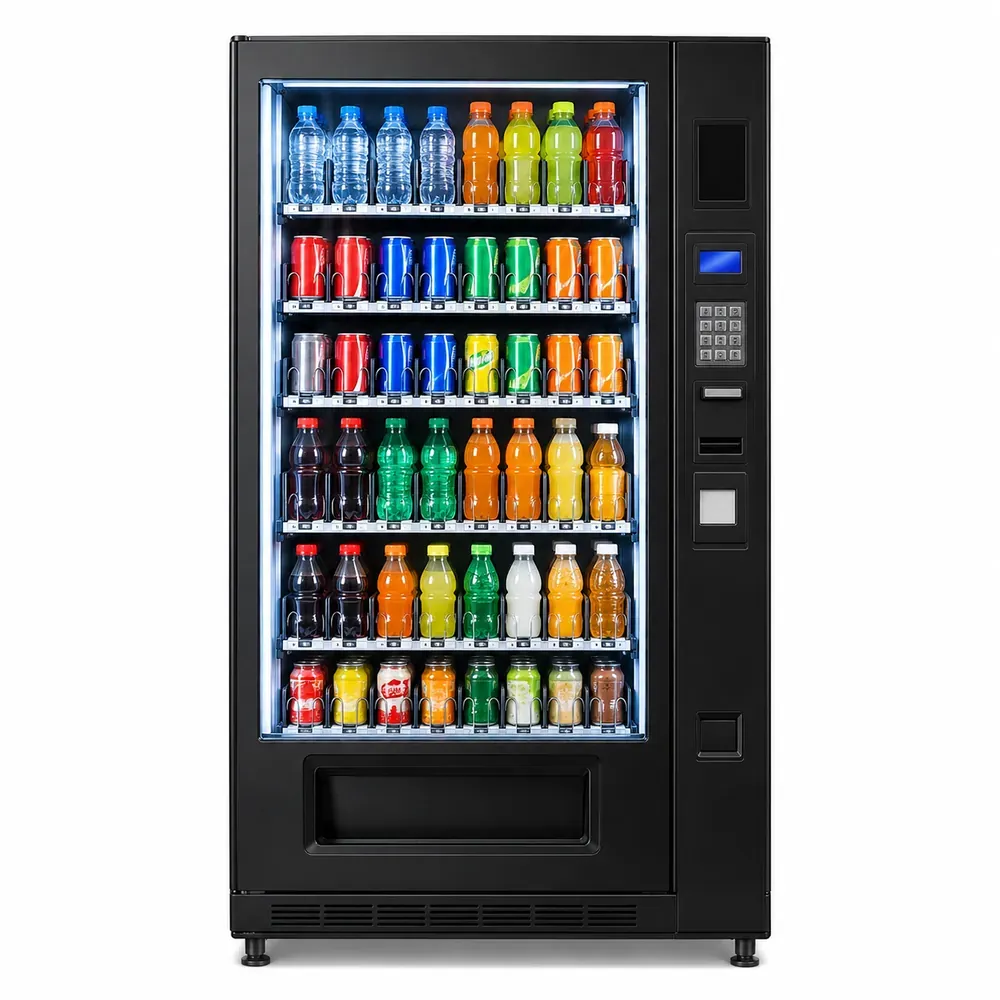
Dispenses chilled soft drinks, juices, energy drinks and water.
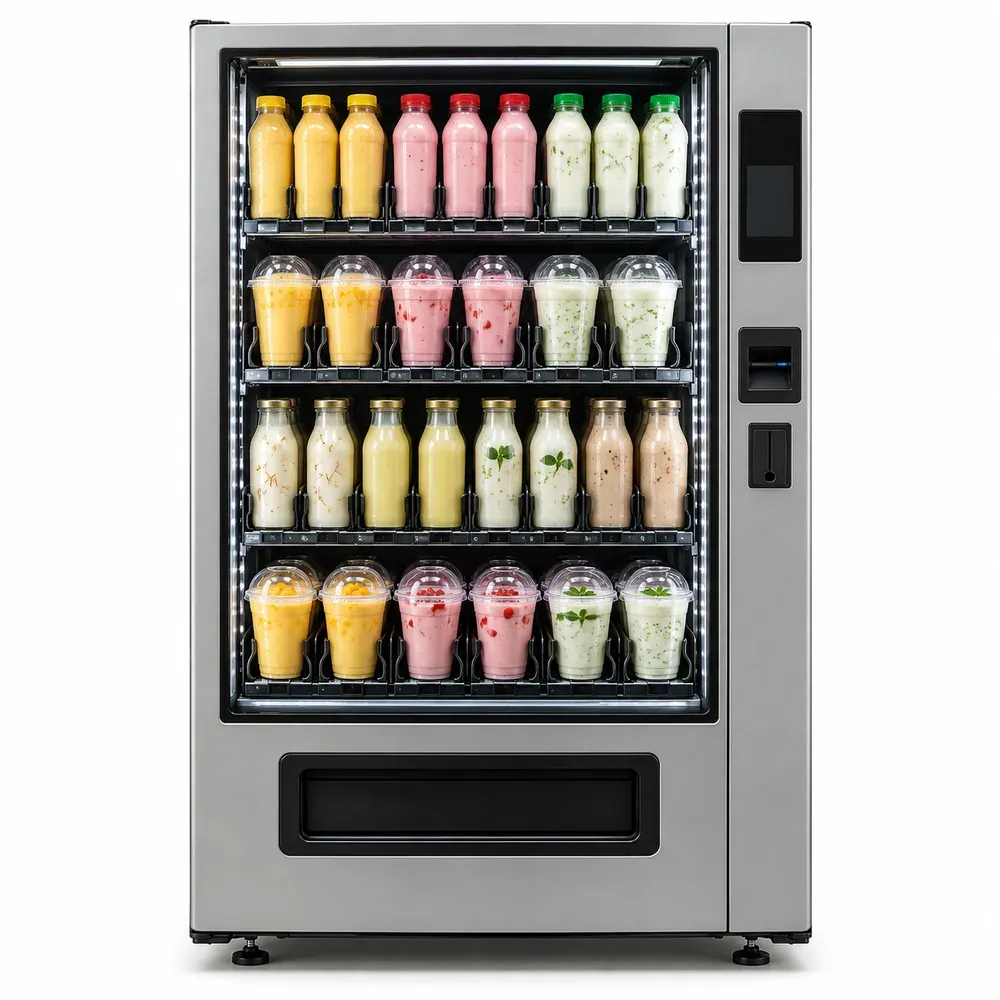
Provides chilled Indian dairy beverages.
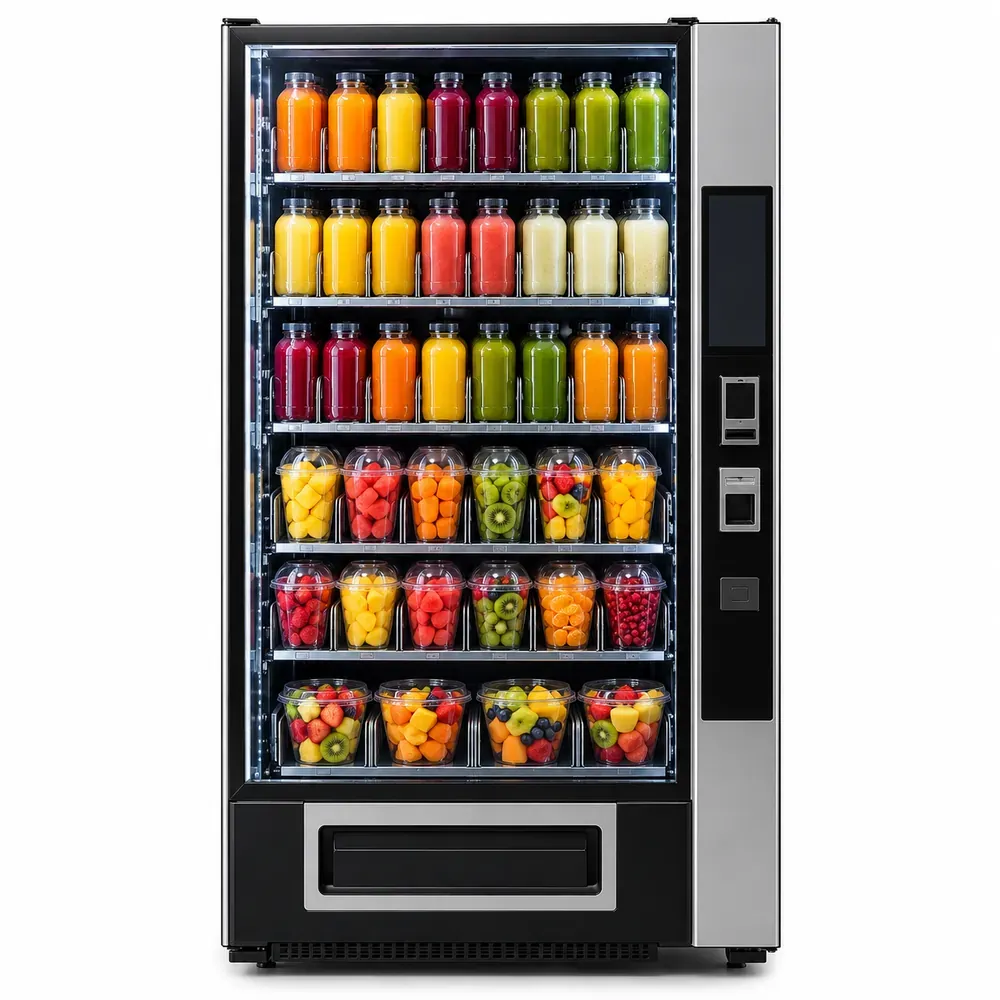
Produces or dispenses fresh fruit juice automatically.
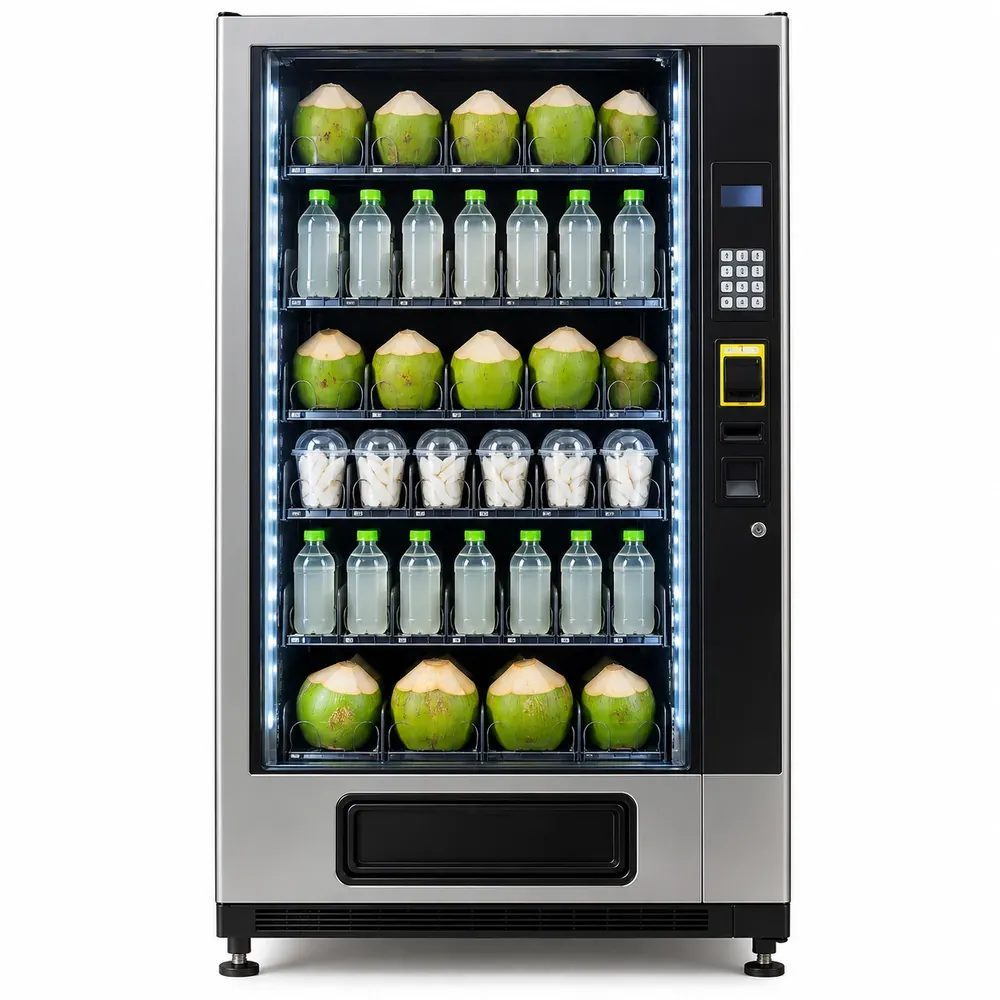
Dispenses packaged or chilled coconut water.
Tell us where it will go and roughly how many people pass by. We reply with configuration options and the engagement model that suits you.
A tea and coffee vending machine is a self-service unit that makes a hot drink at the press of a button. It heats water, mixes it with premix powder and fills a cup, usually in under a minute. For a country where chai and coffee are part of the daily routine, that is a very natural fit.
Most workplaces still depend on a pantry boy, a kettle or a flask. These work, but they bring queues, waiting, spills and uneven taste. A well-chosen hot beverage vending machine gives the same cup every time, at any hour of the shift.
This guide covers how to plan, place, stock and run a tea and coffee vending machine. It focuses on practical choices for offices, factories, colleges and hospitals, and on the questions you should ask before you sign anything.
Inside a tea and coffee vending machine, a water tank or water line feeds a heater. Several canisters hold dry premix such as tea, coffee, milk and sugar. When a user picks a drink, the machine drops a measured amount of powder into a mixing bowl, adds hot water and pours the drink into a cup.
Smart features on a tea and coffee vending machine, such as remote stock alerts, sales reports and menu changes from a phone are optional and depend on the model. Ask us which of these your shortlisted machine supports.
Knowing the parts of a tea and coffee vending machine helps you ask better questions and plan upkeep.
The menu is where a tea and coffee vending machine wins or loses users. People in India usually want a strong, sweet, milky cup, so a plain coffee-only menu rarely works well.
| Drink | Typical use | Notes |
|---|---|---|
| Masala chai | Daily favourite for most users | Popular in offices and factories |
| Regular tea | Everyday cup | Often the highest-volume item |
| Milk coffee | Morning and afternoon | Needs a milk powder canister |
| Black coffee | Health-focused users | Simple and fast |
| Cappuccino | Premium option | Needs a good whipper |
| Hot milk or chocolate | Students and visitors | Model dependent |
Many users like to choose sweet, less sweet or no sugar. Look for a model with a sugar selection, or with a separate sugar canister, so that diabetic users and diet-conscious users are not forced to drink sweet tea. Also check which cup sizes a model supports. A small cup suits a quick sip, while a larger one is better for a long shift.
A machine with eight drinks may look impressive, but each drink needs a canister that you must refill and keep fresh. Start with the drinks your people already order from the pantry. Watch sales for a few weeks and then add or drop items. An instant tea dispenser that serves two or three well-made drinks often beats a crowded menu.
A hot beverage vending machine handles food, so hygiene matters. Premix powders, milk powder and sugar should be stocked in FSSAI-compliant packaging, and you should keep the supplier’s batch and best-before details on file. The Food Safety and Standards Authority of India website explains the current rules for packaged food and food businesses.
Who holds any food licence depends on the engagement model. Agree on this in writing before you start, and ask us how it works for your site. Never assume that the machine supplier or the host site automatically holds it.
Water is the main ingredient in every cup. Use clean, filtered drinking water and change filters on schedule. Hard or dirty water leaves scale on the heater and makes tea taste flat. If your site has poor water, plan a small filter before the machine.
Not all premixes behave the same. Some foam too much, some leave residue and some clog the canister. Test two or three premix brands in the machine before you commit to bulk stock. Pick the one that tastes right and flows without lumps.
Placement decides how many cups your tea and coffee vending machine sells. A machine tucked into a dark corner gets ignored. A machine near a busy walkway gets used all day.
Good locations usually have:
In offices, the pantry, the reception lounge and the floor lobby all work well. Our office vending solutions page explains how an office coffee machine fits into corporate floors, including pantry layouts and tenant approvals.
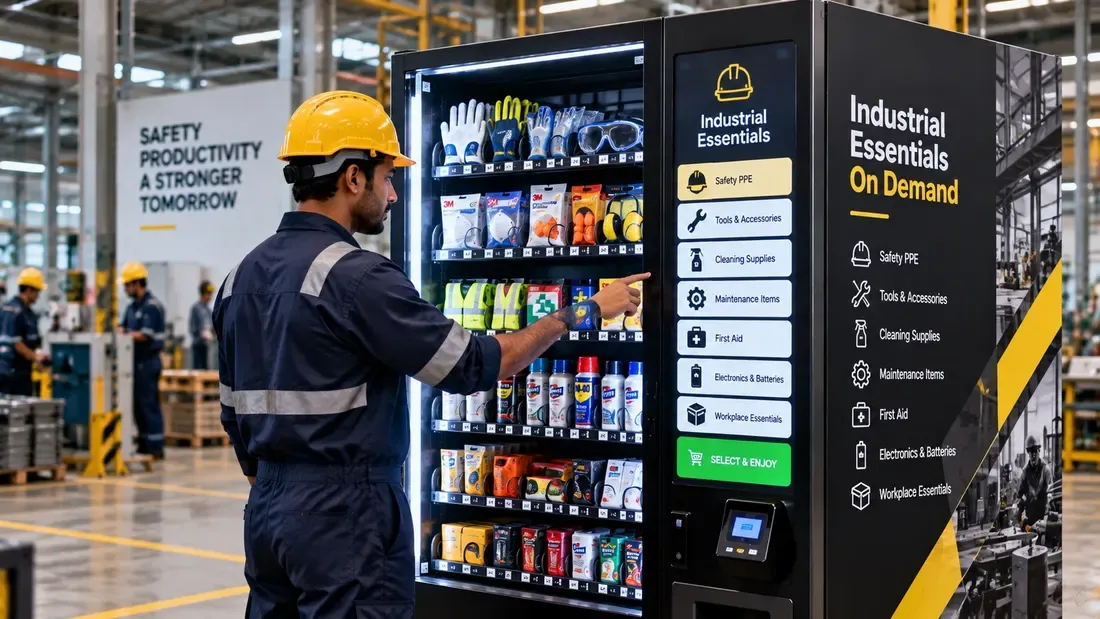
In plants and warehouses, place the machine near the shift entry or the canteen, away from oil, dust and heavy vehicles. See our industrial vending solutions for ideas that suit shop floors and factory gates.
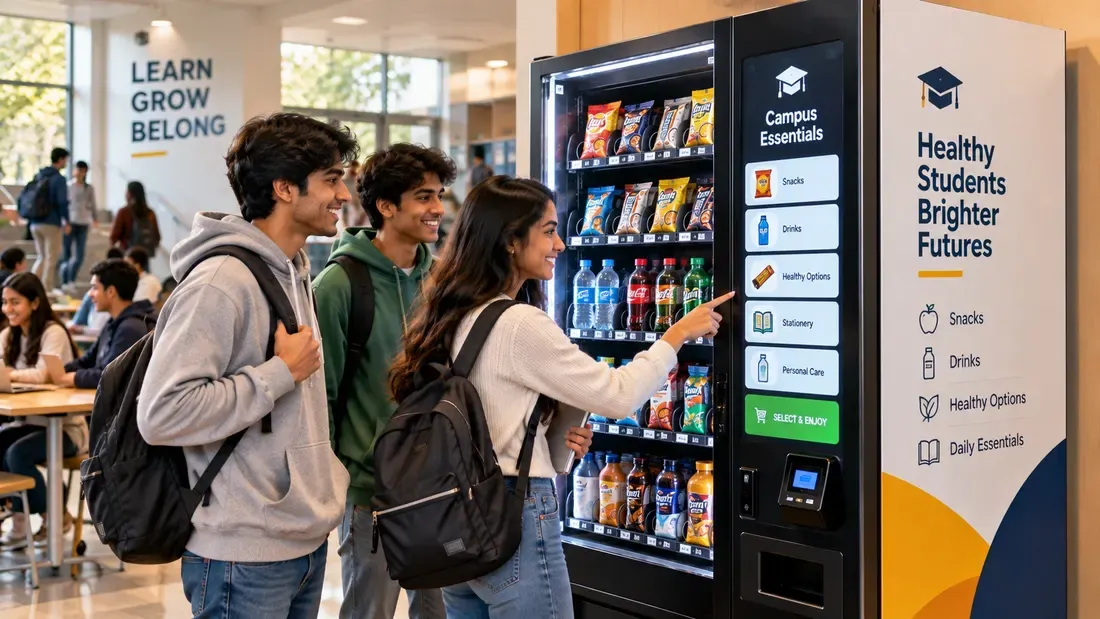
On campuses, near the library, the hostel entrance and the main corridor give steady traffic. Our campus vending solutions page covers student areas and administrative approvals.
In hospitals, waiting areas and night duty corridors suit a hot drink machine. Our hospital vending solutions page covers visitor zones and hygiene points.
Walk the spot at different times of the day. Check the floor level and the weight of the loaded machine. Confirm that the power supply is stable, since heaters draw a fair amount of current. If you want UPI payments and remote alerts, confirm that a mobile network or Wi-Fi signal reaches the spot.
Keep the machine away from direct sun, steam and open drains. Leave a gap behind and beside the unit for air flow and for service access.
A tea and coffee vending machine comes in a few broad formats. The right one depends on cups per day, space and budget.
Ask us for the dimensions, weight, power needs and water needs of each model you consider. Do not guess the cups per hour of any tea and coffee vending machine, since it depends on the boiler size and the menu. Share your peak rush, such as a shift change, and ask which model copes with it.
Most Indian users of a tea and coffee vending machine now expect to pay by UPI. A QR code payment is quick, needs no change and works with most bank apps. UPI is run by the National Payments Corporation of India and is widely used for small payments like a single cup of chai.
Some sites also like free vending for staff, using tokens, cards or a code, with the cost handled by the company. Which payment and access options are available is model dependent, so confirm them in your written quote.
A failed payment or a half-poured cup will happen now and then. Plan for it from day one.
Quick, fair refunds build trust. People return to a machine they believe will treat them fairly.
A tea and coffee vending machine is only as good as its upkeep. Empty canisters, a missing cup or a sticky delivery window push users back to the pantry kettle.
Set a written routine and stick to it. A simple plan might look like this:
Milk powder and sugar leave sticky residue, and hot water leaves scale. Plan a deeper clean of the canisters, mixing parts and tubes on a fixed schedule, and descale the boiler as the manual advises. A tea and coffee vending machine that is cleaned on time makes better tea and has fewer breakdowns.
Sugar and milk powder attract ants and cockroaches. Keep the area around the machine clean, store spare stock in sealed containers and avoid placing the machine near drains or garbage points. In humid months, check that powders are not clumping inside the canisters.
Hot water and electricity need care in any tea and coffee vending machine. Any BIS or other safety certification for the machine will be confirmed in your written quote. You can read about Indian product standards on the Bureau of Indian Standards website. Use an earthed power point, keep cables off the floor and train staff to switch off the machine before opening any panel.
A machine is not the only way to serve hot drinks. Here is how it compares with common options.
For many sites, the best answer is a mix. The tea and coffee vending machine covers odd hours and quick breaks, while the canteen still serves meals and special orders.
If your people mostly want cold drinks, a cold beverage vending machine may suit better. If they want a hot snack with the drink, look at our hot meal vending machine page. You can also browse all vending machine types to compare sizes and formats.
There are different ways to bring a tea and coffee vending machine to your site. The right one depends on your budget, the effort you want to put in and how many cups you expect per day.
If you are thinking about running machines as a business, our vending machine partner page explains how to start that conversation. Not sure which machine fits your site? Use the vending machine finder to narrow your choices in a few steps.
A few simple errors cause most of the problems we hear about with a new tea and coffee vending machine.
Use this short list before you request a quote:
Ready to plan a tea and coffee vending machine for your office, plant, campus or hospital? Share your site details, expected daily users and preferred menu, and we will help you choose a suitable model. Request a free tea and coffee vending machine quote, and compare the options that fit your site.
Most machines serve masala chai, plain tea, regular coffee, black coffee and often a cappuccino or hot milk option. Some also offer hot chocolate or soup premix. The exact menu depends on how many canisters the model has, so ask us for the canister count before you shortlist.
Most Indian hot beverage machines use instant premix powders mixed with hot water. Some models can work with fresh milk, but that needs a chilled milk unit and stricter cleaning. Fresh milk support is model dependent, so check it before you decide.
The mixing bowl, whipper and drain tray need a wipe or rinse every day, because milk powder builds up quickly. Canisters and the water tank need a deeper clean on a fixed schedule. Follow the maker's manual and write the routine down for whoever refills the machine.
Many compact models have an internal water tank that someone refills by hand, so no plumbing is needed. Larger models usually connect to a water line and a drain. Which option suits you depends on the site and the expected cups per day.
It can be, if staff and visitors drink several cups a day and you want to avoid the tea boy, kettle and cleaning chores. A tabletop unit is often enough for a small team. Count your daily cups first, then ask us to match a machine to that number.