
Beverages
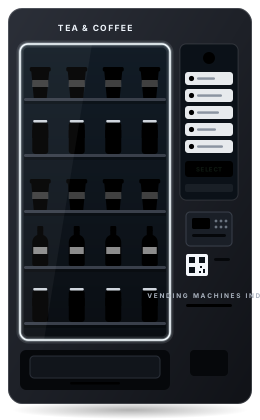
Tea & Coffee Vending Machine
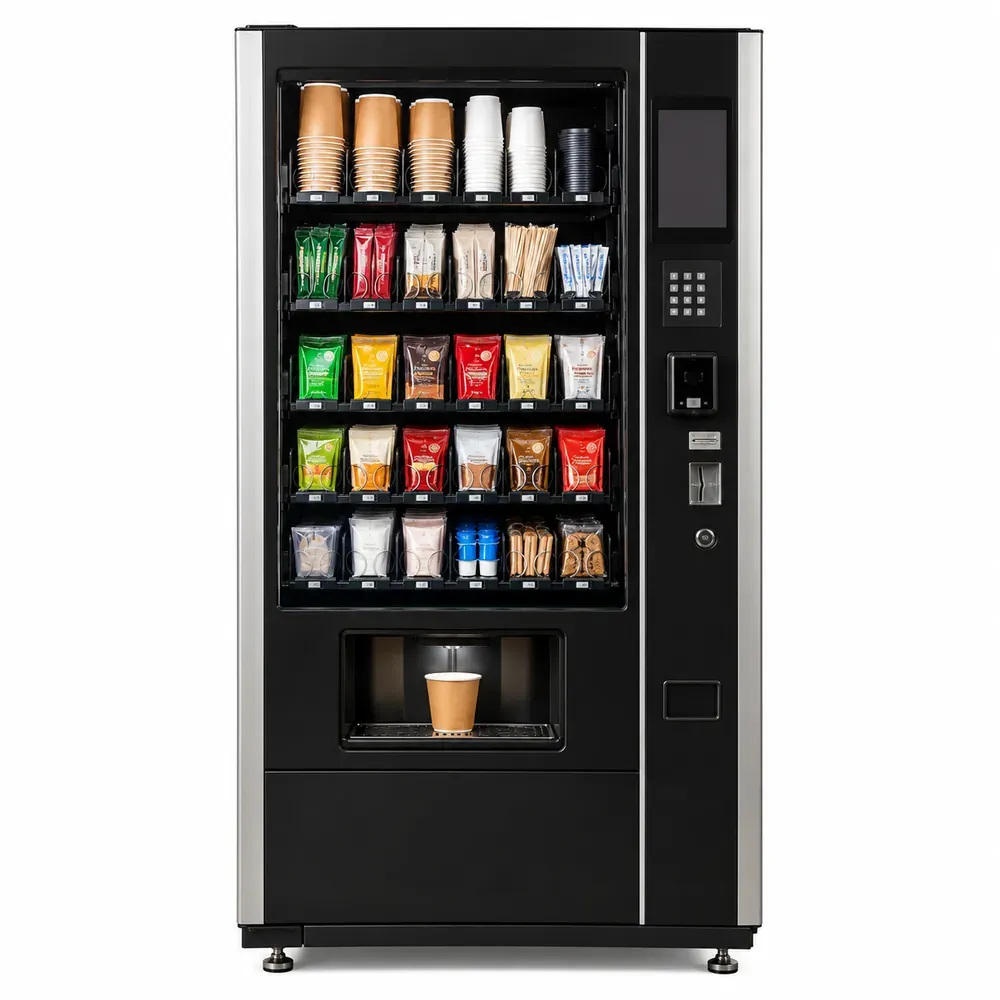
Automated machine serving hot beverages such as tea, coffee, cappuccino and premixes.
- Offices
- Factories
- Colleges
- +1 more
Catalogue
50 machine types for every place people gather.
By venue
Machine mixes planned around where they stand.
Machine catalogue
50 machine types across 11 categories, from tea and coffee to PPE and a 24x7 smart store. Filter by what you want to sell or where the machine will stand.
Showing 50 of 50 machines
Tea, coffee, cold drinks, juices, lassi and coconut water.
5 machines
Automated machine serving hot beverages such as tea, coffee, cappuccino and premixes.
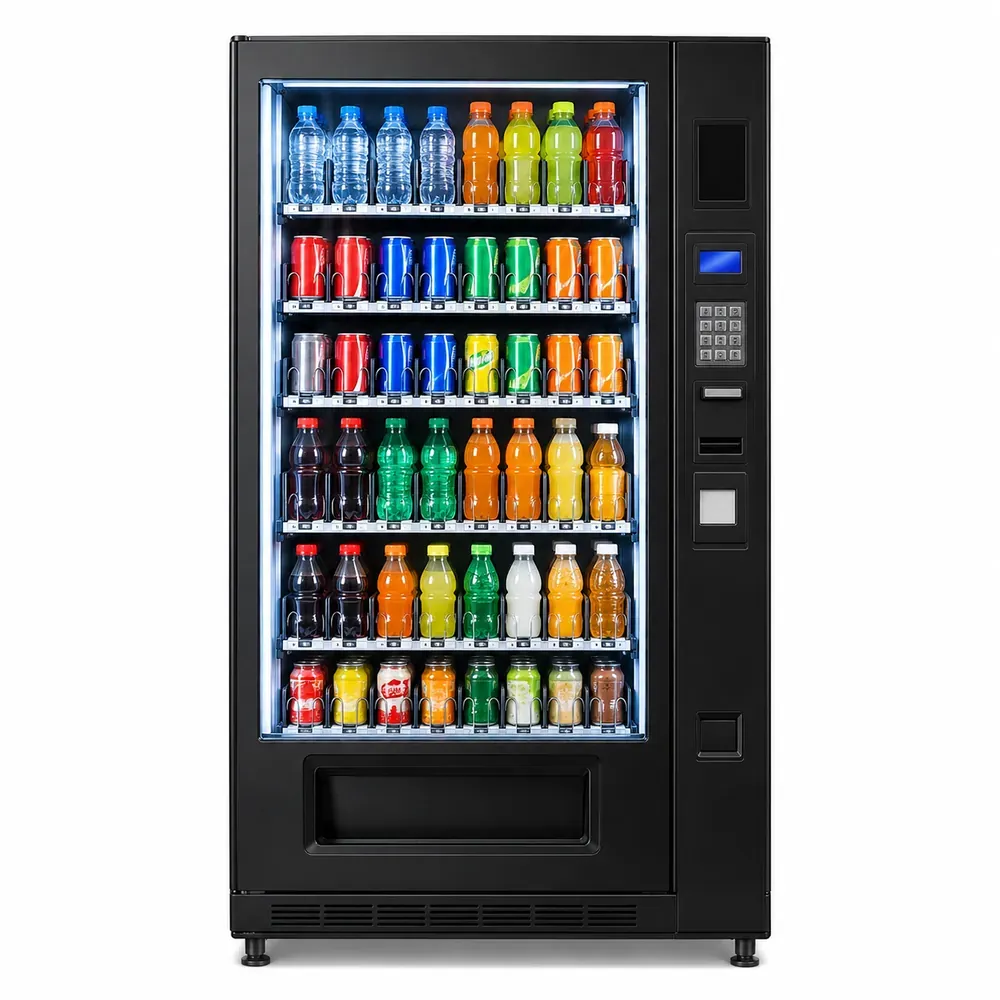
Dispenses chilled soft drinks, juices, energy drinks and water.
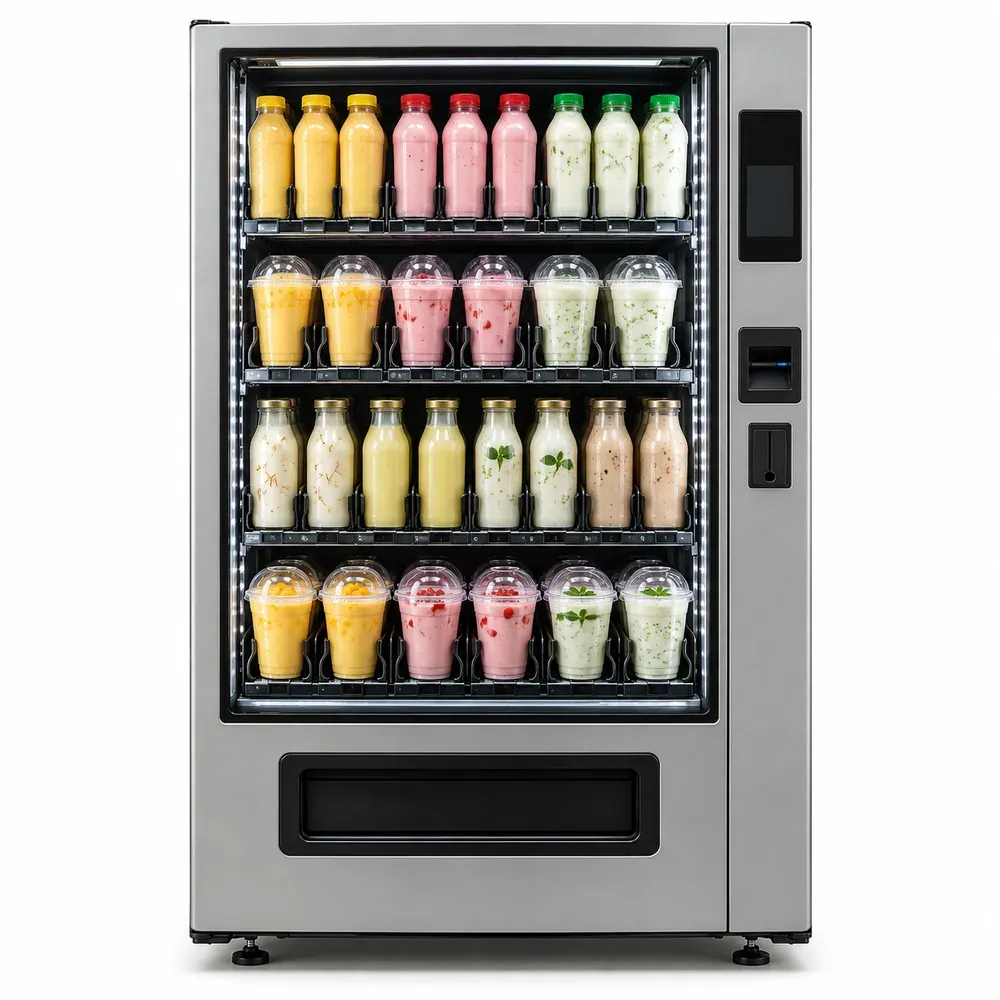
Provides chilled Indian dairy beverages.
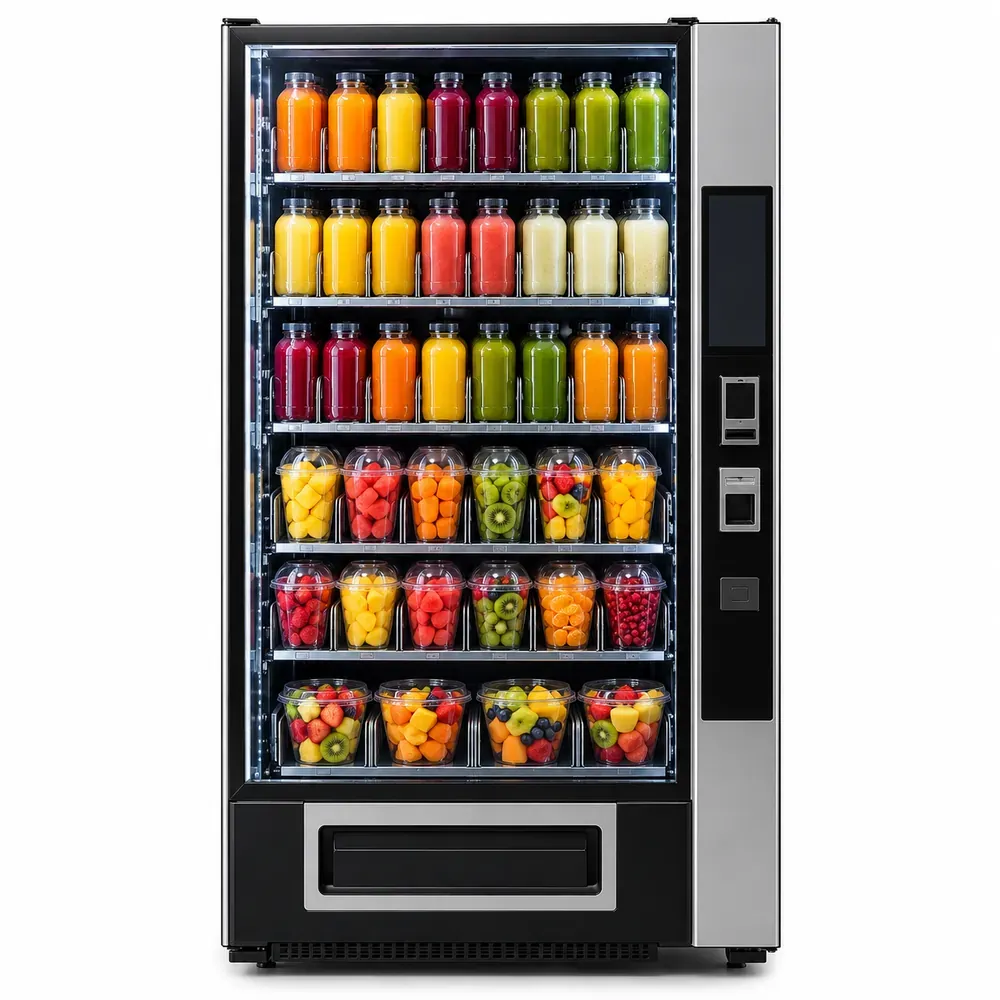
Produces or dispenses fresh fruit juice automatically.
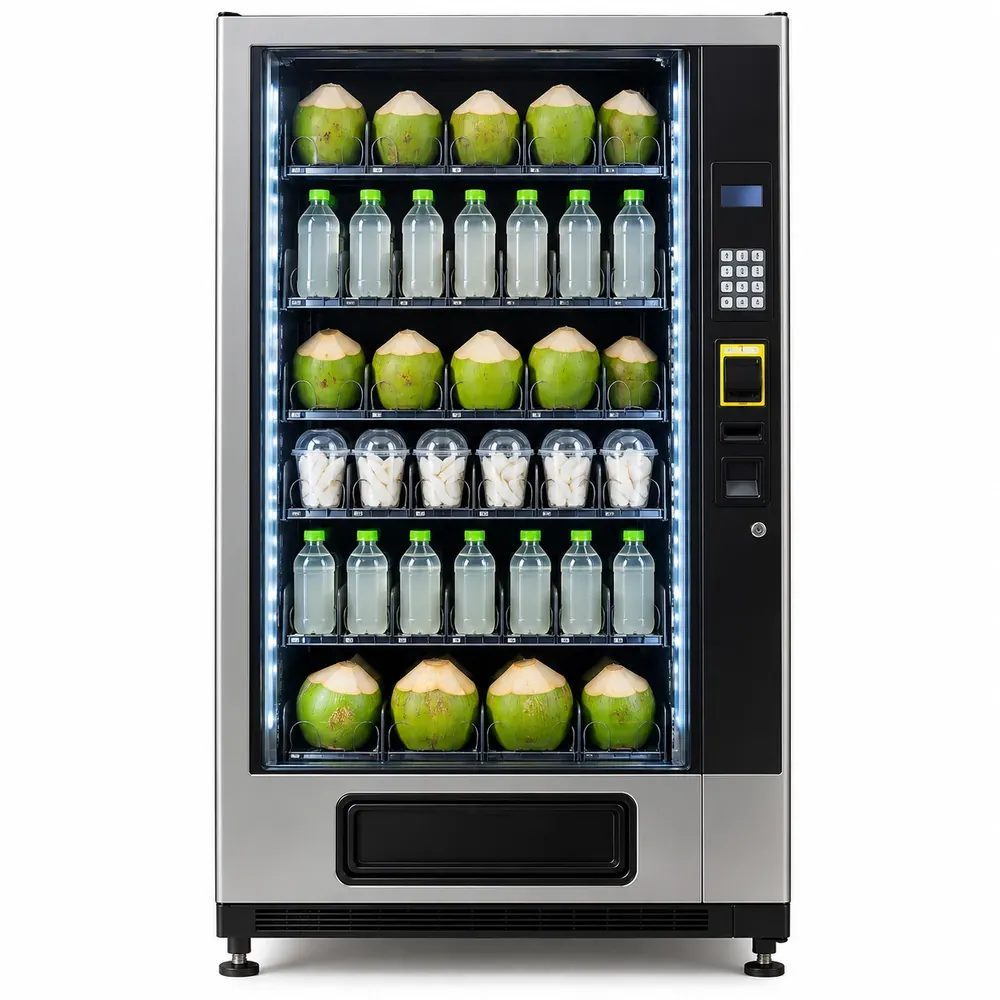
Dispenses packaged or chilled coconut water.
Packaged snacks, combos, bakery, popcorn and confectionery.
5 machines
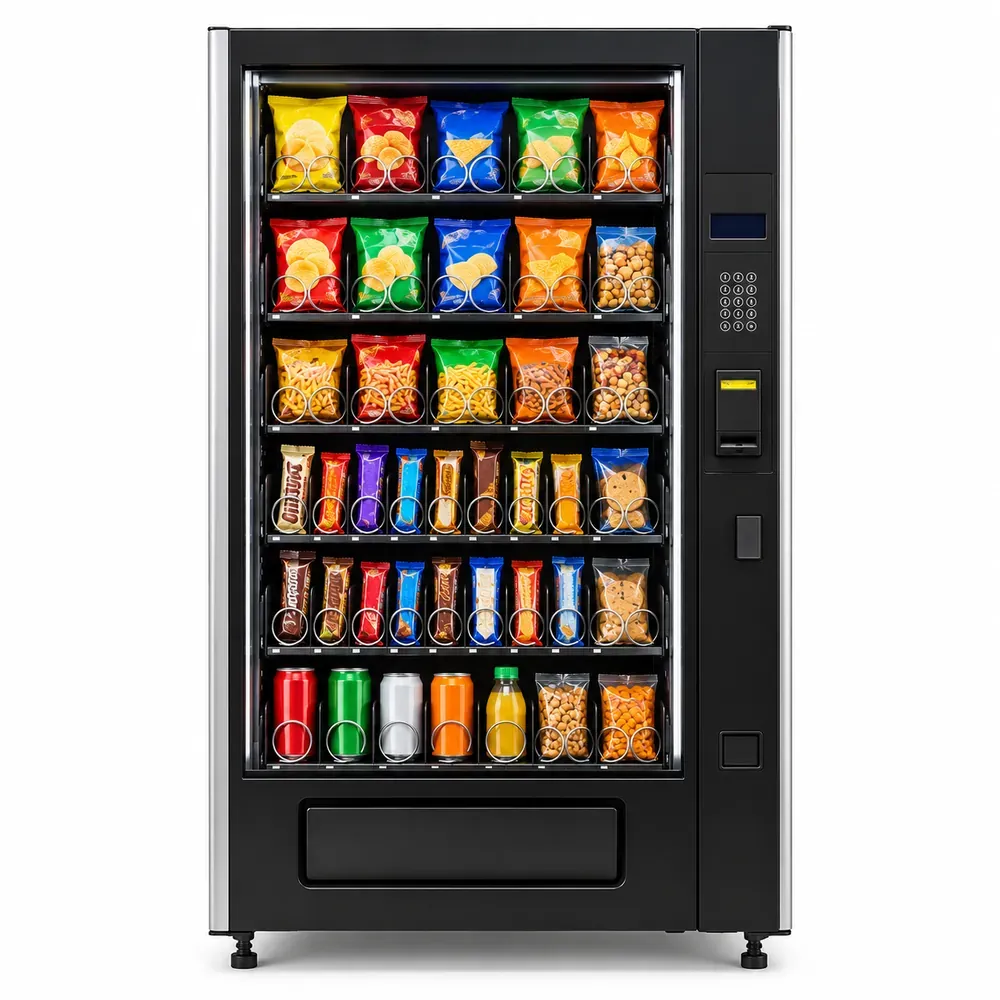
Sells packaged snacks such as chips, biscuits, chocolates and namkeen.
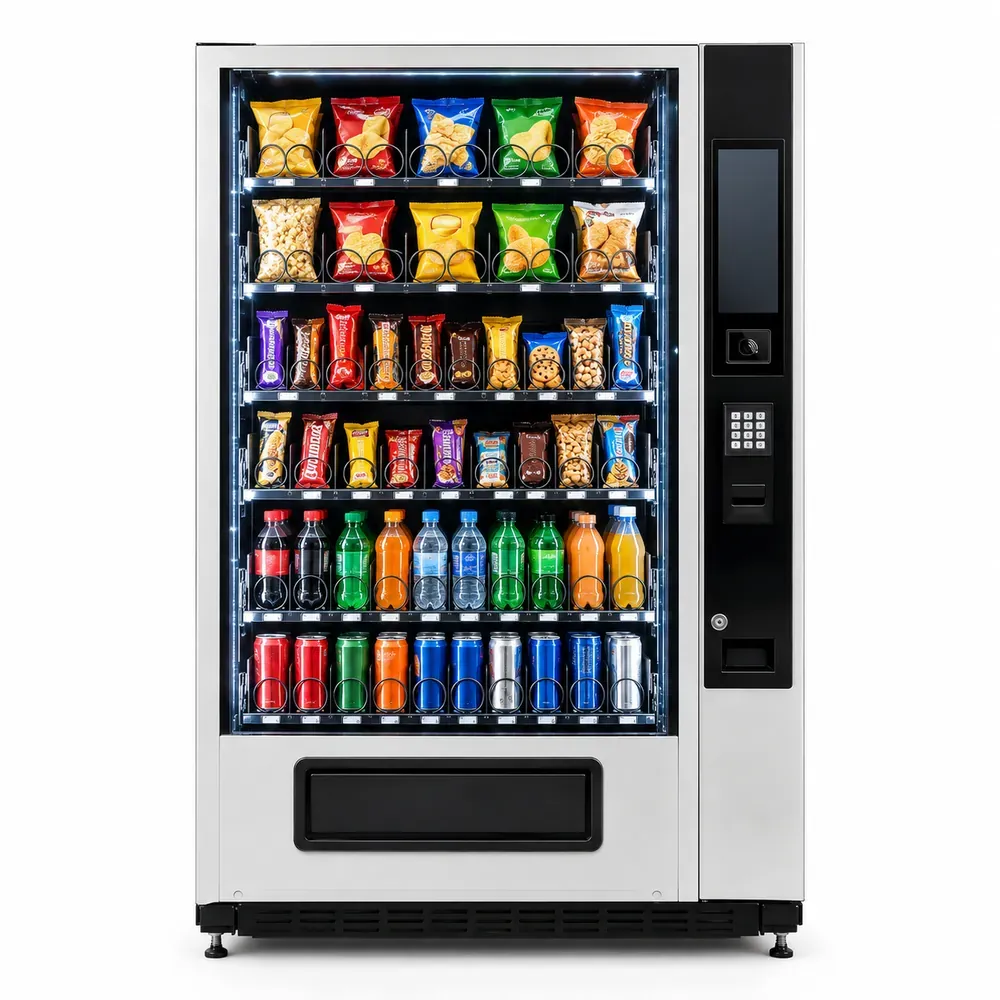
Combines snacks and beverages in a single automated retail unit.
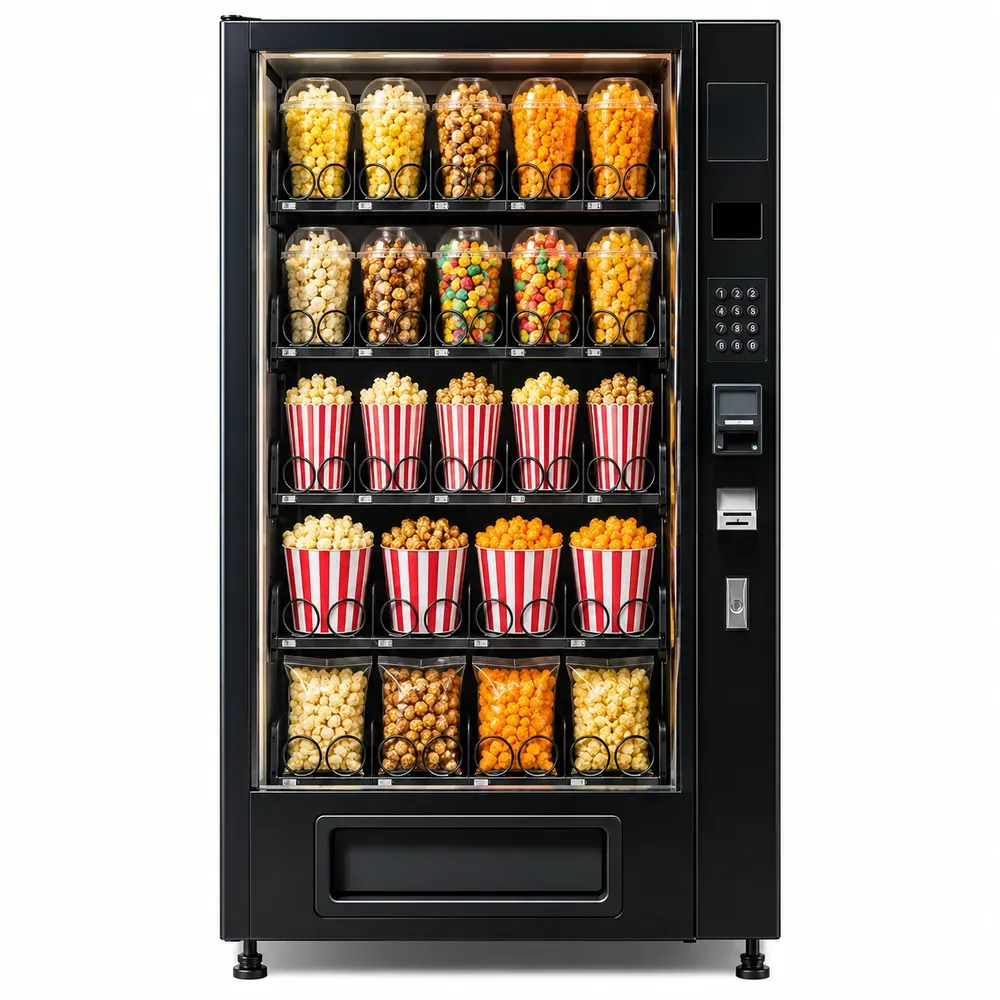
Produces or dispenses fresh popcorn automatically.
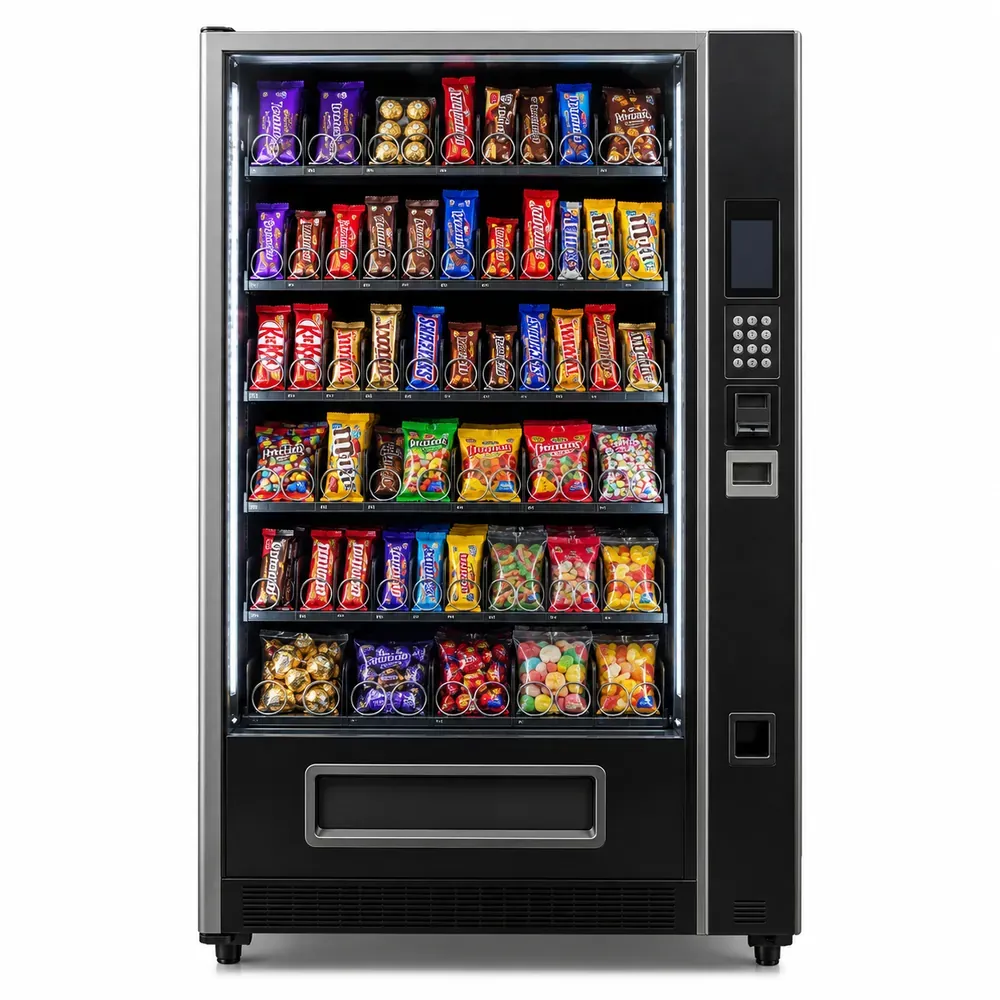
Small-format machine dedicated to confectionery.
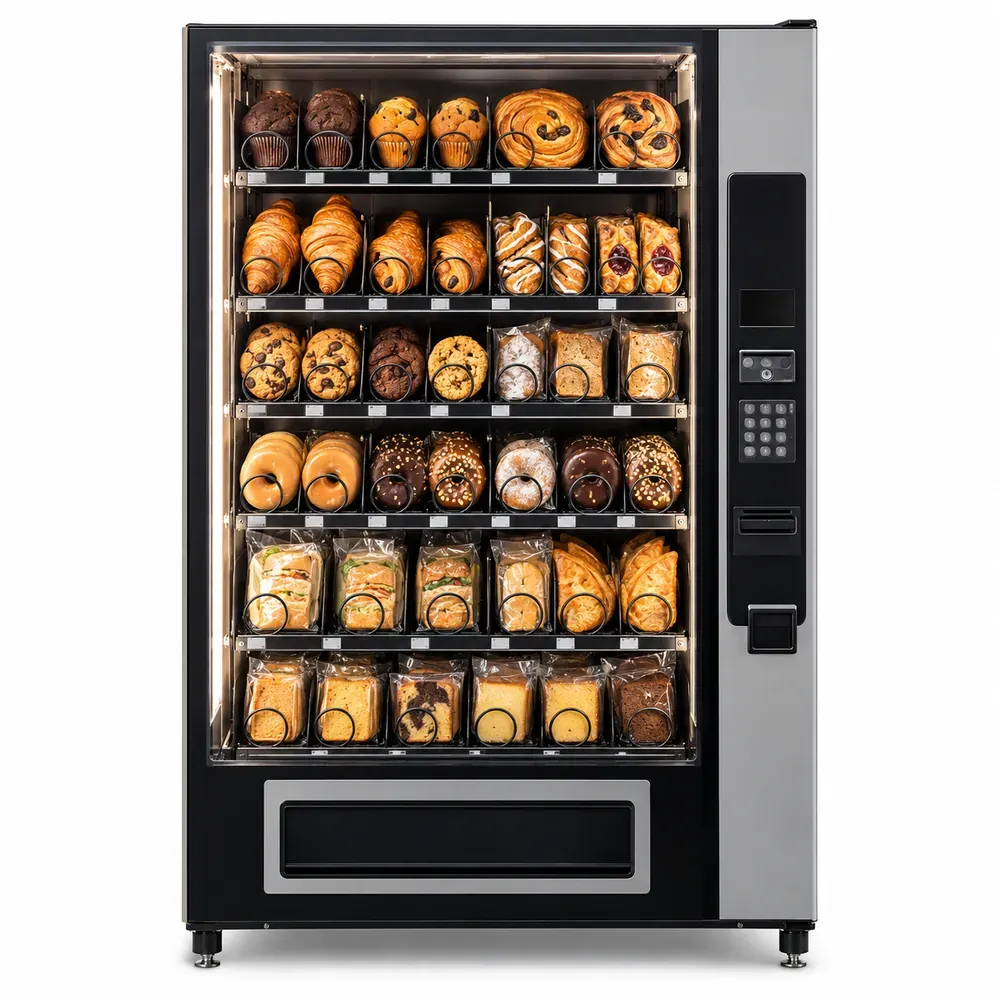
Sells packaged bakery products such as cakes, croissants and muffins.
Fresh food, breakfast, Indian meals, sandwiches, pizza and noodles.
8 machines
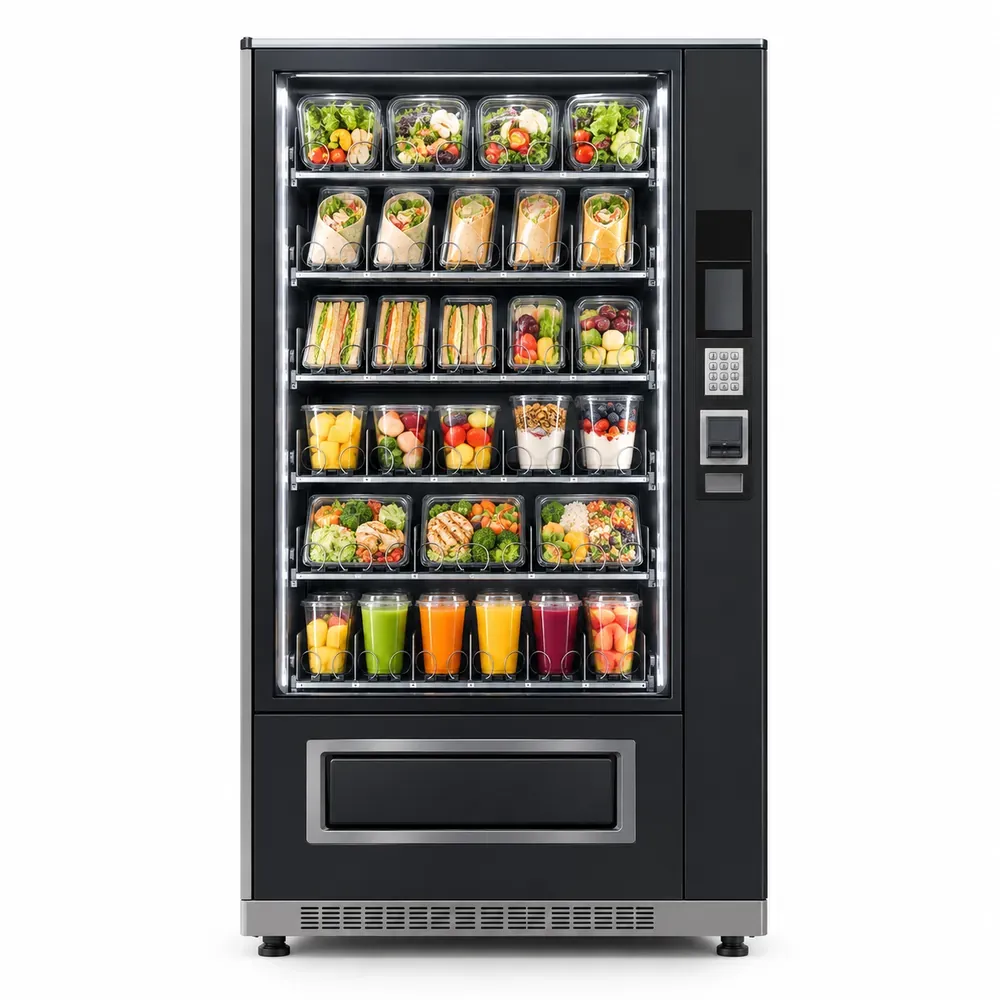
Refrigerated machine selling ready-to-eat meals, sandwiches, salads and wraps.
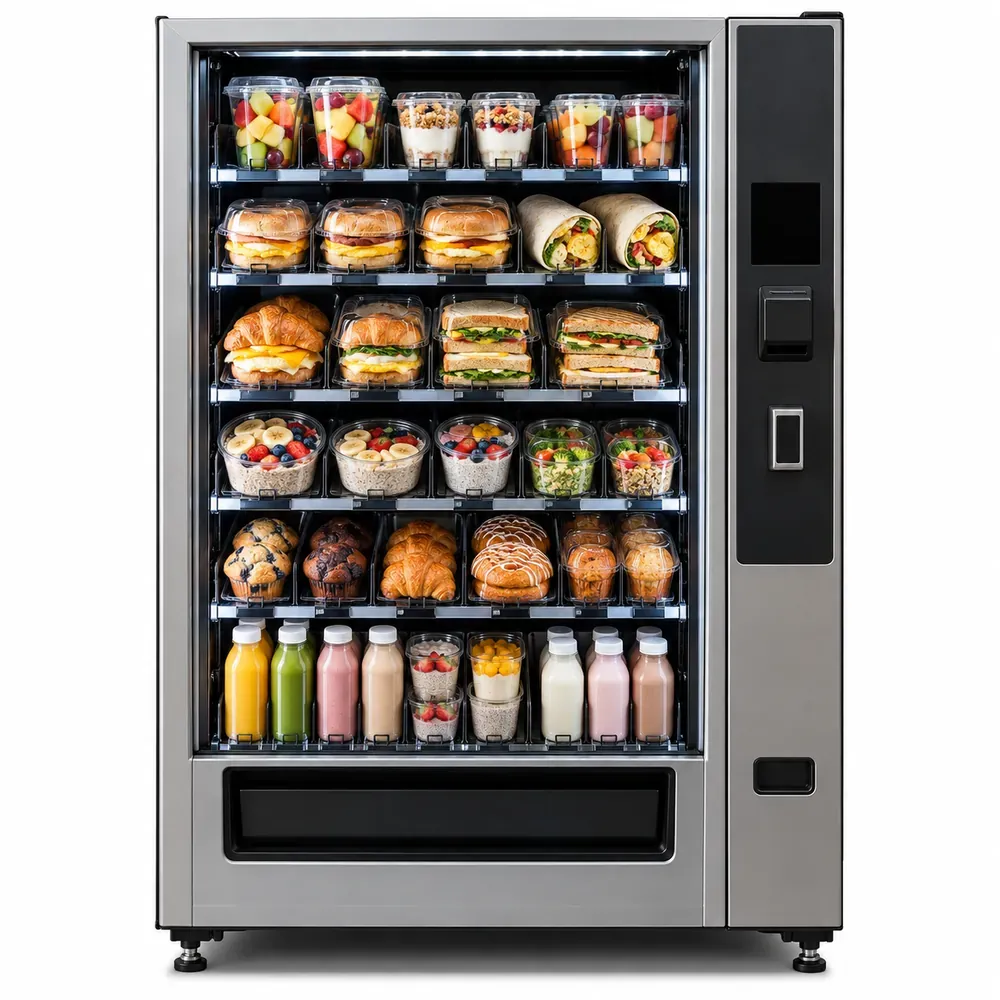
Offers ready-to-eat breakfast items such as poha, upma, idli and sandwiches.
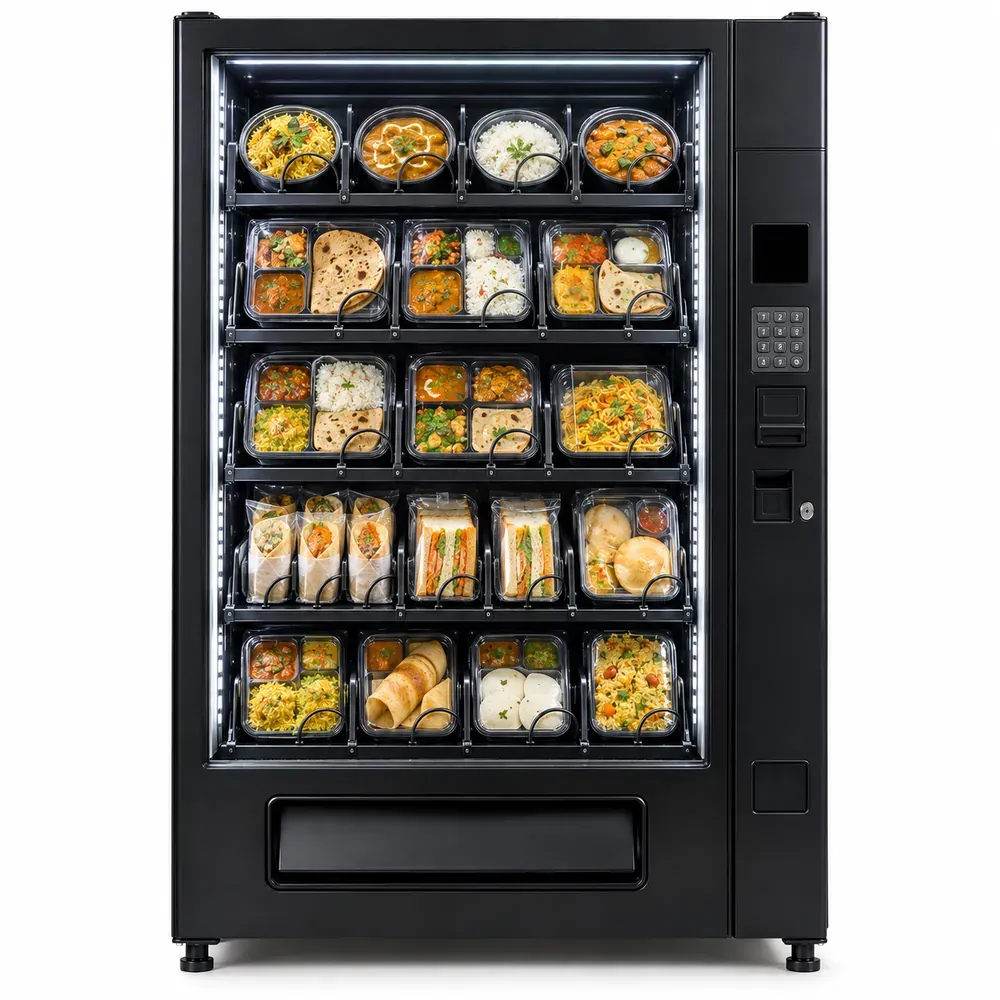
Dispenses packaged Indian meals such as dal-rice, rajma, biryani and thali meals.
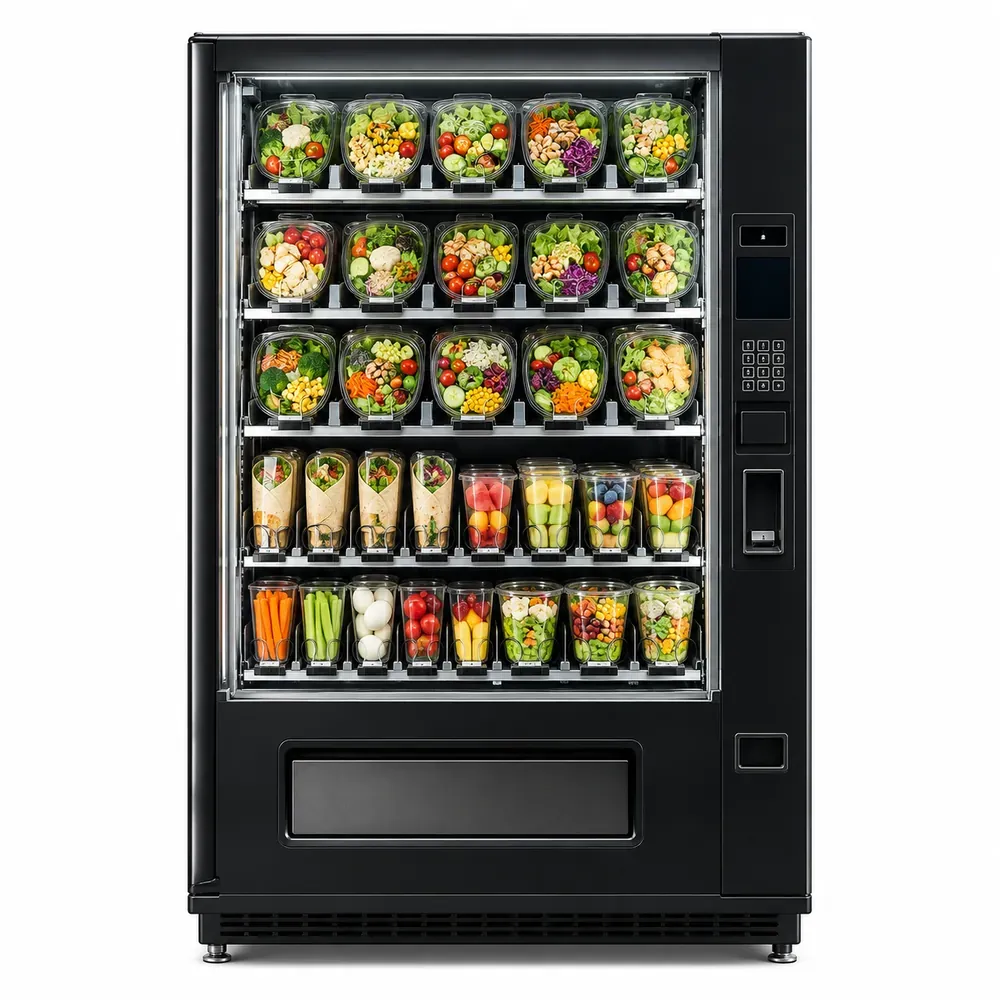
Provides ready-to-eat salads in refrigerated compartments.
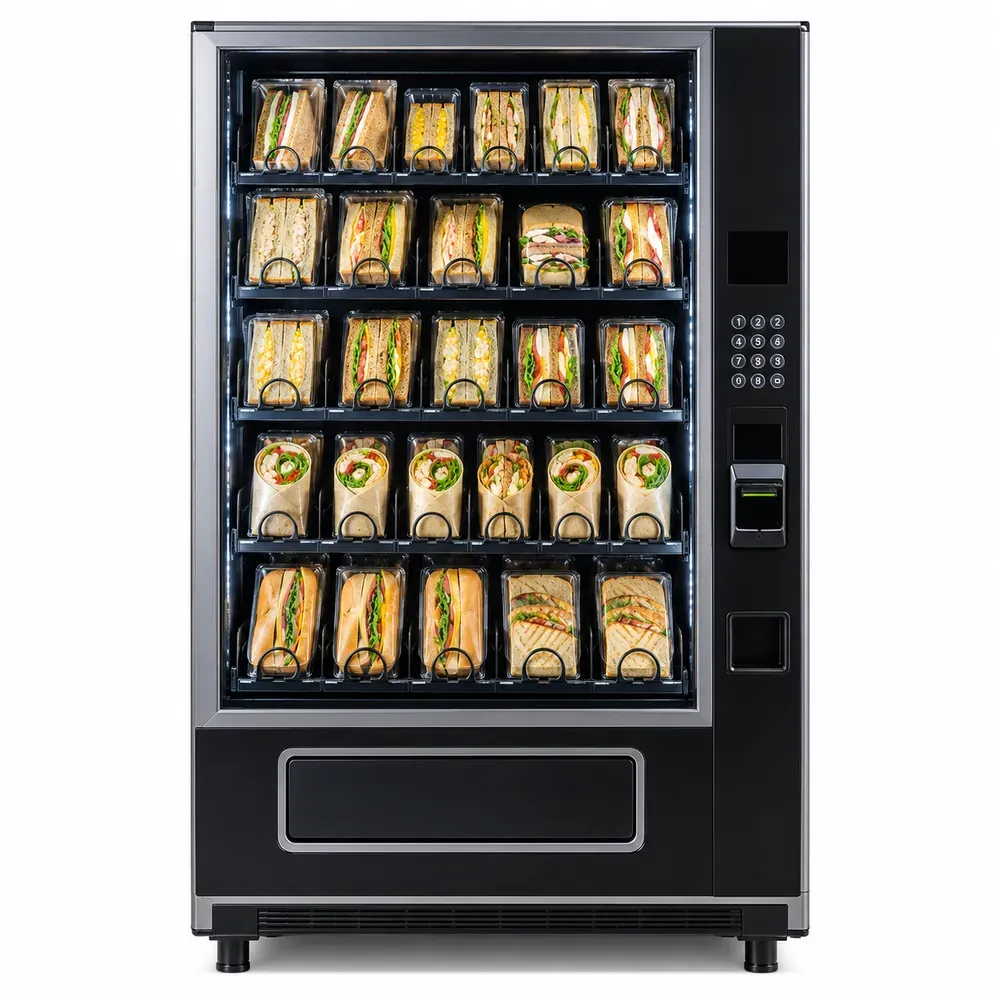
Refrigerated machine selling sandwiches, wraps and rolls.
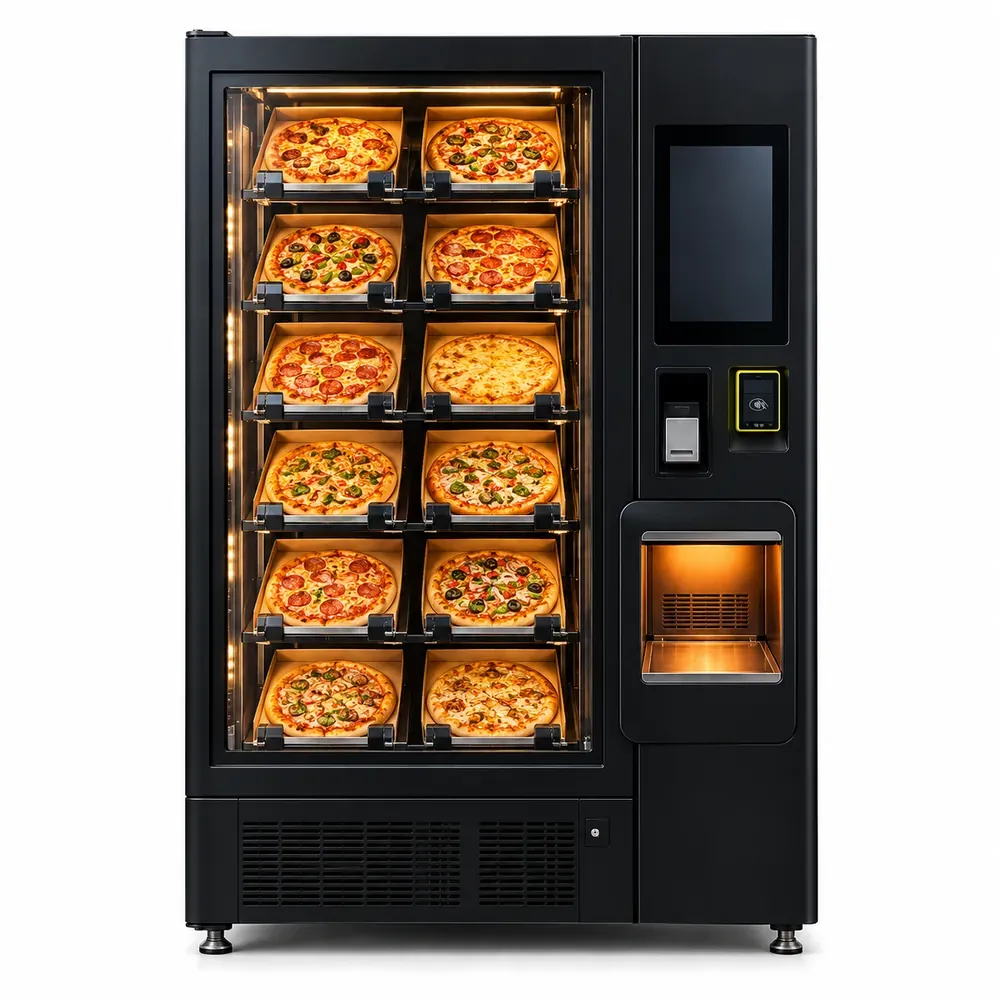
Automated machine that prepares/heats and dispenses pizza.
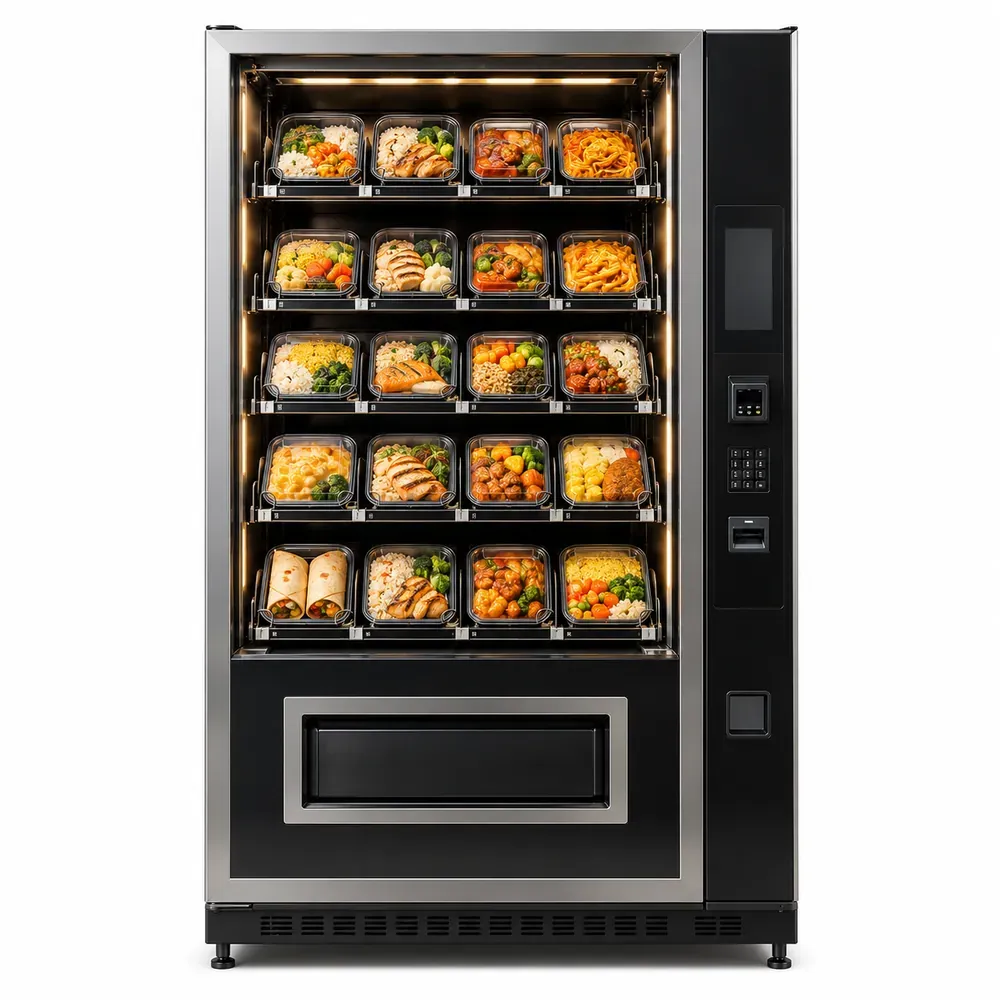
Heats and serves pre-packed meals automatically.
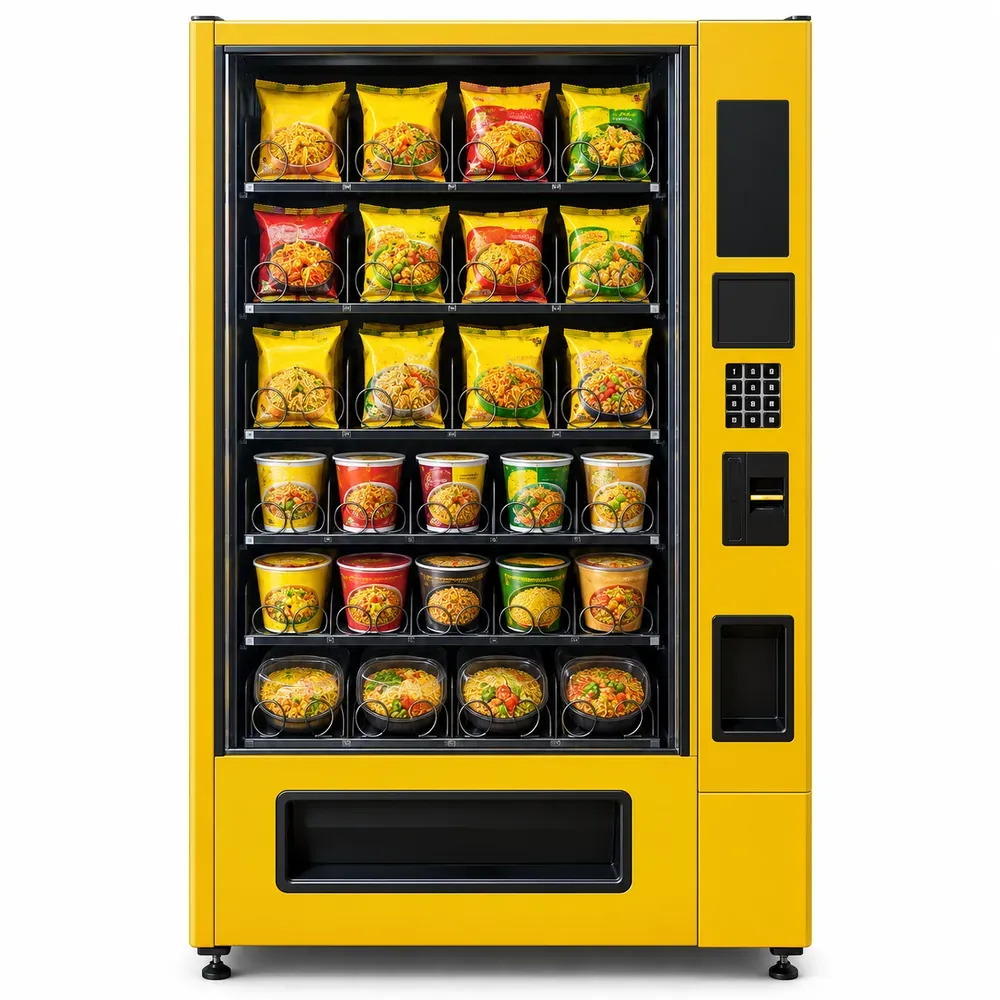
Automatically prepares hot instant noodles or similar meals.
Protein, shakes, fruit, eggs and healthier food choices.
5 machines
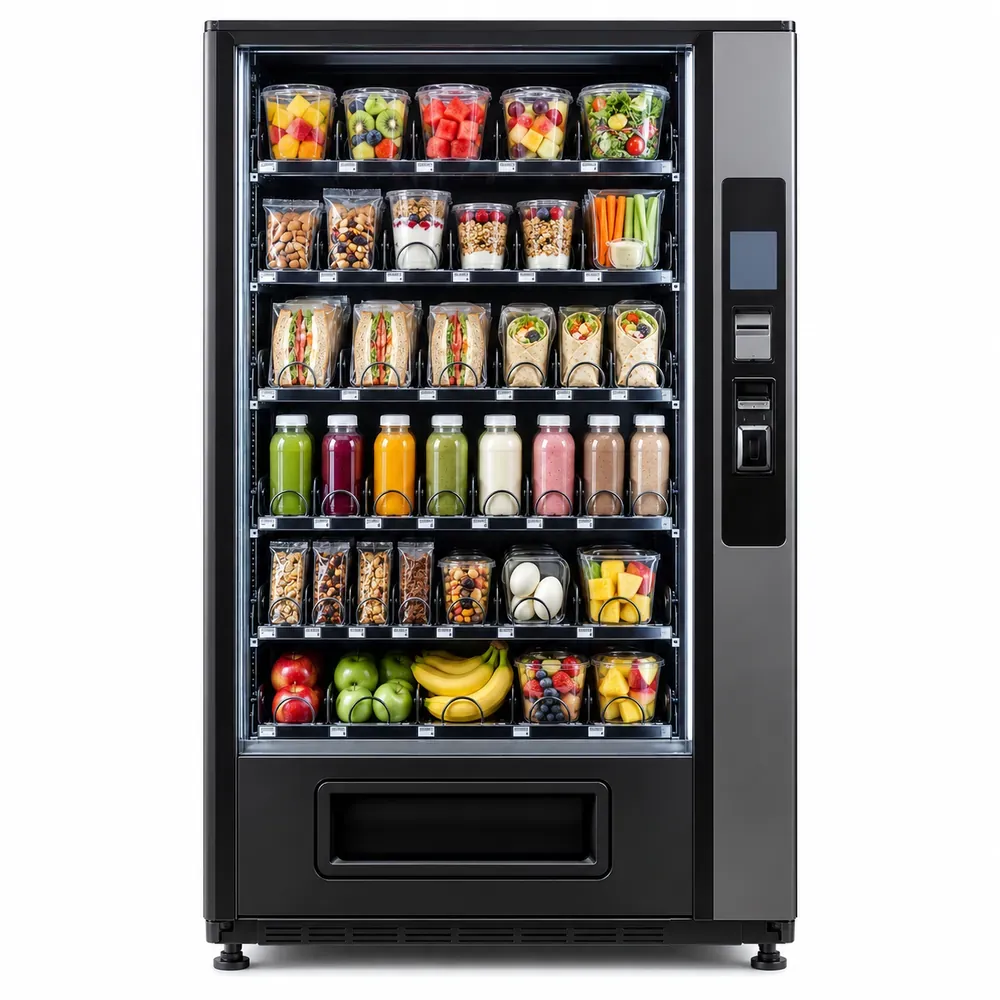
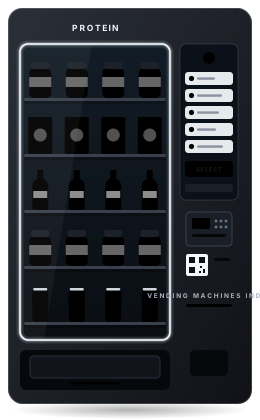
Focuses on nutritious snacks and beverages.
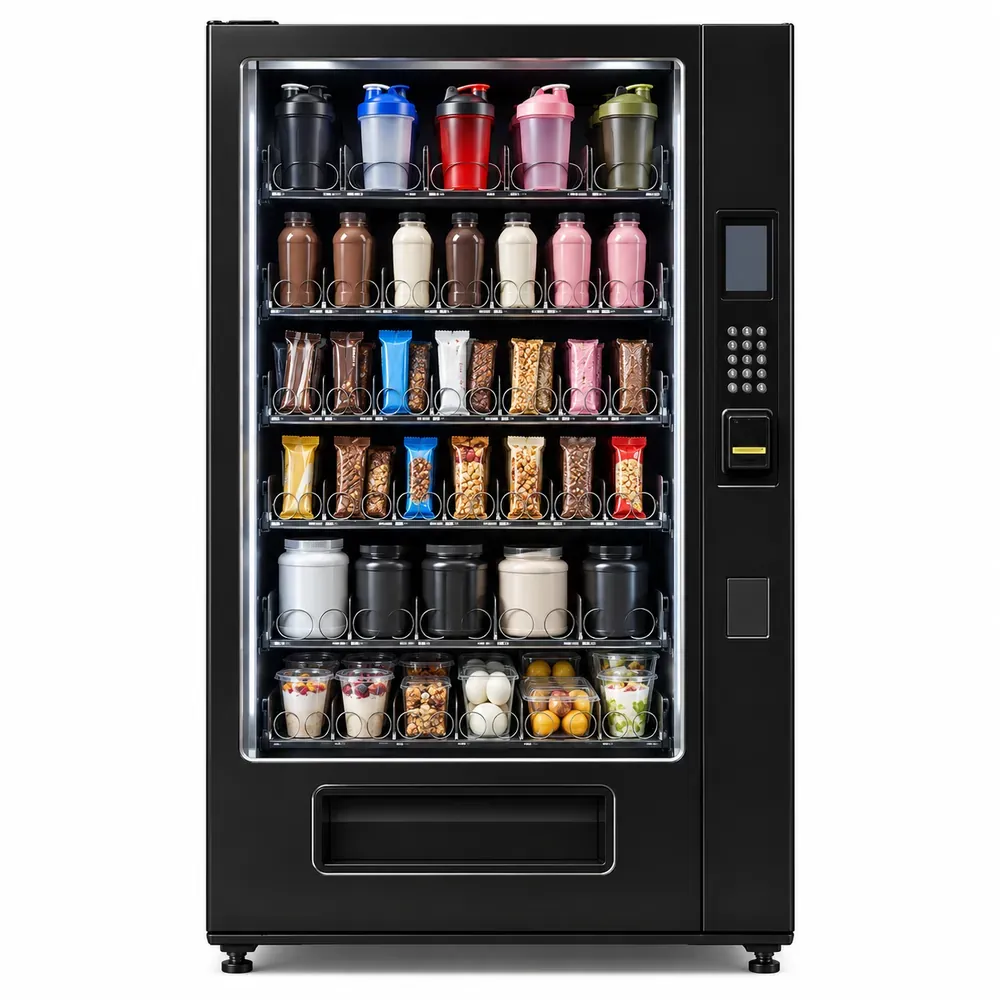
Specialised vending for gym and fitness customers.
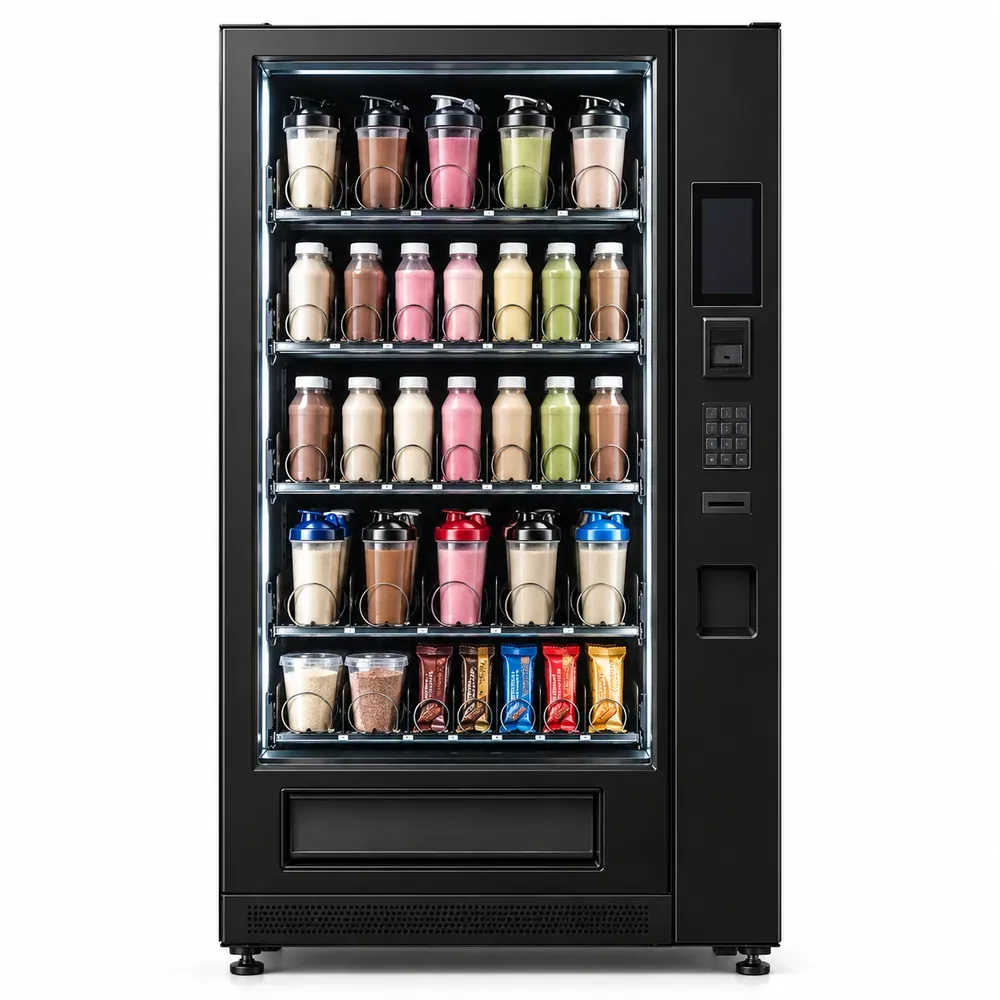
Automatically prepares and dispenses fresh protein shakes.
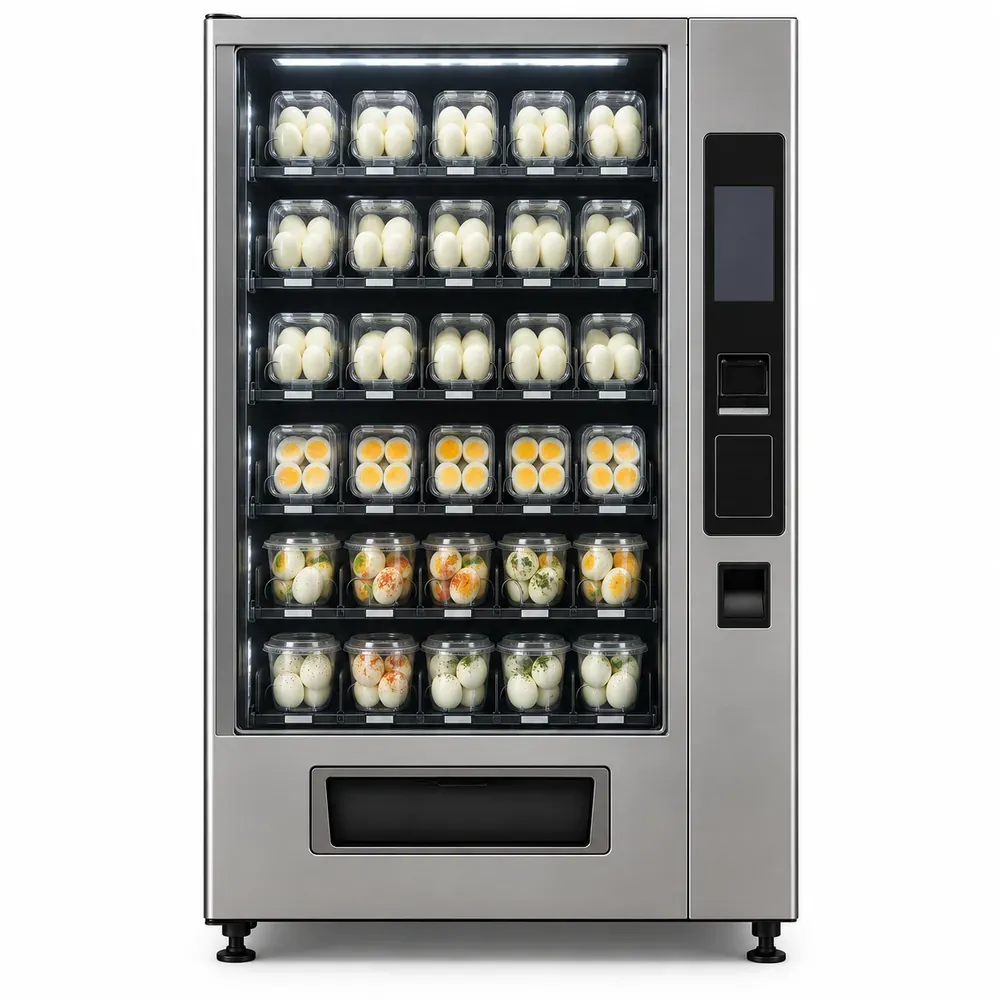
Refrigerated vending for boiled eggs and other ready-to-eat protein foods.
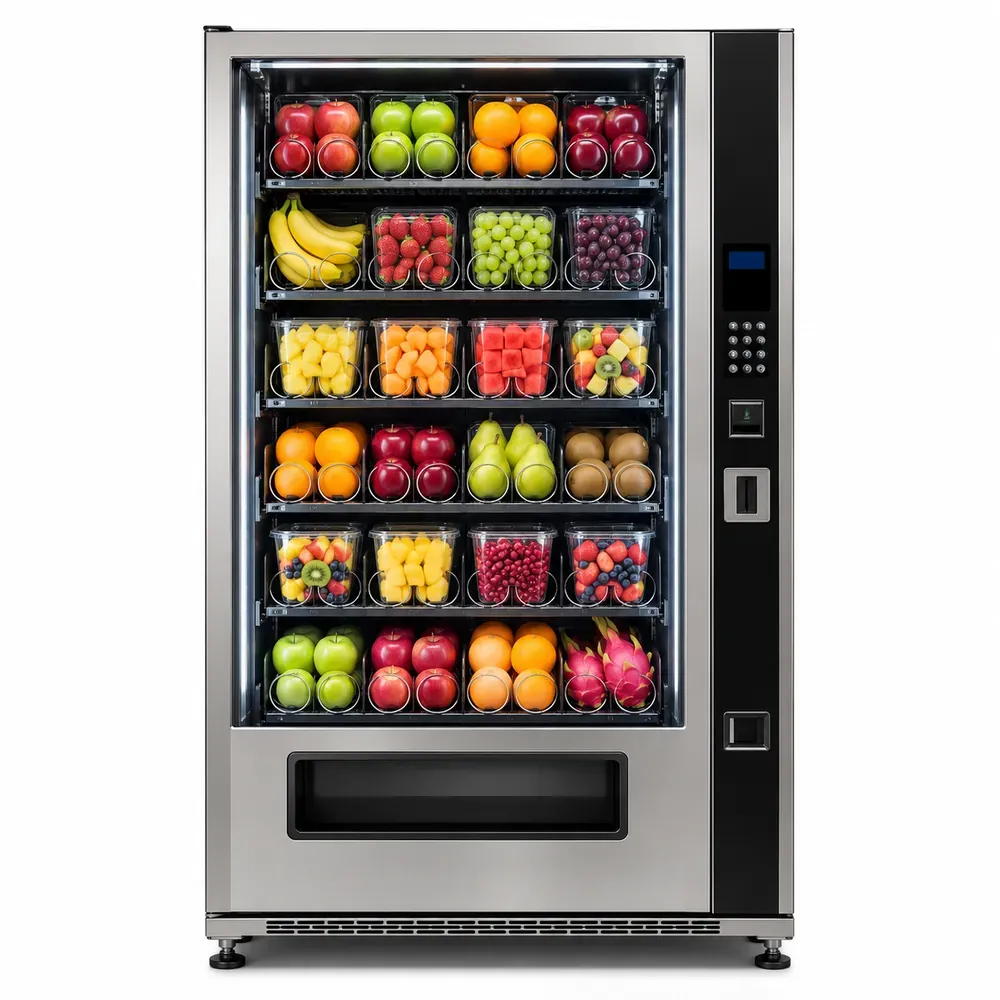
Refrigerated machine selling packaged fresh fruit portions.
Fresh milk dispensing and frozen ice-cream treats.
2 machines
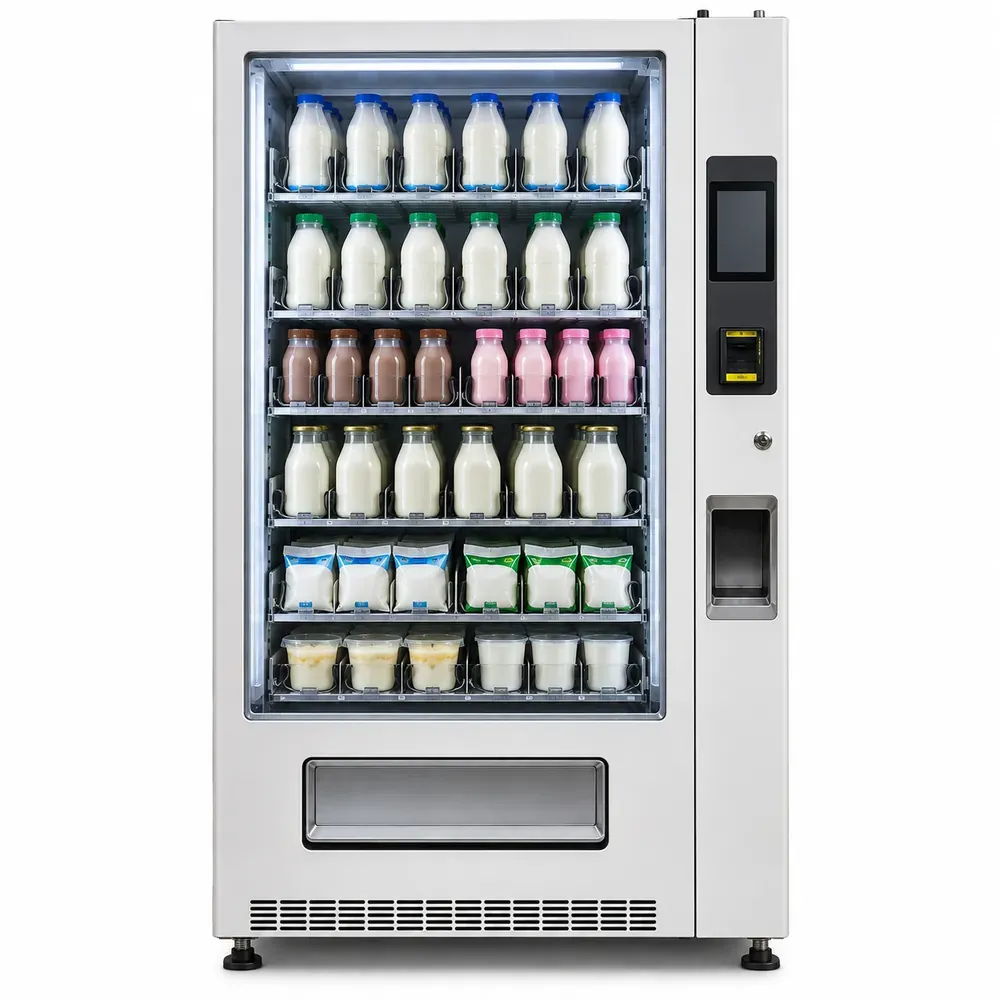
Dispenses chilled or fresh milk through automated payment.
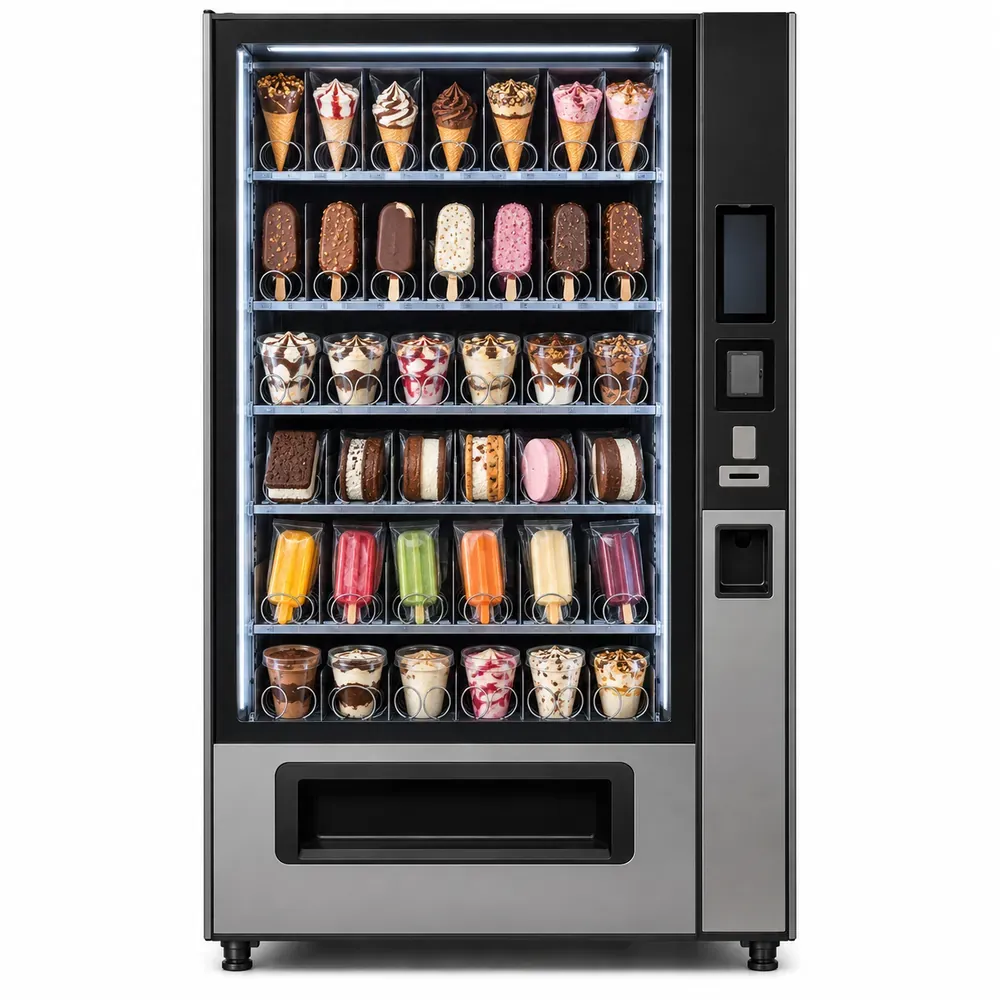
Freezer-based machine selling ice creams and frozen desserts.
Purified water refills, bottled water and packaged ice.
3 machines
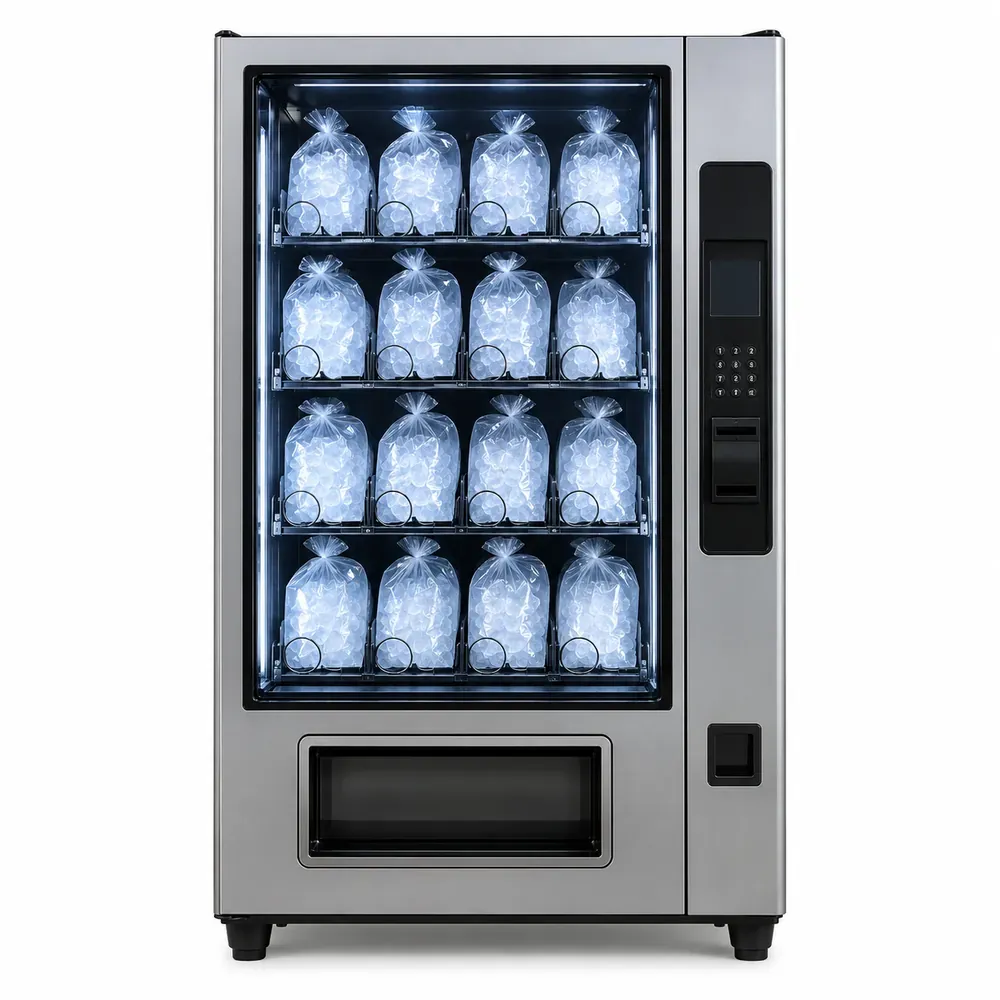
Produces or dispenses packaged ice for consumers and businesses.
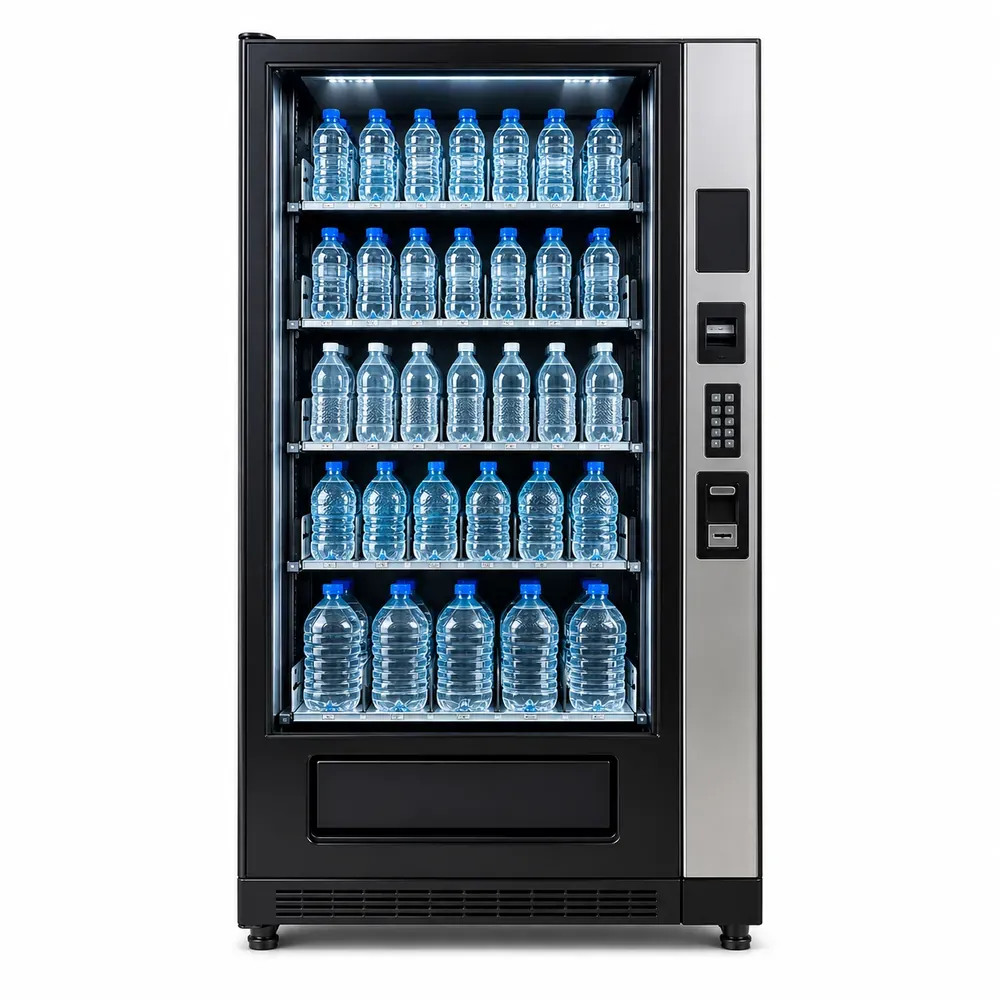
Dispenses filtered/purified drinking water.
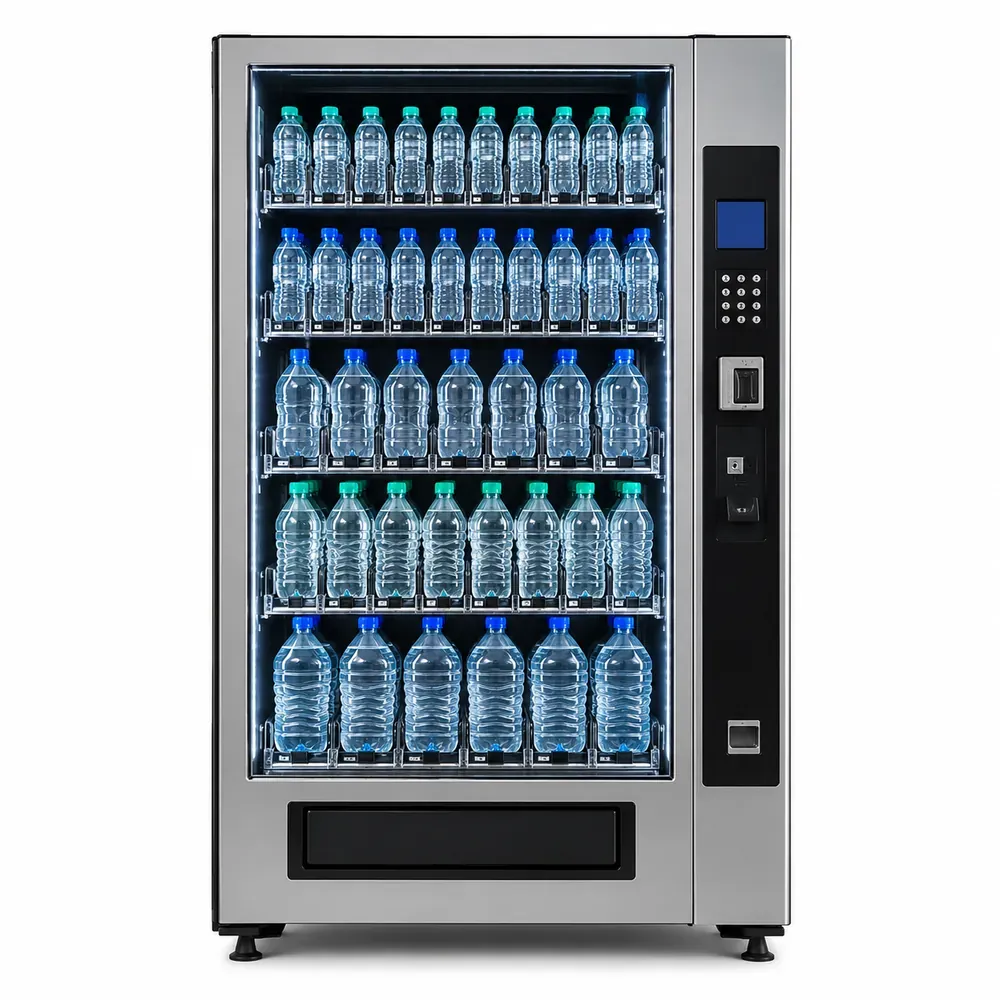
Automated retail machine selling packaged drinking water.
Permitted OTC essentials, first aid, sanitary and hygiene items.
5 machines
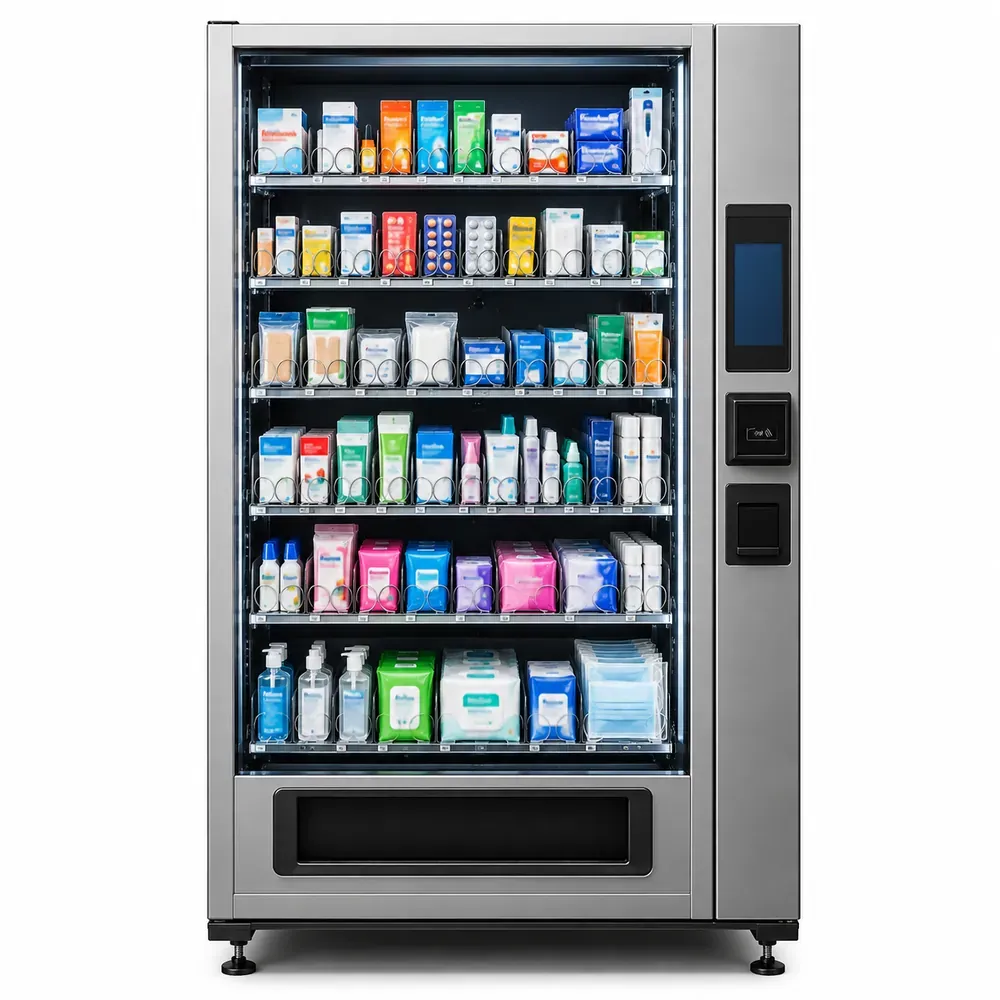
Dispenses permitted OTC and healthcare-related essentials.
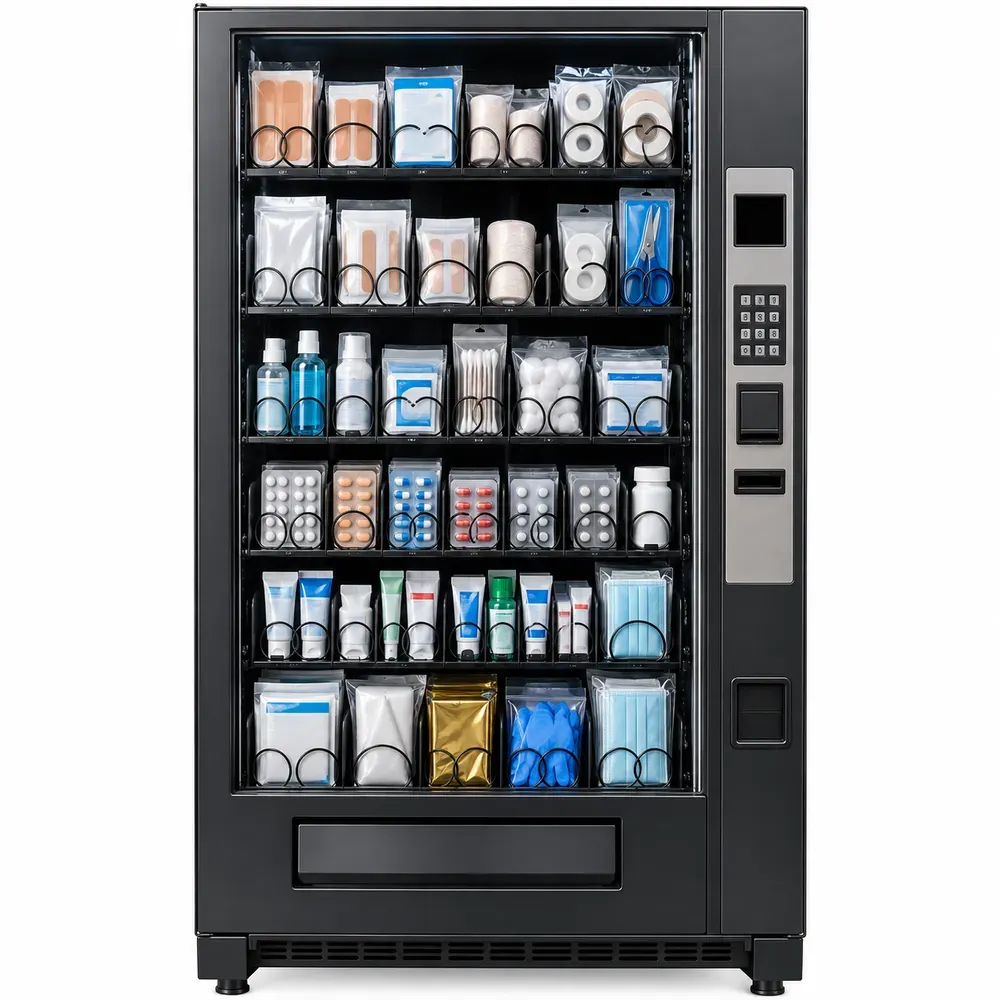
Provides emergency first-aid supplies.
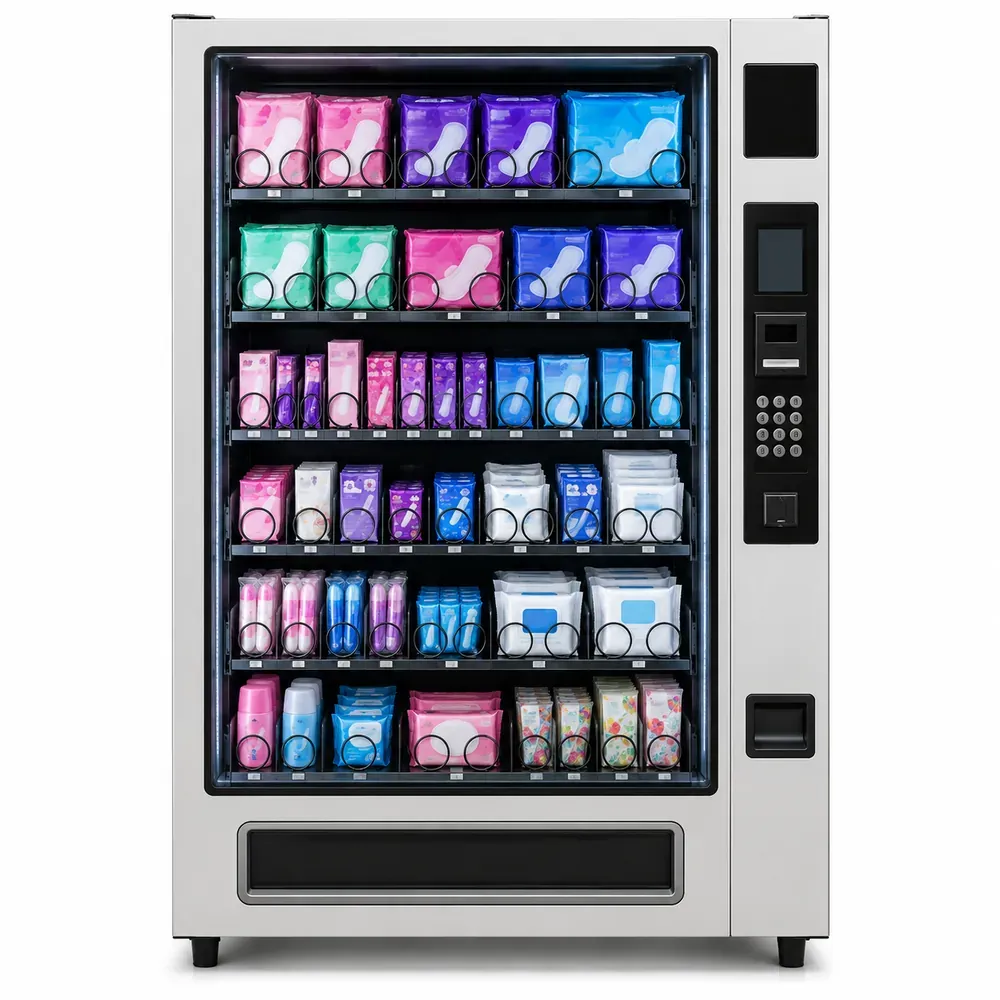
Dispenses sanitary pads and menstrual hygiene products.
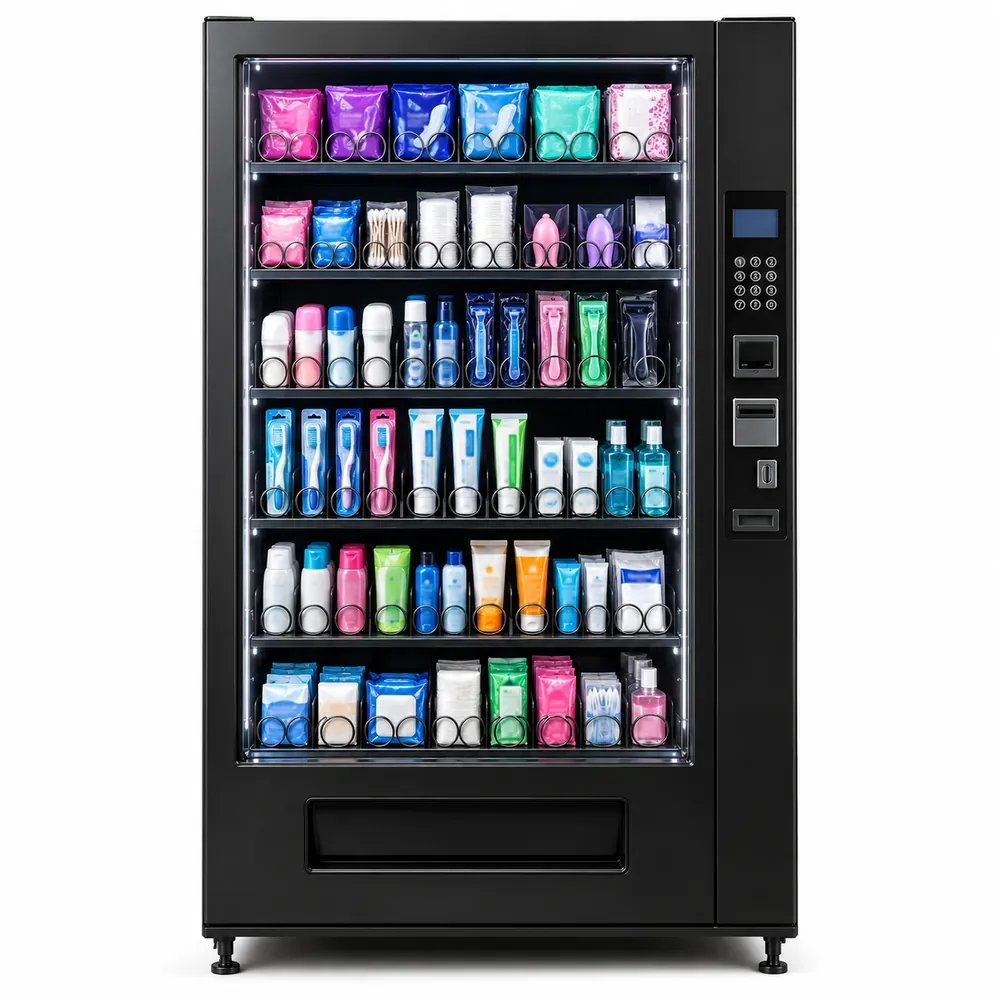
Provides emergency hygiene products.
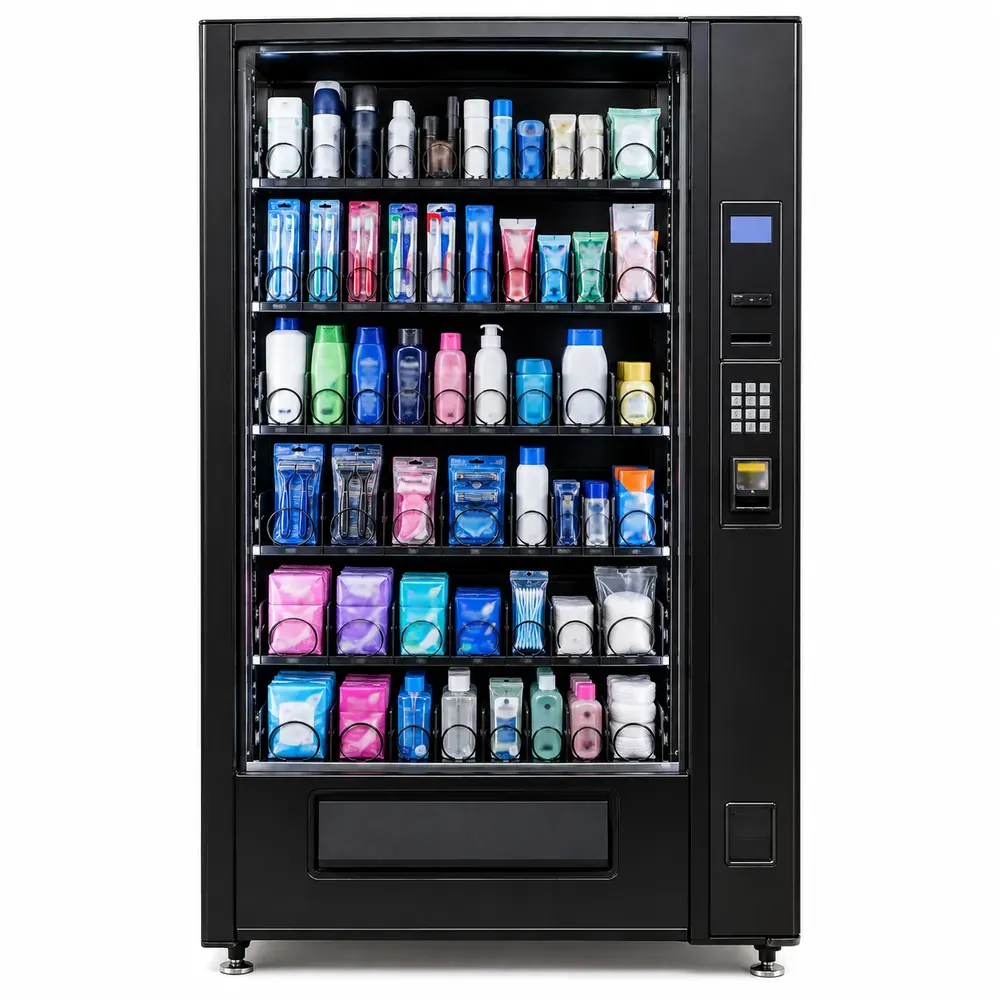
Sells toothbrushes, toothpaste, razors, combs and other toiletries.
Chargers, power banks, travel kits, umbrellas and connectivity.
6 machines
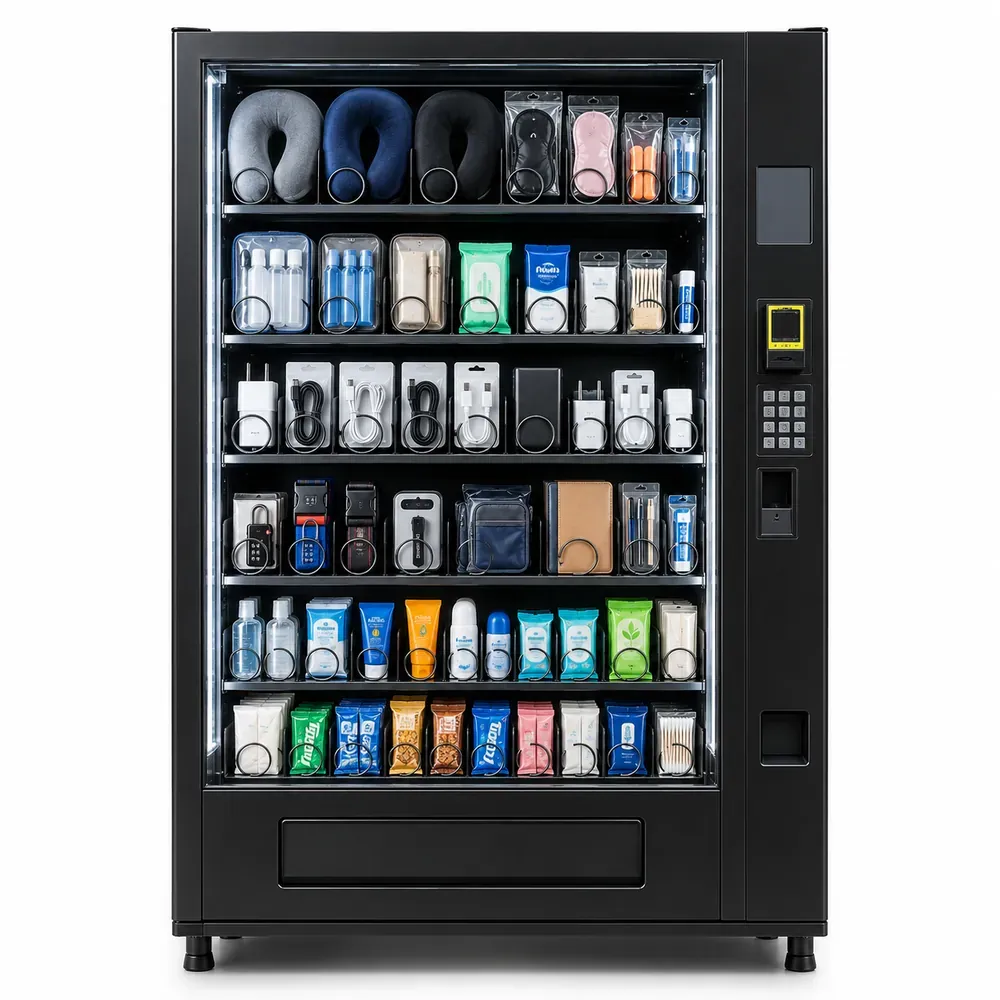
Provides items travellers commonly forget.
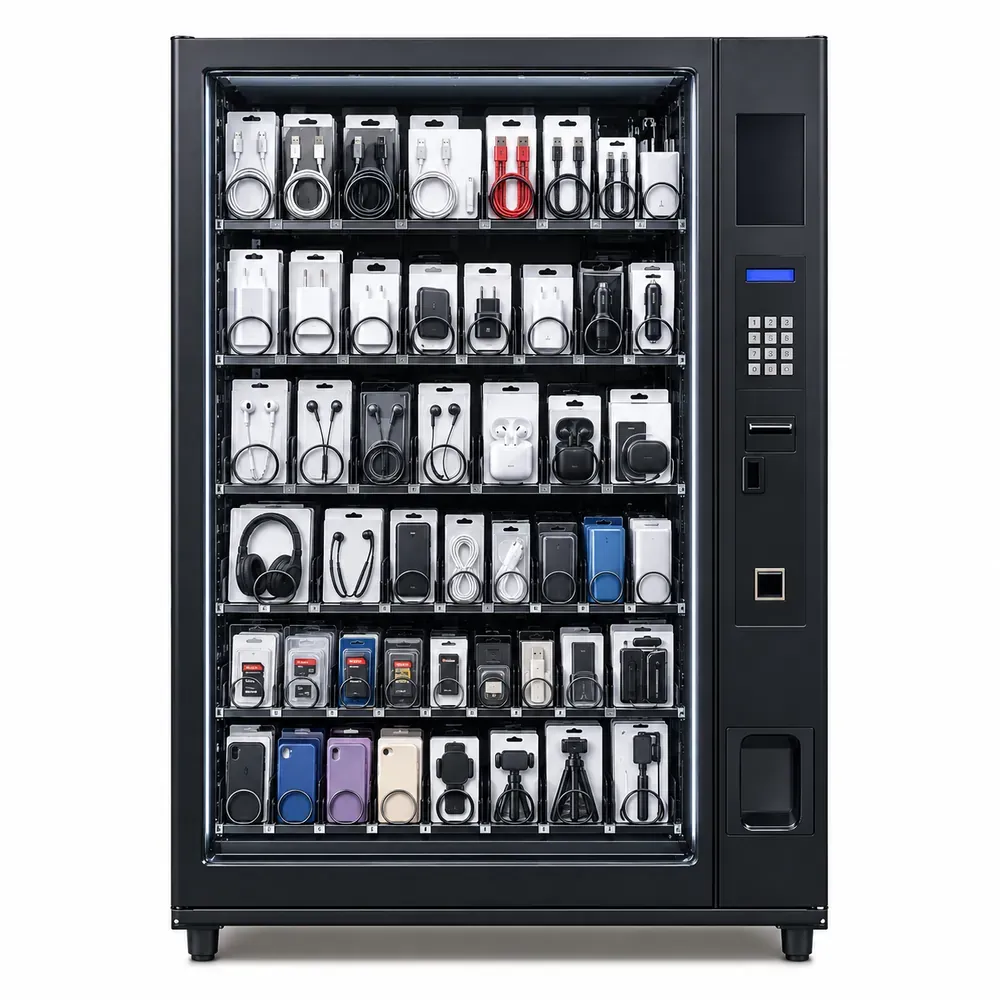
Sells cables, chargers, adapters, earphones and other accessories.
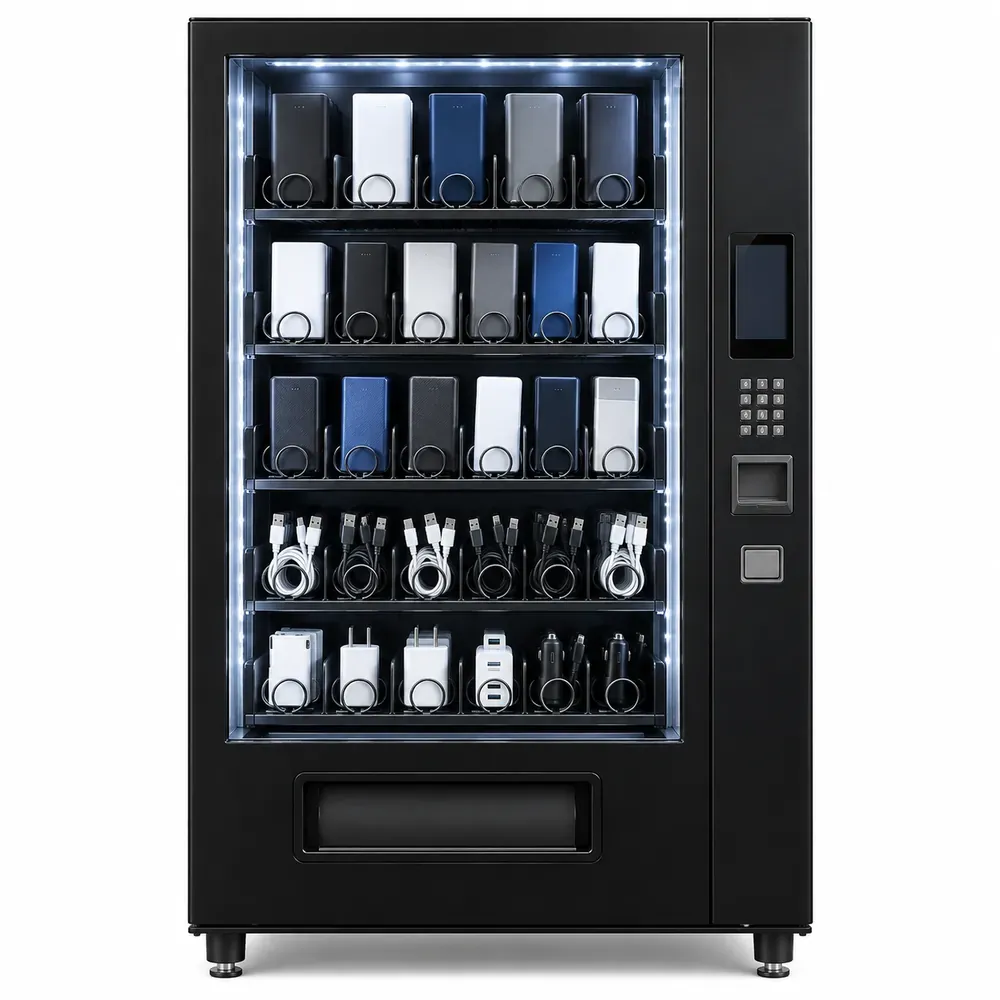
Rents or sells portable power banks.
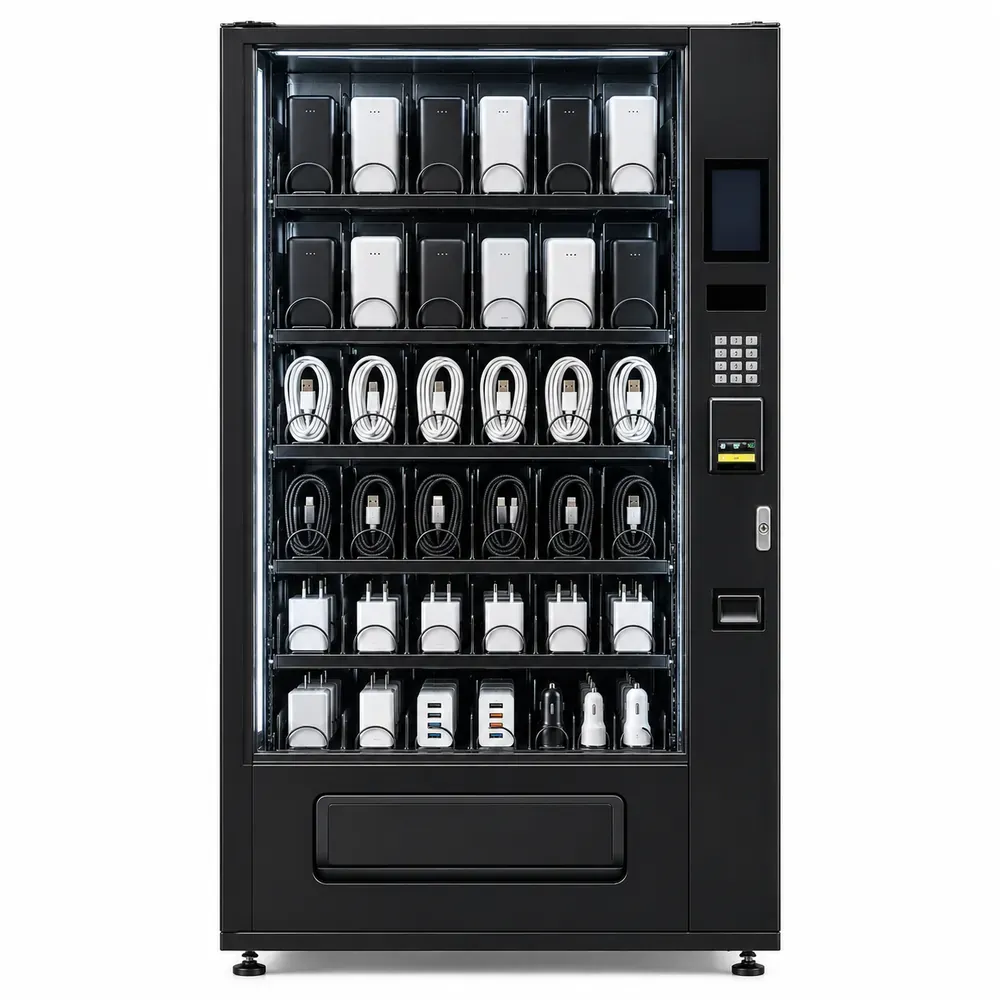
Allows customers to rent charging cables or power banks.
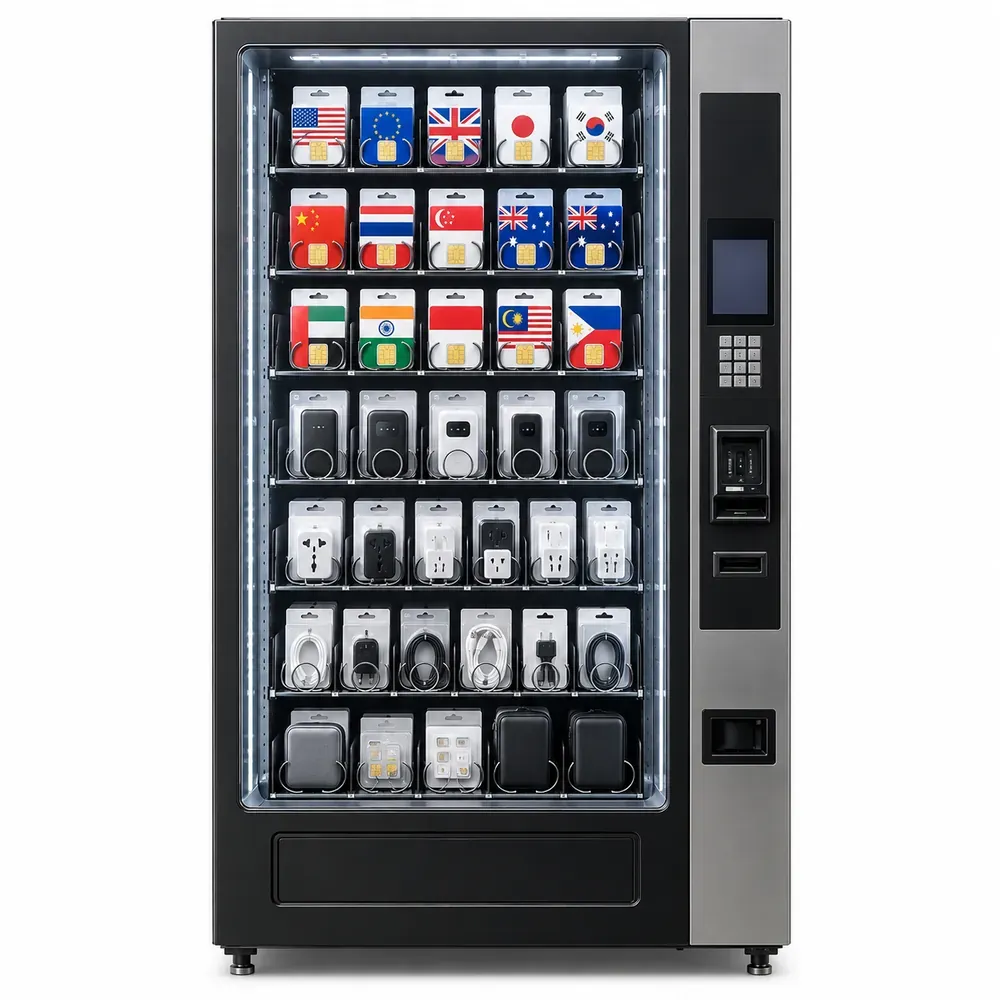
Travel connectivity accessories. SIMs are never sold from an unattended machine (SIM sales need Aadhaar-based KYC); any SIM or eSIM connectivity product is checked per site with a licensed telecom partner.
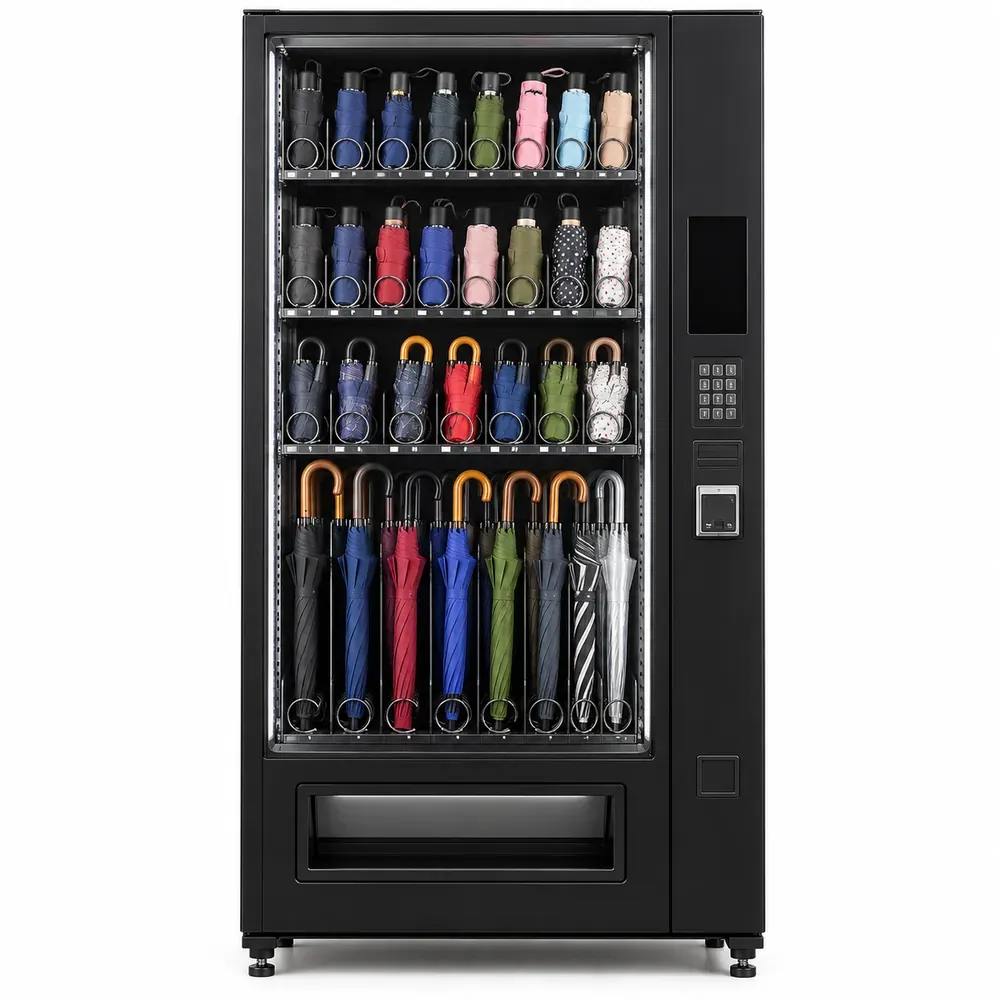
Dispenses umbrellas during sudden rain or weather changes.
PPE, safety consumables, stationery and office supplies.
6 machines
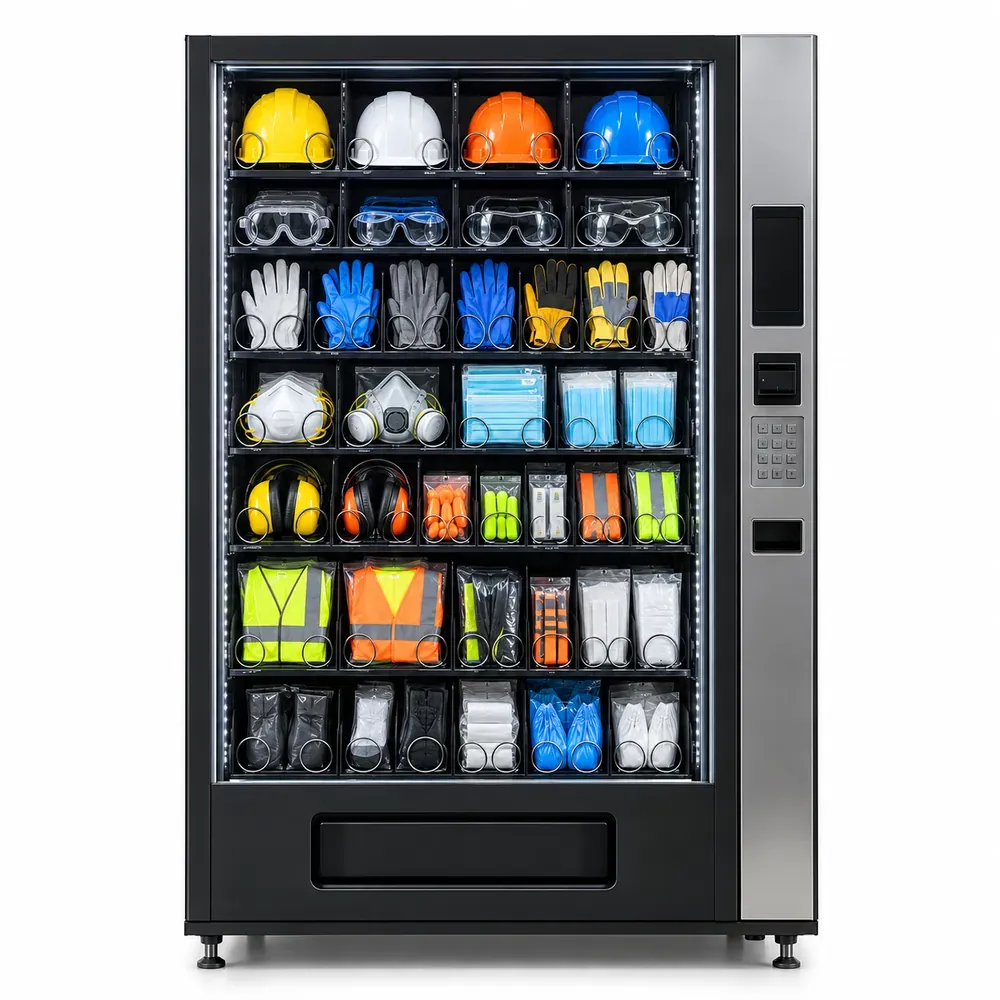
Provides masks, gloves, helmets and other workplace safety supplies.
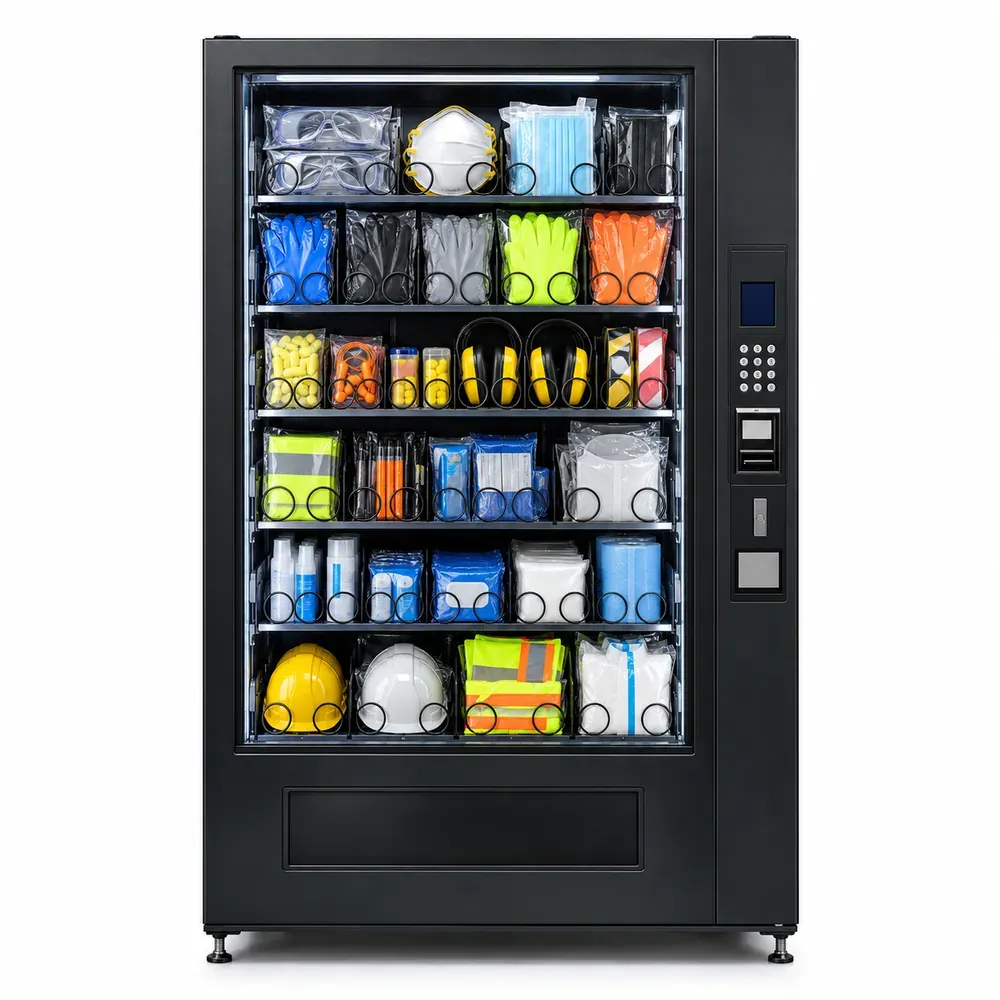
Controlled dispensing of safety consumables to employees.
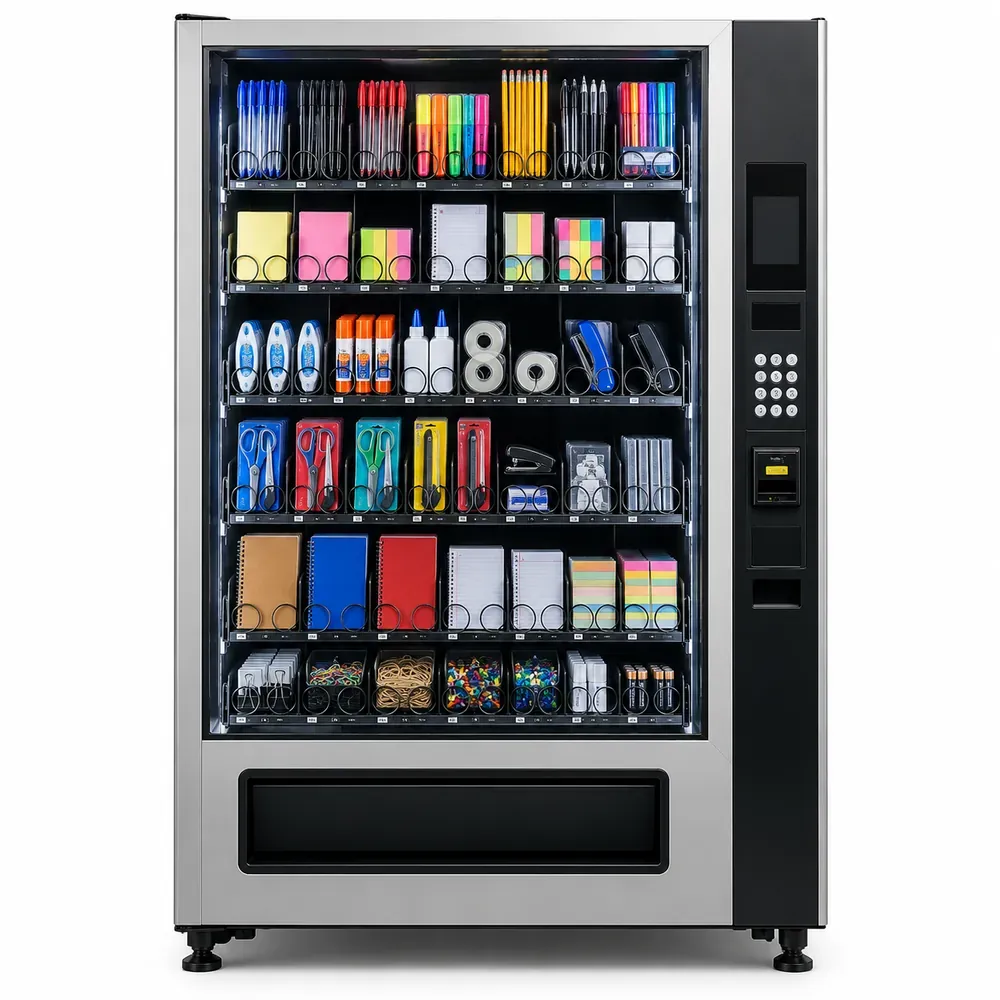
Sells pens, pencils, notebooks, markers and other stationery.
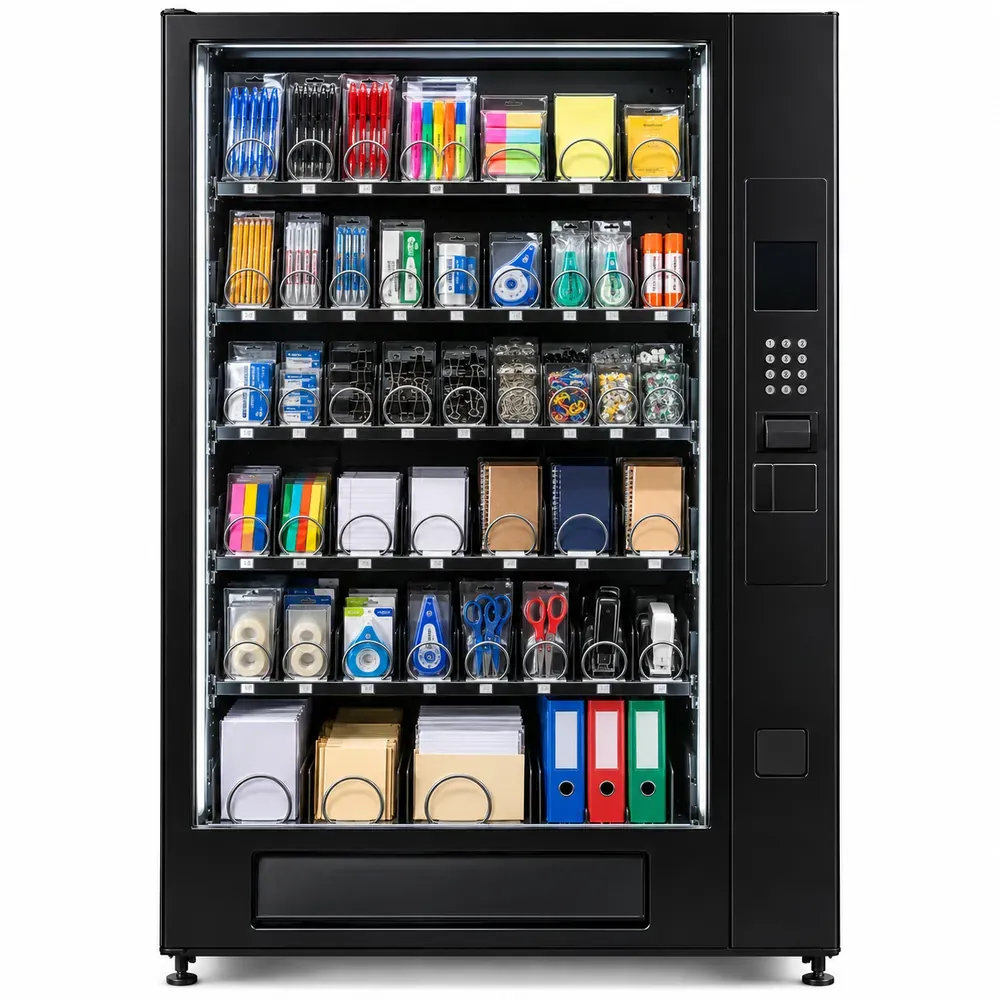
Provides frequently required workplace consumables.
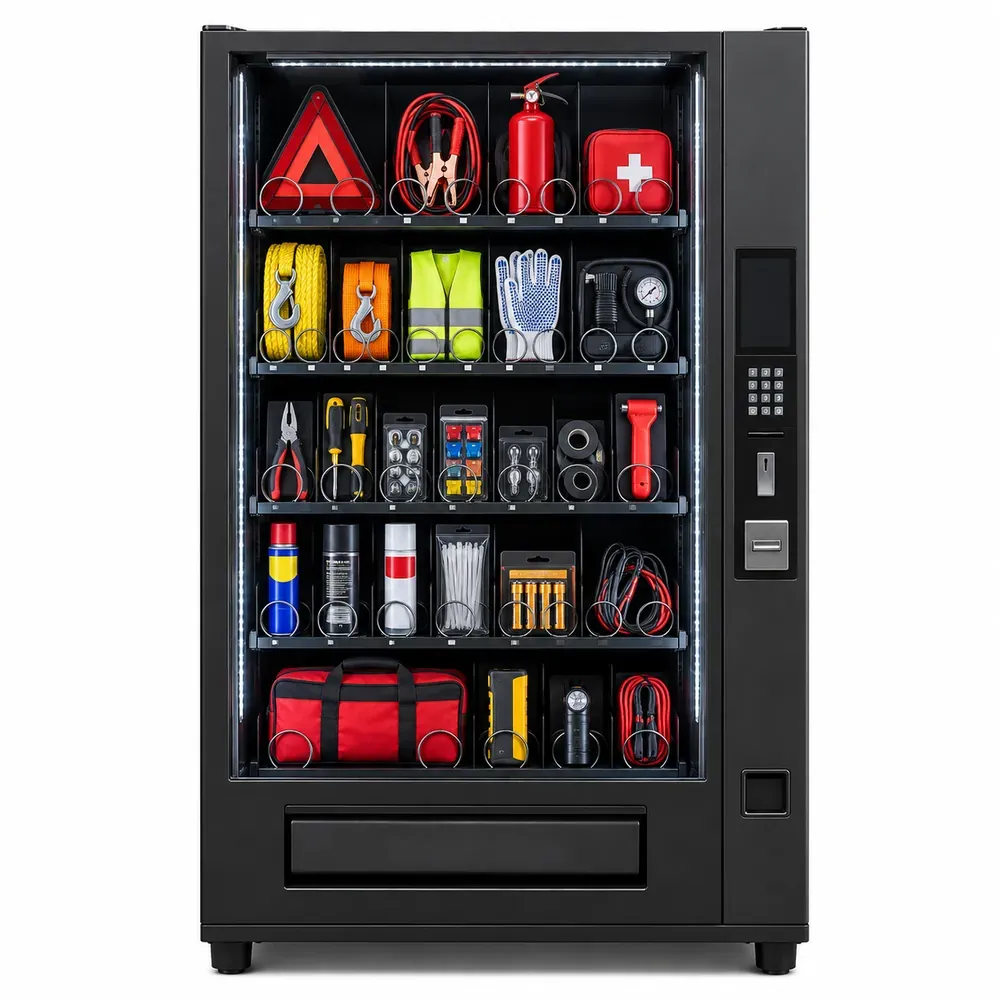
Sells basic emergency vehicle accessories and consumables.
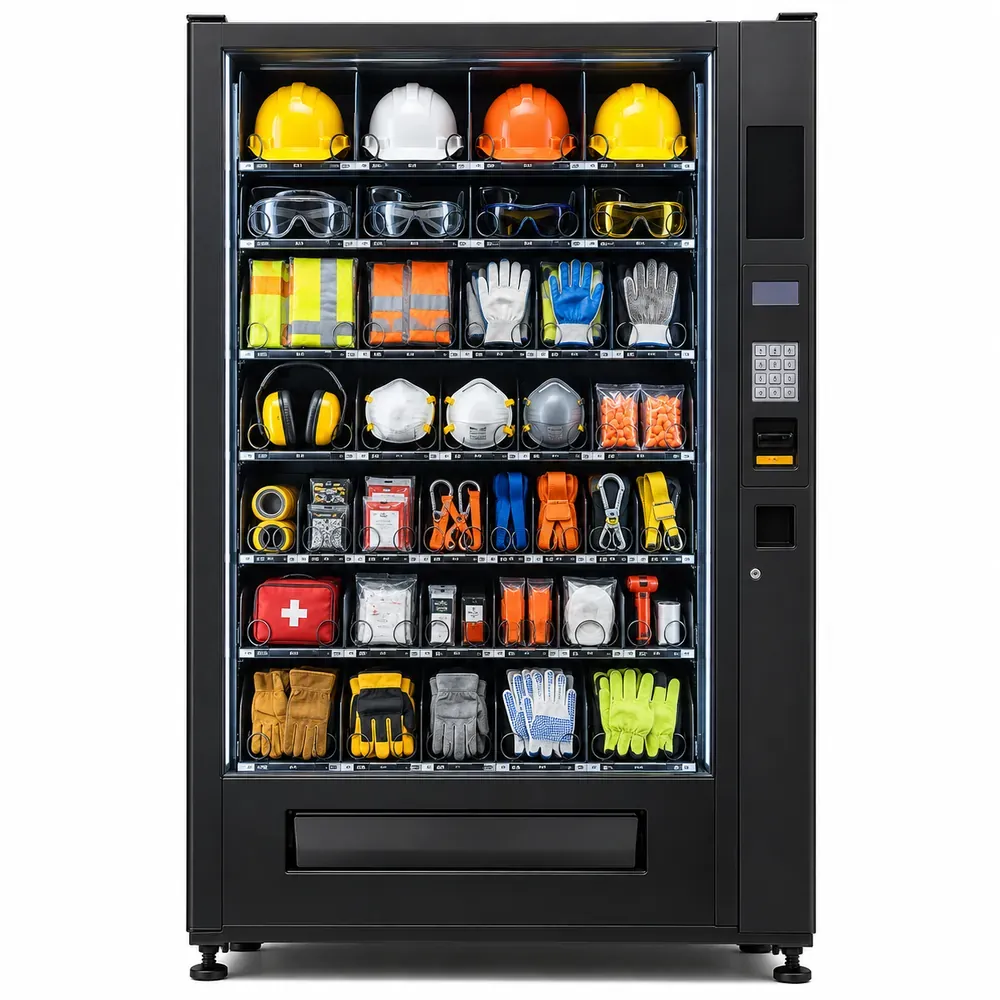
Automated distribution of PPE and consumables at construction sites.
Pet food, pet care, flowers and puja essentials.
4 machines
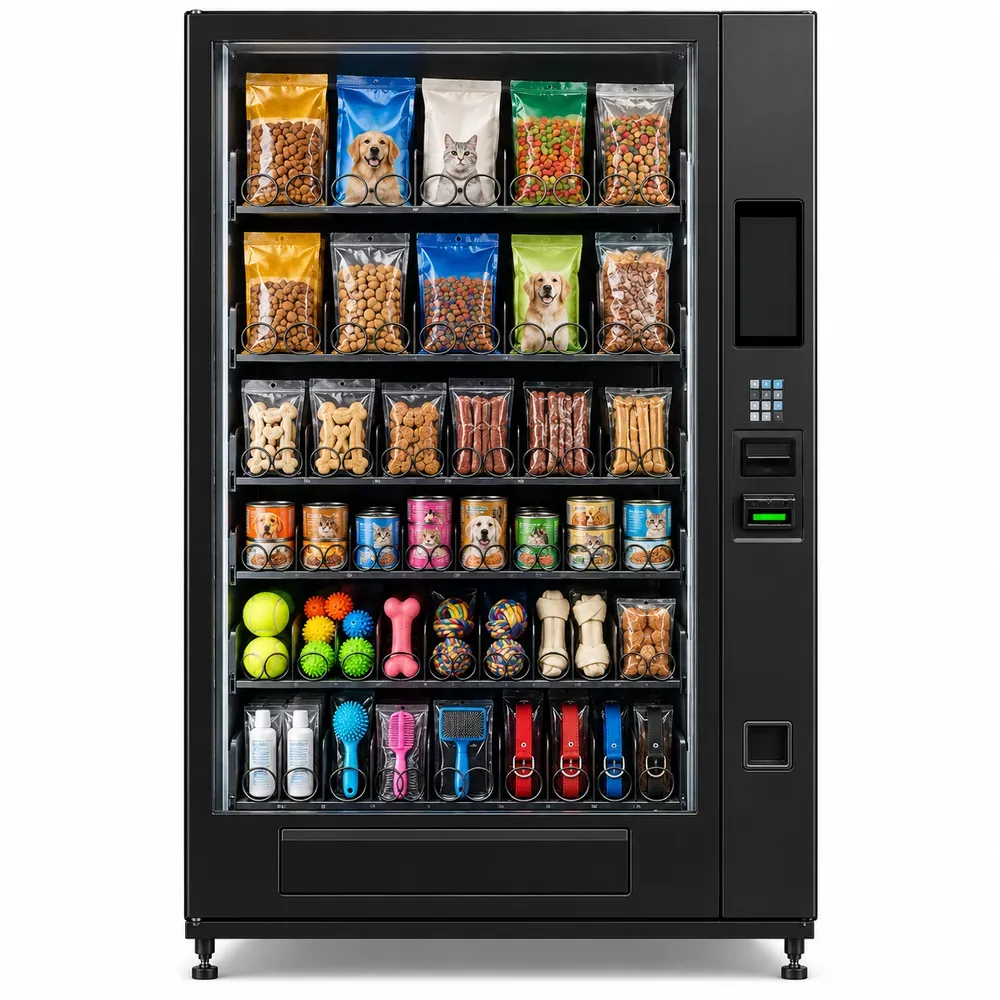
Dispenses pet food and treats.
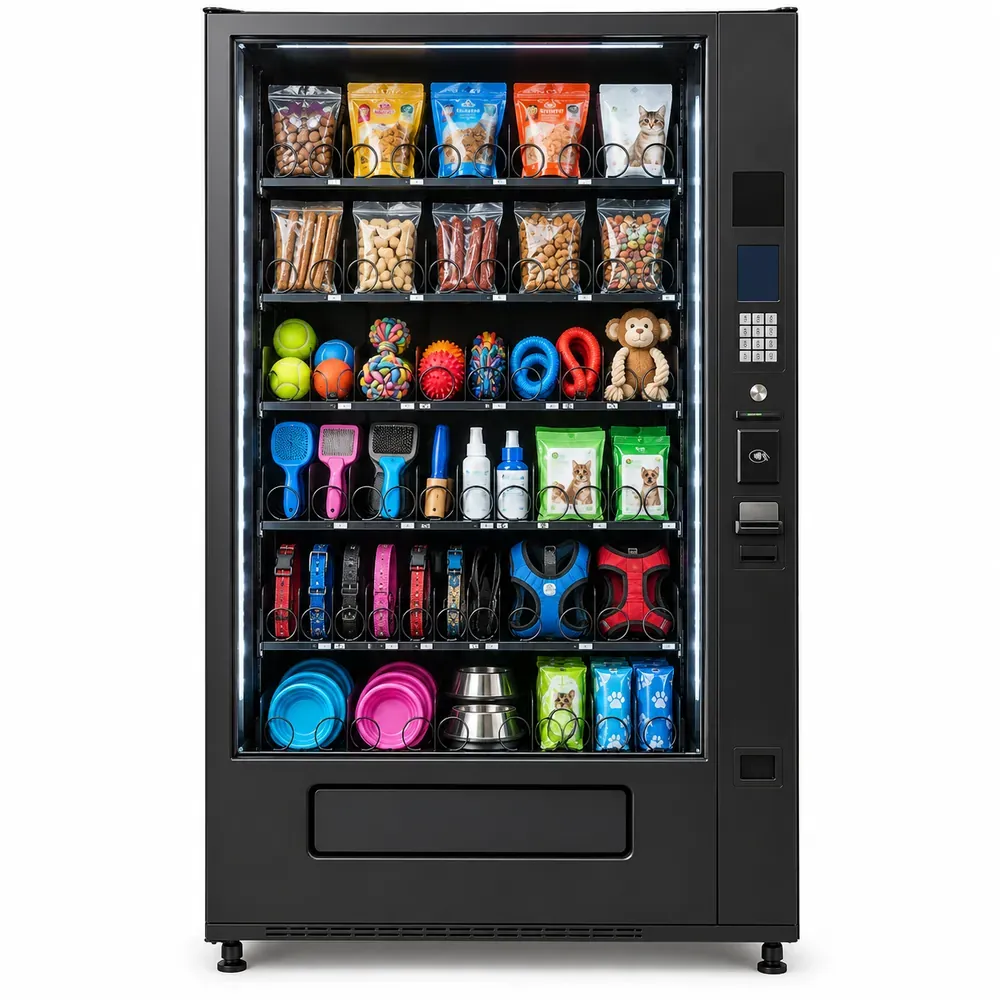
Provides pet-care products such as poop bags, wipes and toys.
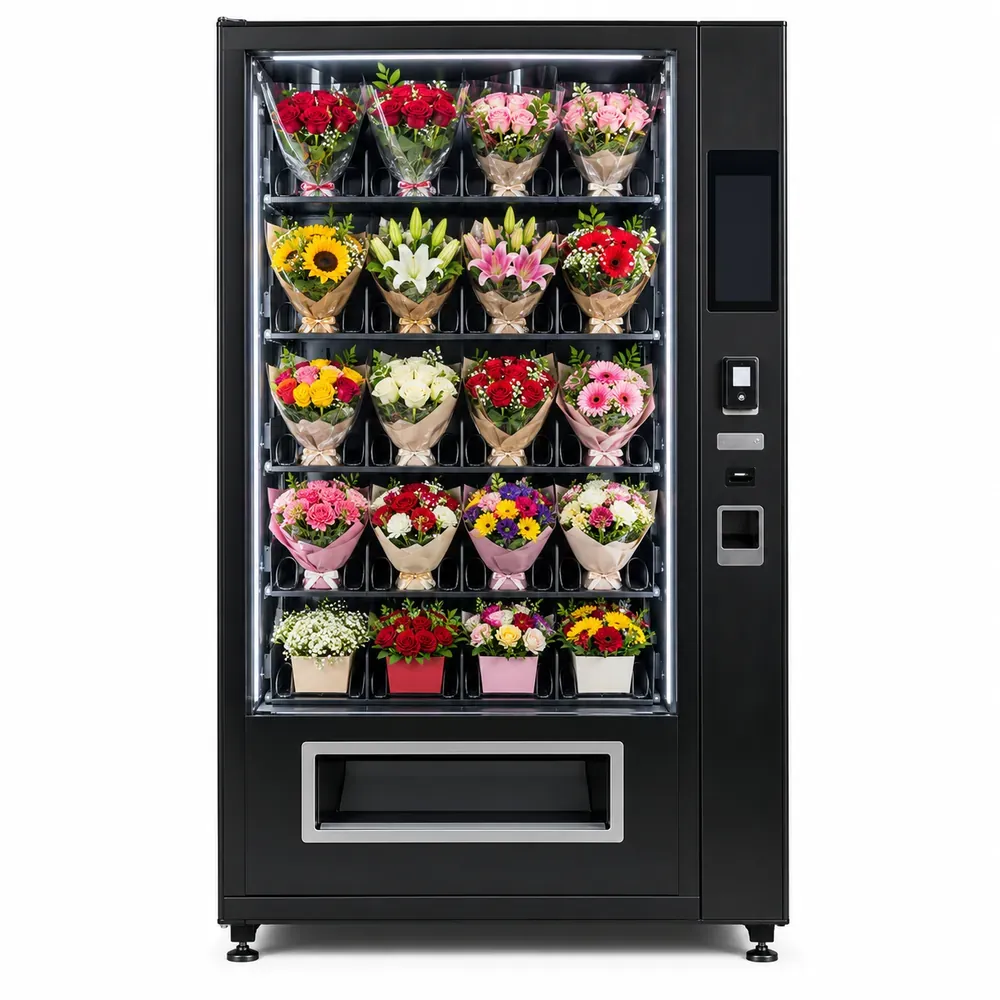
Sells bouquets and individual flowers through refrigerated/display compartments.
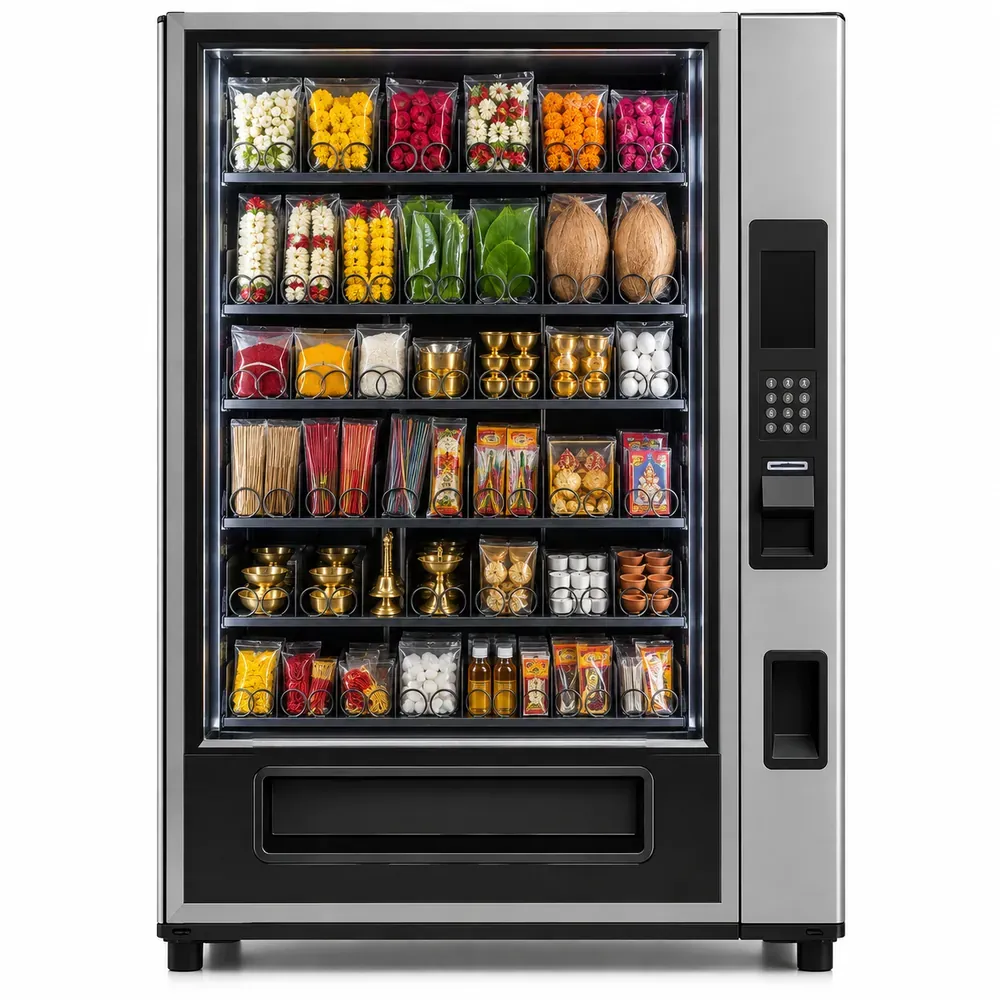
Provides commonly needed religious/puja products.
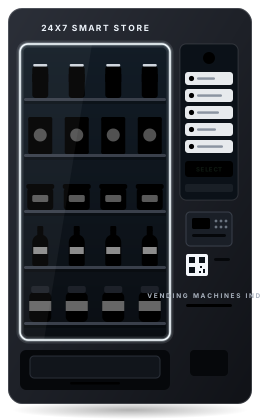
A 24x7 unmanned mini-store for daily essentials.
1 machines
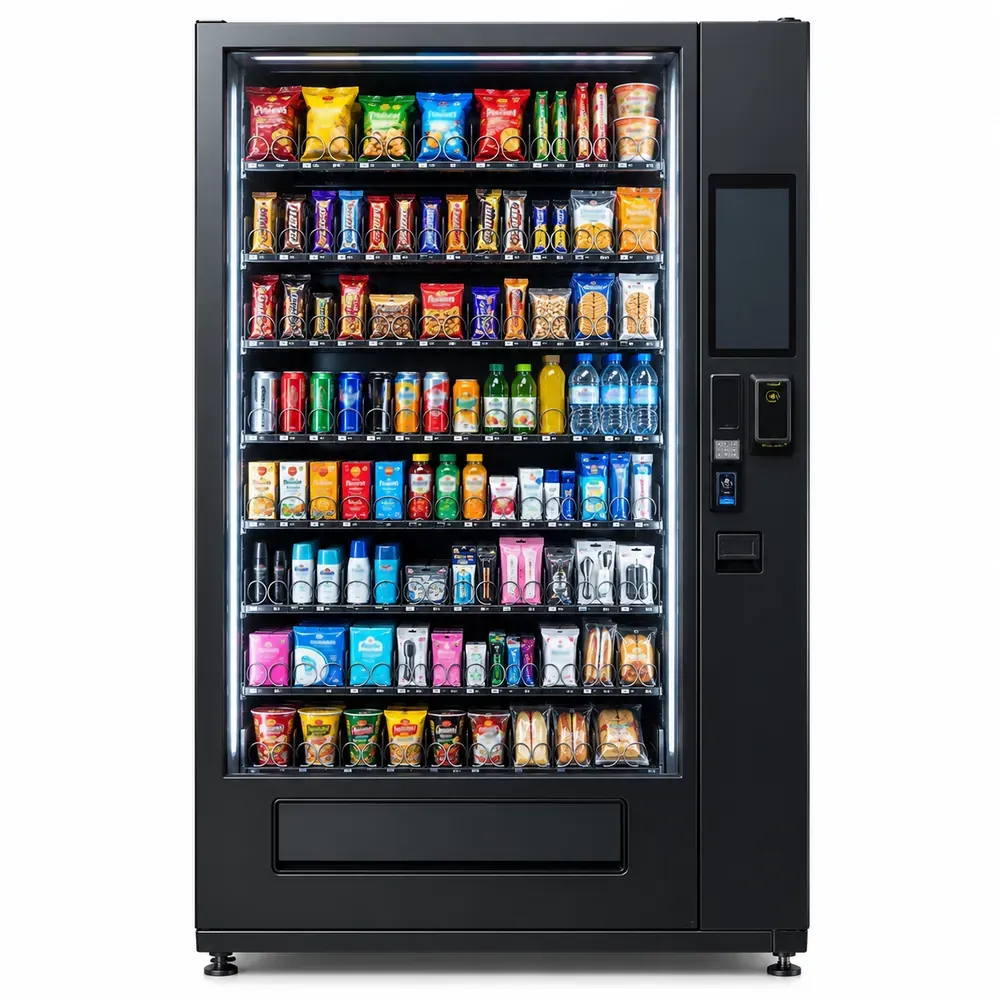
Large automated vending unit combining food, beverages, personal care, electronics and everyday essentials.
Browse by place
Each venue page shows the machines that suit it, the problems they solve and how we set them up.
Tell us the place, the footfall and what people ask for. We will suggest machine options and the way of working that suits you.
Vending machine types differ far more than most buyers expect, and picking the right one is the single biggest decision you will make. A tea machine in a busy office and a PPE dispenser on a factory floor may look similar from a distance. Inside, they work in completely different ways.
The catalogue above lets you filter 50 machines by category or venue. This guide steps back and explains how the types of vending machines are grouped, what each group is good at, and how to match one to your space. Read it once and the filter becomes much easier to use.
Of all the choices you make, vending machine types decide almost everything else. It decides how much floor space you need, how much power the machine draws, how often someone must refill it and which rules apply to the products. It also decides who will actually use the machine and how often.
Choose the wrong type and even a good location can feel empty. Choose the right one and the machine becomes part of the daily routine of the people around it. That is why we always start with the question “who is this for?” before we talk about any specific model.
There is no single official list of kinds of vending machines. Different makers sort them in different ways. We find it simplest to think about three things: what temperature the products need, how the product leaves the machine, and how people pay.
Temperature is the first big split between vending machine types, and it shapes running costs:
Many sites start with ambient or chilled vending machine types because these are the easiest to run.
Some vending machine types drop a packed item from a spiral or a lift. Others make something fresh, such as a cup of coffee, a glass of juice or a shake. Some dispense a liquid, like milk or purified water, into the buyer’s own bottle. A few rent out an item, such as a power bank or an umbrella, and expect it to come back.
Each of these vending machine types has a different upkeep load. A drop machine mainly needs refills. A fresh-prep machine also needs daily cleaning and ingredient checks. A rental machine needs a clear return process so stock does not go missing.
Modern smart machines are usually cashless first, taking UPI QR codes and cards, and some set-ups can also take cash. A connected machine sends sales, stock and health data to a dashboard, so refills can be planned. Closed-loop payment with staff or student ID cards is possible for some sites, but it needs extra scoping during a survey.
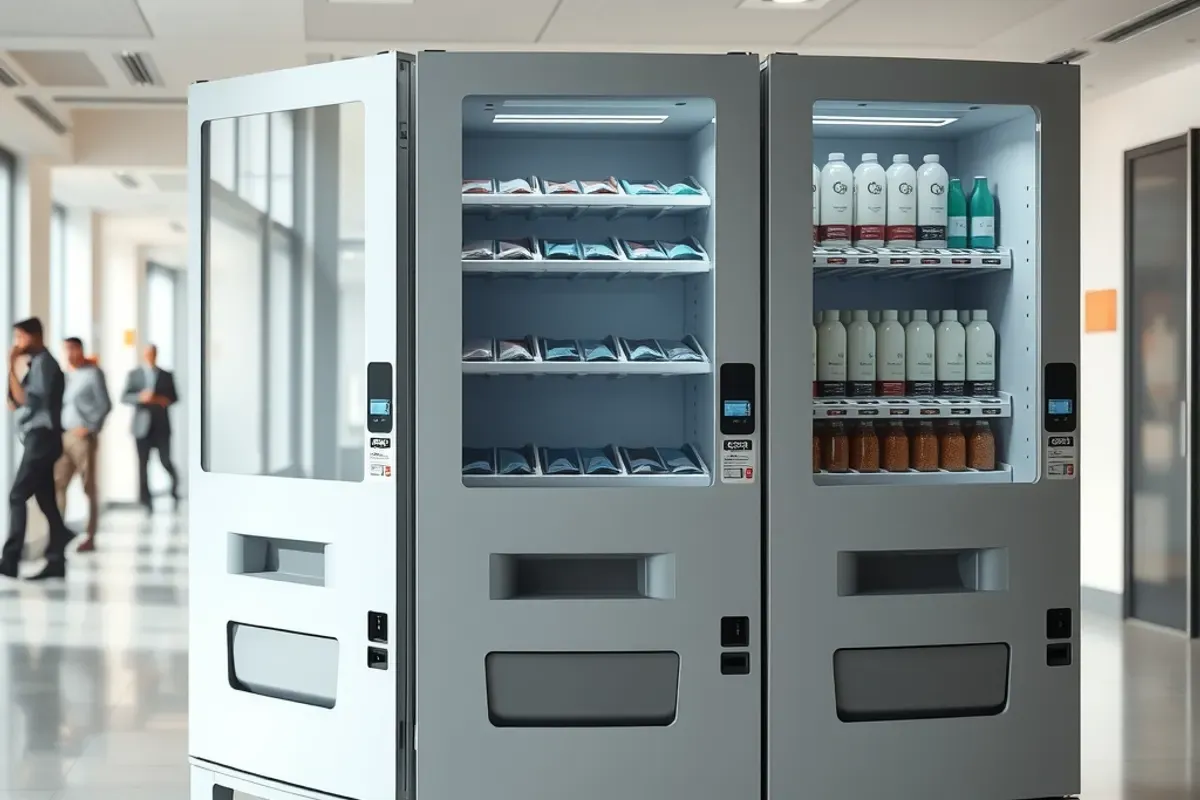
Food and drink make up the biggest share of our vending machine categories. Together, beverages, snacks, meals, health foods and dairy cover 25 of the 50 machines in the catalogue.
Beverage machines range from fresh-brewed tea and coffee to chilled cans and bottles. Our list also includes machines for lassi and buttermilk, fresh juice and coconut water, which suit Indian tastes and hot weather. A tea and coffee vending machine is often the first machine an office or factory adds, because people use it many times a day.
Fresh drink machines need clean water, regular descaling and a clear cleaning schedule. Chilled drink machines are simpler but need a reliable power point so stock stays cold overnight.
Snack machines are the classic picture most people have in mind. A glass-front snack vending machine holds chips, biscuits, namkeen and similar packs. Combo machines add chilled drinks in the same cabinet. Other snack types focus on popcorn, chocolates or bakery items.
Snack vending machine types are flexible. The product mix can be changed quickly based on what sells, which makes them a good choice when you are not yet sure what your visitors want.
Meal machines aim to replace a quick canteen visit. Our catalogue lists eight meal types, including fresh food, breakfast, Indian meals, salads, sandwiches, pizza, hot meals and instant noodles. They suit places where people work long or late shifts and a canteen is closed or far away.
These vending machine types need the most planning. Food should be stocked in FSSAI-compliant packaging, kept at the right temperature and rotated before expiry. Who holds the food licence depends on the model you choose, and it is set out in your agreement.
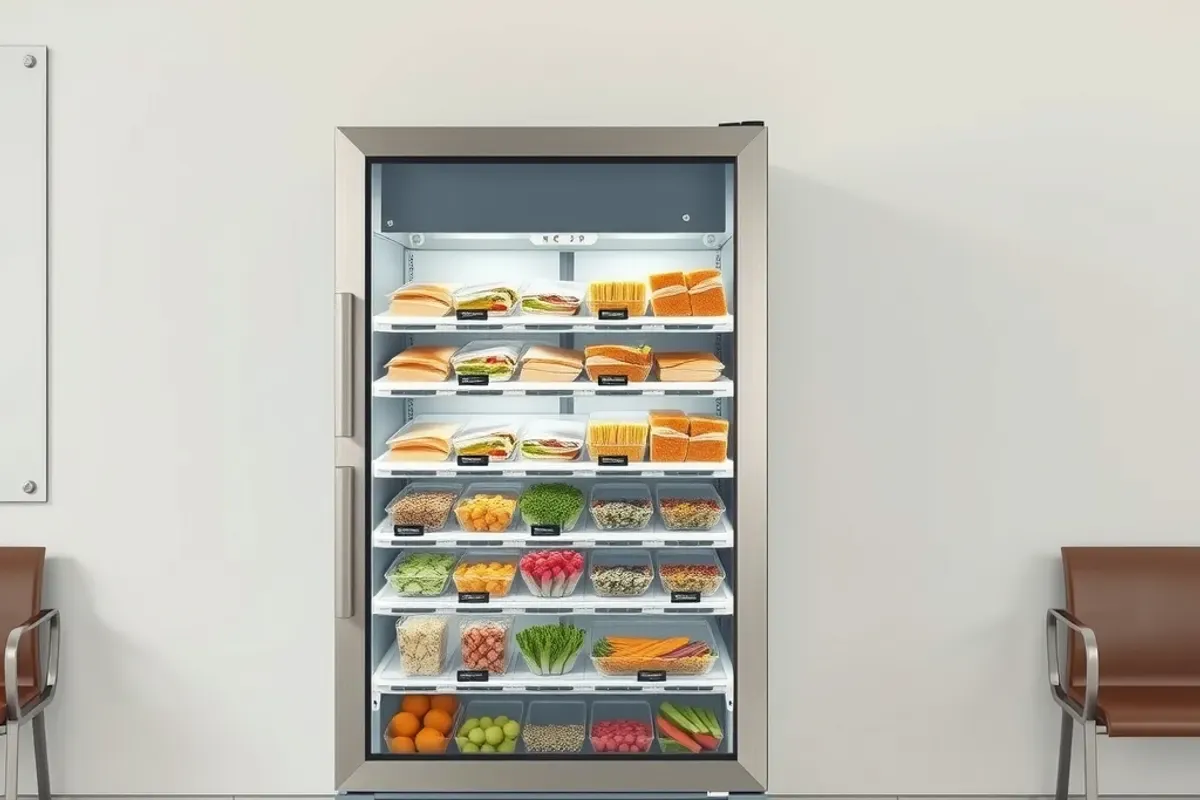
Health-focused vending machine types sell protein bars, ready-mixed shakes, boiled eggs, fruit and lighter snacks. They work well in gyms, sports centres and wellness-minded offices. Dairy machines include fresh milk dispensing for housing societies and ice cream for malls, cinemas and family spaces.
Milk and ice cream need strict temperature control. A short power cut can spoil stock, so ask about temperature alerts when you compare models.
Not every machine sells something to eat. Many of the most useful vending machine types solve small, urgent problems: a forgotten charger, a broken glove, a sudden need for a sanitary pad.
Water vending machine types refill bottles with purified water or sell sealed bottles. Ice machines sell packaged ice for events, shops and homes. These are simple in idea but need regular hygiene checks and, for refill machines, filter servicing.
This group of vending machine types covers first-aid kits, sanitary pads, personal hygiene items, toiletries and pharmacy essentials. A pharmacy machine stocks permitted OTC essentials only. Prescription medicines are never stocked, and each item is checked before it goes into the machine. Any licensing the venue needs is confirmed per site.
A sanitary pad vending machine is one of the simplest ways for an office, college or factory to support staff and students. It needs little space and almost no upkeep beyond refills.
Travel and tech vending machine types sell or rent chargers, cables, earphones, power banks, umbrellas and travel kits. They suit railway stations, airports, bus stands, hotels and malls. SIM cards are never sold from an unattended machine. Any SIM or eSIM connectivity product is checked site by site with a licensed telecom partner.
These vending machine types hand out PPE, safety consumables, stationery and office supplies. Factories often use them to track who takes which item, which helps control waste. A PPE and safety vending machine can be set up so workers collect gloves, masks or earplugs with an ID or code.
Lifestyle vending machine types cover pet food, pet care, flowers and puja essentials, which suit temples, societies and pet-friendly malls. The 24x7 smart convenience store machine is a step up: an unmanned mini-store that can hold a wide mix of daily items in one cabinet.
The table below compares the main vending machine types on the points buyers ask about most. It is a general guide only. Exact space, power and upkeep needs differ by model and are confirmed during a site survey.
| Machine group | Temperature | Upkeep level | Typical places | Main thing to check |
|---|---|---|---|---|
| Tea and coffee | Hot | High (daily cleaning) | Offices, factories, hospitals | Water supply and descaling |
| Cold drinks and snacks | Ambient or chilled | Low to medium | Offices, campuses, malls | Steady power, product mix |
| Fresh and hot meals | Chilled or hot | High | Factories, hospitals, hostels | Food licence and expiry checks |
| Health and protein | Ambient or chilled | Medium | Gyms, offices | Shelf life of fresh items |
| Milk and ice cream | Chilled or frozen | Medium to high | Societies, malls | Temperature alerts |
| Water and ice | Ambient or frozen | Medium | Societies, travel hubs | Filter and hygiene servicing |
| Hygiene and first aid | Ambient | Low | Offices, colleges, factories | Permitted items only |
| Travel and tech | Ambient | Low to medium | Stations, hotels, malls | Return process for rentals |
| PPE and safety | Ambient | Low | Factories, sites | User tracking set-up |
| 24x7 smart store | Mixed | Medium | Societies, campuses | Range and refill routine |
Use the table to narrow your list of vending machine types to two or three groups. Then open each machine page to read its key points before you decide.
The quickest way to answer “which vending machine is right for me?” is to start from the place, not the product. Each venue page on this site lists the machines that tend to suit it.
These pairings of venues and vending machine types are starting points, not rules. A hospital with a busy gym nearby, or an office with a large night shift, may need a mix of vending machine types.
If you are still unsure, try our four-step vending machine finder. You answer where the machine will stand, what it should sell, how people will pay and how you want to get it. It then suggests matching machines from this catalogue and passes your answers to the enquiry form.
Once you have a short list, a few practical checks will save time and money later. These apply to almost every one of the vending machine types in our catalogue.
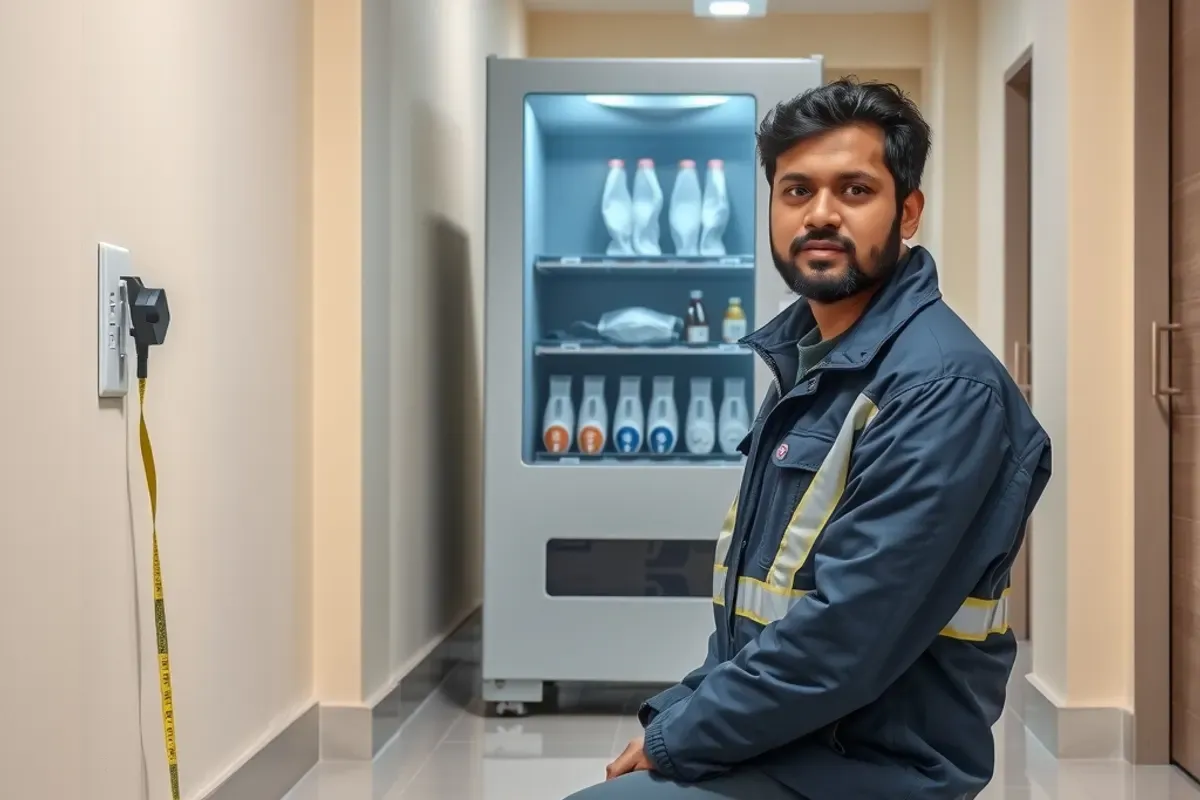
Different vending machine types have different footprints, so measure the floor area and check that the floor is level and strong enough. Find the nearest power socket and ask whether it is on a backup supply. Chilled and frozen machines suffer most from power cuts. Leave room in front of the machine for people to stand, pay and collect.
Count roughly how many people pass the spot each day and at what times. A machine near a lift or a canteen exit will behave very differently from one in a quiet corridor. Then list what those people ask for most. The product mix can be planned around your venue and changed later using sales data.
If you plan to sell food or drinks, learn the basics of food safety rules in India. The Food Safety and Standards Authority of India sets the standards for food businesses, and licences and registrations are applied for on the FoSCoS portal. Who holds the licence for your machine depends on the engagement model and is confirmed in your agreement.
Electrical appliances in India may fall under quality control rules set by the Bureau of Indian Standards. The safety certification that applies to each model, such as BIS where required, is confirmed in your written quote. Ask for the documents before you sign anything.
There are several ways to get a machine, such as buying it outright, renting it, or a placement where an operator stocks it. Not every model is offered for every site. Ask us whether a particular model is available for your location and needs. Prices, terms and service levels are always set out in a written quote.
Even careful buyers slip up. Here are the mistakes we see most often:
Avoid these and almost any of the vending machine types in our list can work well in the right spot.
Write down three things on one page: who will use the machine, what they need most, and where it will stand. Then pick the one or two vending machine types that answer all three. If more than two seem to fit, start with the simpler one. You can always add a second machine once you see real sales.
Ready to compare options for your site? Tell us the place, the footfall and the products you have in mind, and we will suggest suitable vending machine types and the ways of working that fit. Request your free, no-obligation quote and we will confirm configuration, pricing and terms in writing. You can also read our vending machine FAQ first.
Our catalogue lists 50 vending machine types grouped into 11 categories, from beverages and meals to PPE, travel tech and a 24x7 smart store. Each type can come in different sizes and set-ups. Which configuration is available for your site is confirmed in your written quote, not on this page.
Sometimes. A combo machine or a smart store can mix packaged snacks, drinks and daily essentials. Hot food, chilled food and frozen items usually need their own temperature zones, so whether they can share one cabinet depends on the model. We check this when we plan your product mix.
Most smart machines are built to run unattended once they are stocked. Cashless payment and remote stock alerts reduce the need for someone to stand nearby. Machines that prepare fresh drinks or hot meals still need regular cleaning and refills, and that routine is agreed for each site.
A basic machine can work offline with cash, but cashless payments and remote monitoring need data. That can come from a SIM-based data connection or site Wi-Fi, depending on signal at your location. Connectivity is checked during the site survey before any machine is placed.
You can change the product mix inside a machine fairly easily using sales data. Swapping to a completely different machine is a bigger step and depends on the engagement model in your agreement. Ask us whether a swap or upgrade option is available for your site before you sign.