
Best for
Places this machine suits
Have a different kind of site? Ask us whether it fits.
Catalogue
50 machine types for every place people gather.
By venue
Machine mixes planned around where they stand.
Meals
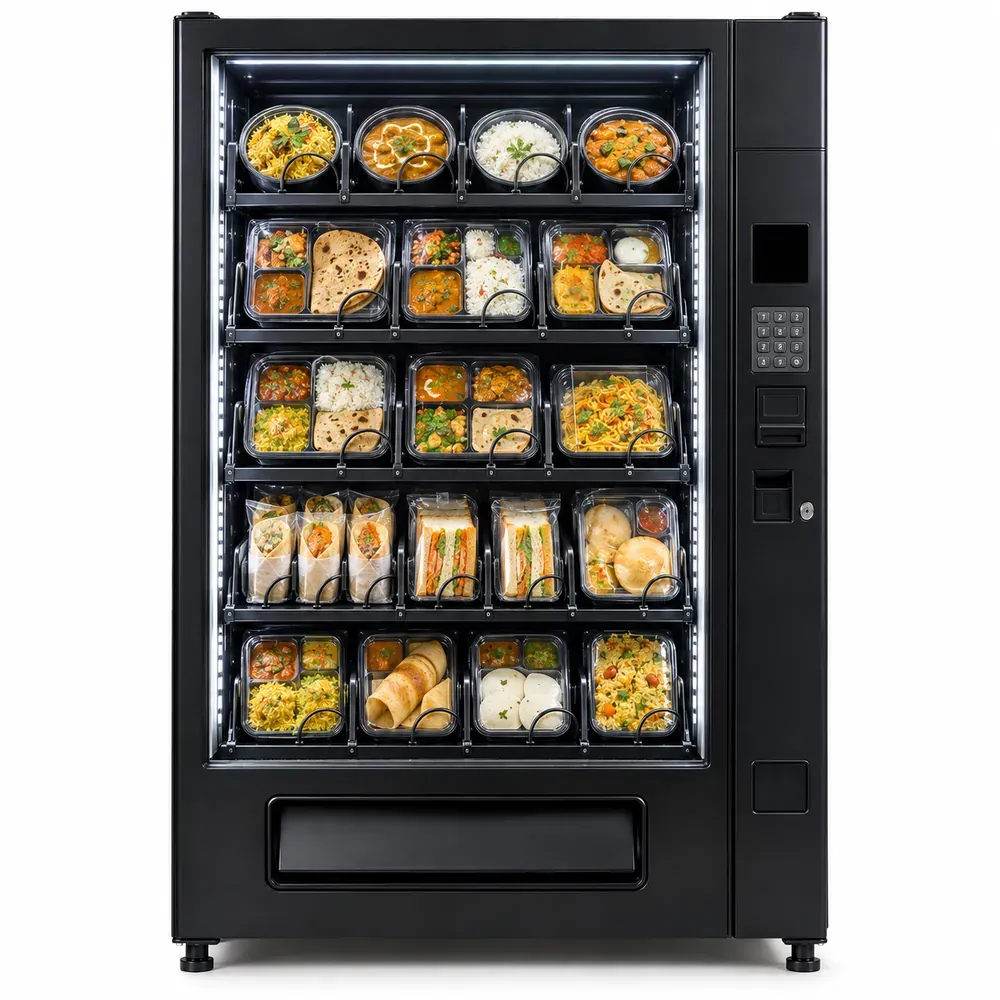
Dispenses packaged Indian meals such as dal-rice, rajma, biryani and thali meals.
Best for
Have a different kind of site? Ask us whether it fits.
What it can stock
The final range is planned with you for each site, with food and drink to be stocked in FSSAI-compliant packaging.
Key points
Specifications
Sizes, capacity and hardware depend on the model and configuration we agree for your site. We share a spec sheet with your quote; the safety certification that applies to this model (such as BIS, where required) is confirmed in your written quote, and you can ask us for the documents.
Smart features
Options vary by model and are confirmed in your quote.
UPI QR, cards and wallets through the payment reader.
Browse by category and tap to buy, like the machines in our photos.
Stock levels, sales and alerts on a dashboard, so refills are planned.
Shelf layout and product mix planned around who uses the space.
Signage on the machine body to suit your venue or your brand.
Ways to get it
Pick the model that suits your budget and how hands-on you want to be. Terms are shared with your quote.
For businesses and operators
Own the machine outright and run it your way. We help with configuration, installation and training.
Ask about this option: buy a machineFor offices, campuses and sites
Pay a periodic fee instead of buying upfront, with servicing included as agreed in the contract.
Ask about this option: rent or subscribeFor hosts with space and footfall
We place, stock and maintain the machine; you provide the location. Subject to a site survey.
Ask about this option: we operate itFor entrepreneurs and franchisees
Run machines in your city with our hardware, software and support behind you.
Ask about this option: become a partnerHow we deploy it
Footfall, space, power and who will use it.
Machine model, product mix and payment options.
Delivery, set-up and a test run on site.
Refills planned from remote stock data.
Upkeep and support as per your agreement.
Related machines
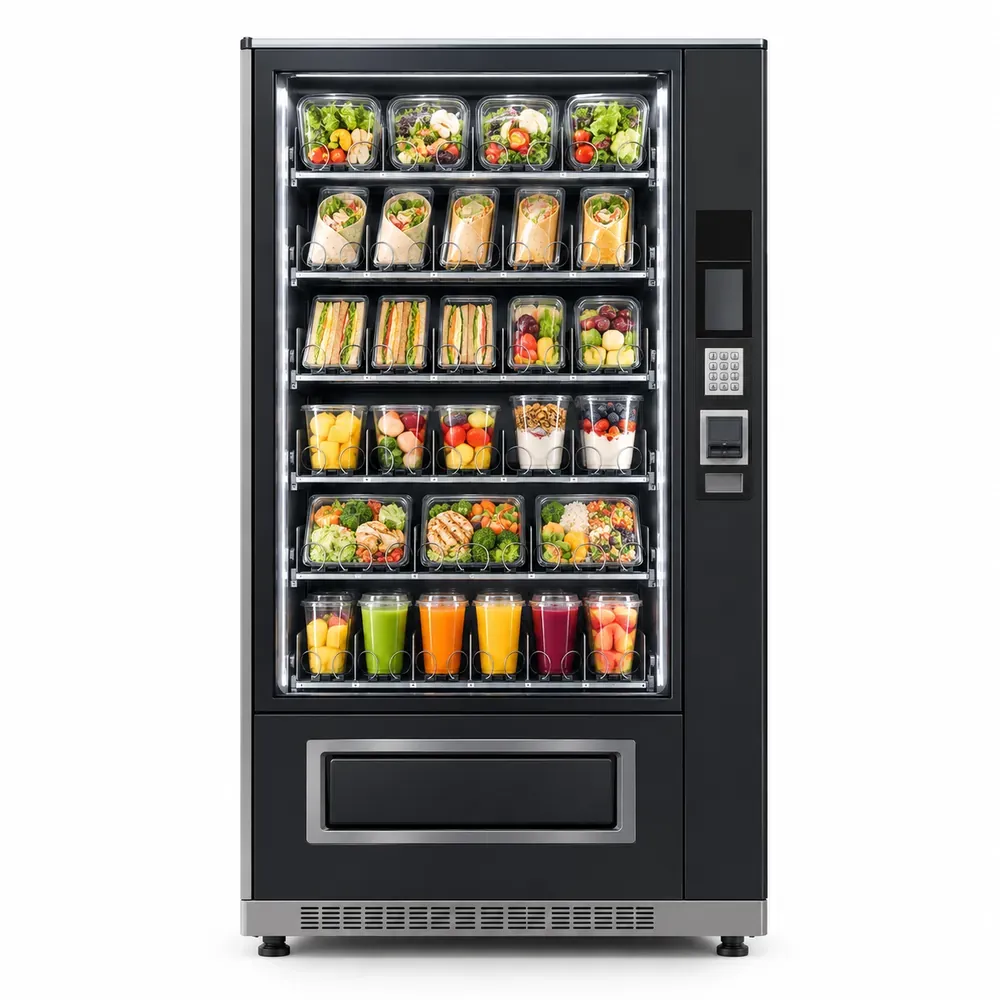
Refrigerated machine selling ready-to-eat meals, sandwiches, salads and wraps.
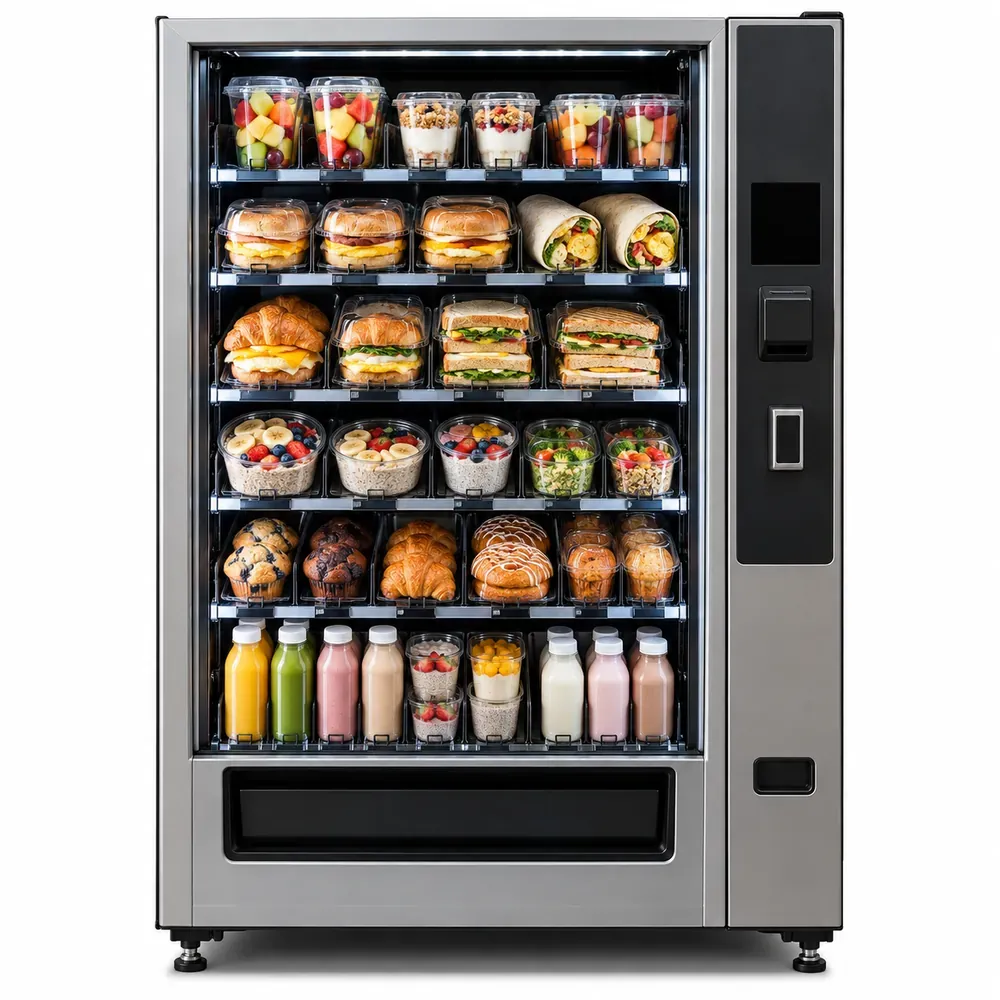
Offers ready-to-eat breakfast items such as poha, upma, idli and sandwiches.
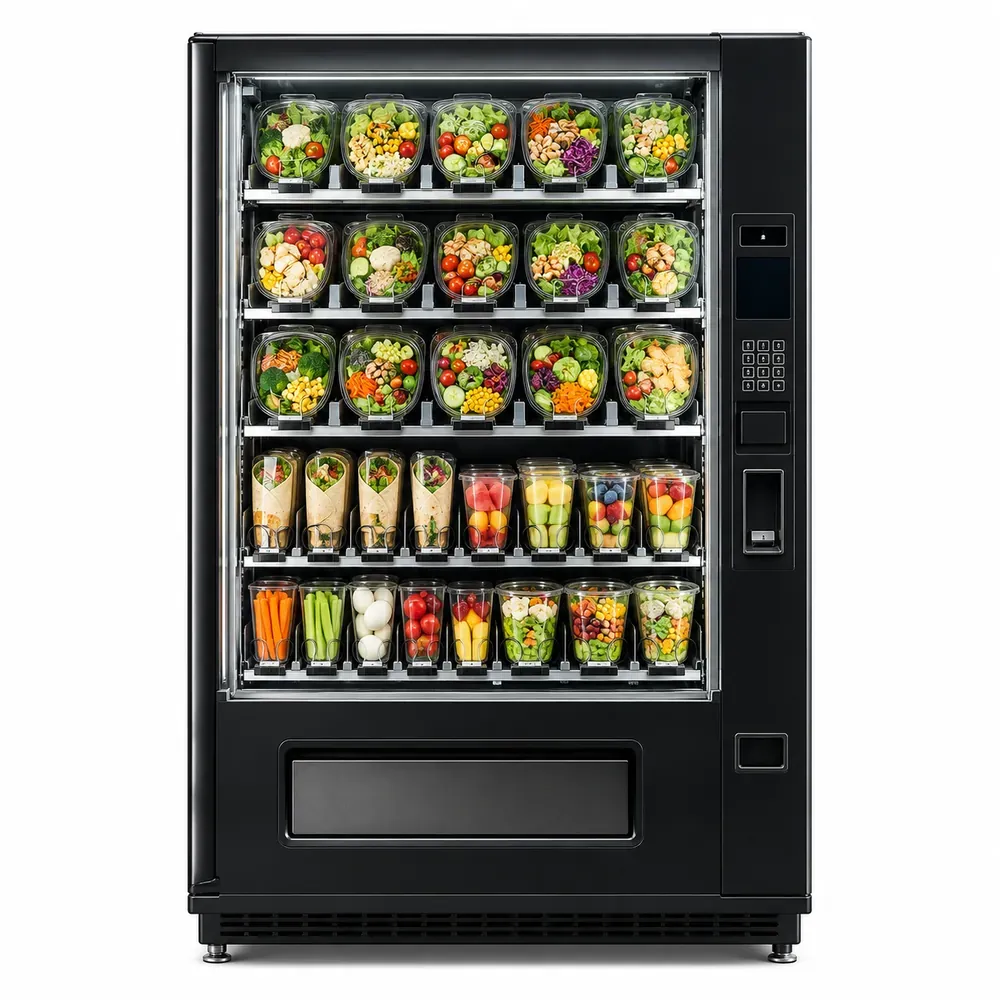
Provides ready-to-eat salads in refrigerated compartments.
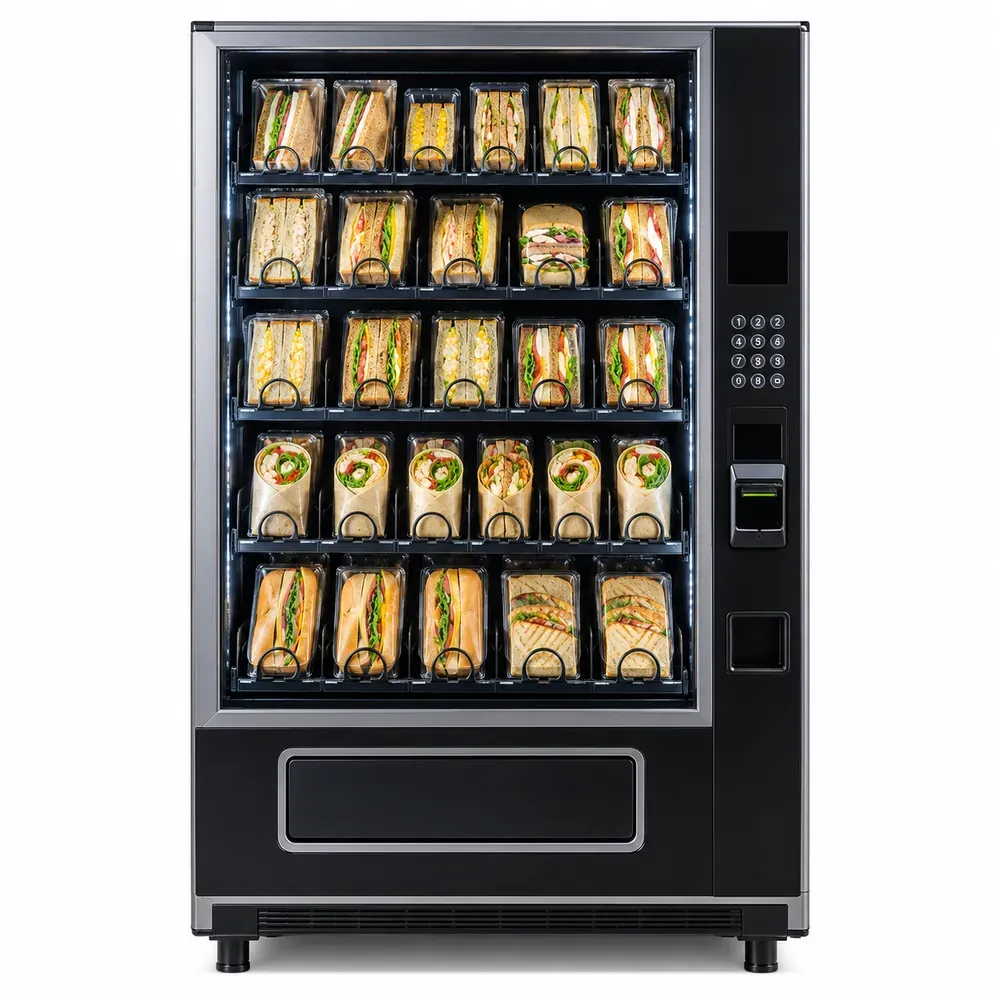
Refrigerated machine selling sandwiches, wraps and rolls.
Tell us where it will go and roughly how many people pass by. We reply with configuration options and the engagement model that suits you.
An Indian meal vending machine lets people buy a proper packed lunch or dinner, such as dal-rice, rajma-chawal, biryani or a mini thali, at any hour without a counter or cashier. For offices, hostels and campuses, it bridges the gap between a closed canteen and a hungry team. This guide explains what to stock, how food stays safe, where the machine works well and how to plan refills and payments before you ask for a quote.
Most Indians think of lunch as a full meal, not a sandwich. A biscuit packet or a cup of noodles fills the stomach for an hour, but it does not feel like real food. That is why a meal machine stocked with familiar dishes gets used in a way that a snack machine often does not.
Many workplaces and campuses face the same problem. The canteen runs on fixed hours. Staff on late shifts, students after evening classes and teams working through lunch end up skipping a meal or ordering outside. An Indian meal vending machine keeps a small, steady menu ready around the clock.
Here is what it usually helps with:
An Indian meal vending machine does not replace a canteen. It extends food hours and takes some pressure off the peak.
This Indian meal vending machine dispenses packaged Indian meals such as dal-rice, rajma, biryani and thali meals, as listed in the machine details above. The best menus keep things simple, filling and familiar to the people who will eat there.
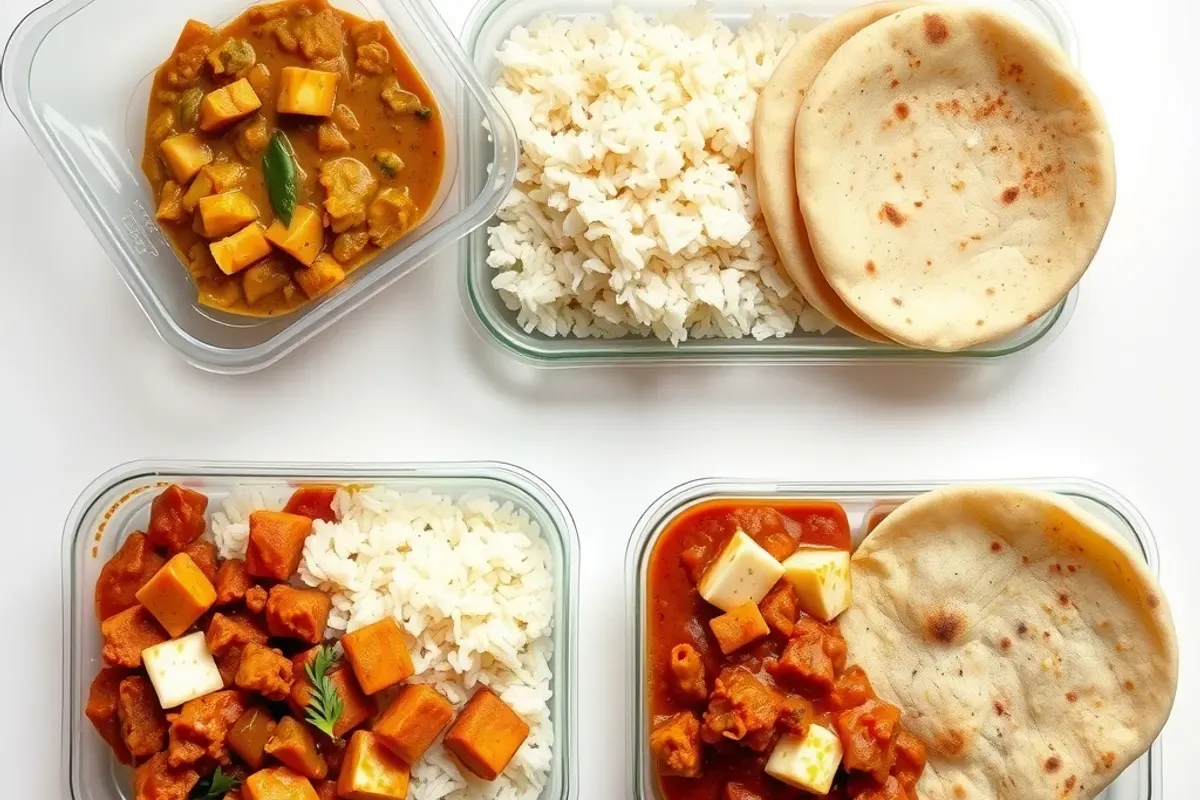
Offer a mix of rice and roti meals, at least one light option and at least one high-protein dish. In many regions, curd rice or khichdi sells well in hot months, while rajma and chole stay popular all year.
Keep four to six dishes at first. Too many choices make stock hard to manage and increase waste. Rotate one or two dishes every few weeks so regular users do not get bored. For quick breakfast items or light bites, you can also pair this machine with a breakfast vending machine.
Food safety is the most important part of running an Indian meal vending machine. Packed Indian meals contain rice, dal and gravy, which can spoil quickly if they sit at the wrong temperature.
Most meal machines are chilled cabinets that keep packs cold until they are bought. People then heat the meal in a microwave placed nearby. Some models include built-in heating, so the meal comes out warm. If you want warm meals served straight from the machine, also look at our hot meal vending machine, which is designed for heating on demand.
Whichever type you pick, the cabinet temperature must stay steady. Some models can show the temperature on screen, log it, or stop sales if it rises too high. This is model dependent, so ask us which features your chosen machine offers.
Meals should be stocked in FSSAI-compliant packaging. Each pack should carry the dish name, veg or non-veg mark, ingredients, allergen details, net weight and a clear use-by date. The FSSAI labelling and display rules explain what packaged food labels need to show.
Who holds the food licence depends on the engagement model. Sometimes it is the kitchen that prepares the food, sometimes the operator, and sometimes the site. Confirm this clearly before the machine starts selling.
Simple habits make the biggest difference:
The WHO food safety fact sheet is a useful plain-language read on why cold storage and clean handling matter.
Placement decides whether an Indian meal vending machine is busy or ignored. The machine details list offices, hostels and campuses as the most natural fits, and the reasons are easy to see.
In offices, an Indian meal vending machine helps people who work through lunch, arrive late or stay back for calls with other time zones. It also cuts down on food delivery riders at reception. Place it in the pantry or near the cafeteria, where people already go for tea or water. Read more about planning food for workplaces on our office vending solutions page.
Hostel messes and college canteens close at set hours, but students study late and often miss meals during exams or labs. An Indian meal vending machine in a hostel block, library lobby or common room fills that gap. Our campus vending solutions page covers how machines fit into college and university life.
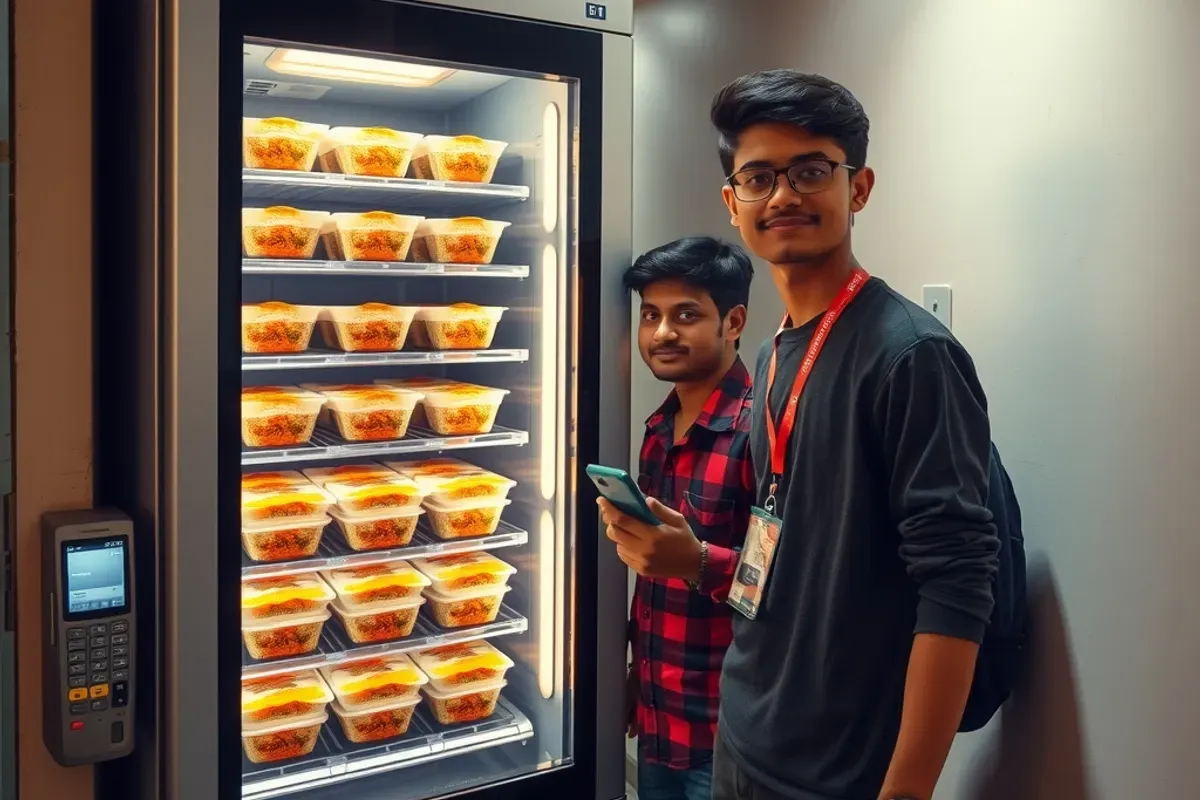
A machine only helps if people find it simple. Keep the selection screen clear, with dish names, veg or non-veg marks and pictures where possible. Make sure the payment area and pickup tray are at a comfortable height, including for wheelchair users. Leave enough space in front so a small queue does not block a corridor. Put up a short note with the support contact and refund process so users know what to do if a vend fails. These small touches build trust, and trust is what turns a new Indian meal vending machine into a regular lunch habit for your team.
Before you decide, it helps to compare an Indian meal vending machine with other ways of feeding a team. The table below gives a general picture. Your actual costs and results depend on your site, headcount and engagement model.
| Option | Hours of service | Staff needed on site | Menu variety | Best for |
|---|---|---|---|---|
| Full canteen | Fixed hours | Cooks, servers, cashier | Wide | Large sites with steady daily footfall |
| Food delivery apps | Depends on area | None, but riders at the gate | Very wide | Individuals with time to wait |
| Snack vending machine | Round the clock | Refill team only | Snacks and drinks | Quick bites, not full meals |
| Indian meal vending machine | Round the clock | Refill team only | Four to eight full meals | Lunch and dinner at any hour |
| Hot meal machine | Round the clock | Refill team only | Heated meals | Sites wanting food served warm |
Many sites combine two options. For example, a canteen for peak lunch and an Indian meal vending machine for late hours. A snack vending machine next to it can cover tea-time cravings.
An Indian meal vending machine sells perishable food, so stock planning matters more than with snacks.
Most sites buy packed meals from a local kitchen, caterer or cloud kitchen that already cooks and labels food. Look for a supplier who can deliver on a fixed schedule, pack in FSSAI-compliant packaging and print clear use-by dates. Depending on the engagement model, you may pick the supplier yourself, or you can ask us whether a managed supply option is available for your site.
Chilled Indian meals usually have a short shelf life, often a day or a few days, depending on the dish and the packing method. Plan refills around the shortest date in your menu. Busy offices may need a daily refill, while a smaller hostel block might manage with alternate days if the dishes allow it.
People search for this kind of machine in many ways. Some call it a thali vending machine, others a packaged meal vending machine or a dal rice vending machine. HR teams often look for a lunch vending machine for office use. All of these describe the same basic idea, but the right menu changes from site to site.
Office teams usually want a quick, filling lunch that does not leave them sleepy. Lighter thalis, dal-rice with sabzi, and paneer or egg curry with roti work well. Keep portion sizes moderate and add one low-oil dish for health-conscious staff. An Indian meal vending machine in an office often sells most between noon and 3 pm, and again in the evening for late teams.
Students want larger portions at a fair price. Biryani, rajma-chawal, chole-chawal and khichdi tend to be popular. Late-night demand can be strong around exams, so keep some stock for those hours. If the hostel serves students from different states, mix North and South Indian dishes so everyone finds something familiar.
Ask users for feedback every month, either through a short form or a QR code near the machine. Drop the weakest dish and test a new one. This simple habit keeps an Indian meal vending machine busy long after the first few weeks of excitement.
People in India now expect to pay by UPI almost everywhere, and an Indian meal vending machine is no different.
Many machines accept UPI QR codes, and some also take cards, coins or notes. Some models can link to company wallets, employee ID cards or coupon codes, so an employer can subsidise meals. These features are model dependent and optional, so tell us how your team pays today.
Some models can send low-stock alerts, show remote sales reports, track cabinet temperature and handle refunds for failed vends. These features are model dependent. They help the refill team plan visits and keep food fresh. See how these tools work on our smart vending page.
We do not publish fixed prices because the cost depends on the machine type, features, menu, location and who runs it day to day.
Common setups in the industry include buying the machine outright, renting it, or having an operator place and run it on your premises. These engagement models are not yet confirmed for every site, so ask us whether each one is available for you. If you want to compare machines first, our vending machine finder suggests options based on your venue and needs. Any BIS or safety certification for the chosen model is confirmed in your written quote.
Following these steps makes the first few weeks smoother and helps the Indian meal vending machine settle into daily routine quickly.
Ready to plan an Indian meal vending machine for your office, hostel or campus? Share your site details, expected daily users and preferred menu, and we will suggest a suitable setup. Request your free Indian meal vending machine quote today.
Yes, many sites stock both, but keep them clearly apart. Use separate shelves or rows, label every pack with the green or brown food mark, and make sure the screen shows which item is which. Some campuses prefer a fully vegetarian menu, so check your site's policy before you plan the mix.
Start small and learn. A good first order is a little below the number of people you expect to eat from the Indian meal vending machine each day, spread over four to six dishes. Track what sells out and what comes back unsold for two weeks, then adjust the quantity and the menu.
That depends on the engagement model. In some setups the site owner decides the price, in others the operator does, and some employers subsidise part of it. We do not publish fixed prices here. Share your budget and expected footfall, and we will explain the options in your written quote.
It depends on the machine you choose. A chilled machine keeps meals cold, so most sites place a microwave nearby for self-heating. If you want food served warm straight from the machine, look at a model with built-in heating. We help you compare both during the site survey.
Unsold packs past their use-by date must be removed and not sold. A careful refill team checks dates on every visit and pulls old stock first. Over time, sales data helps you order closer to real demand, which keeps waste low. Agree on who handles disposal before the machine goes live.
Yes, it works well alongside a mess. It covers the hours the mess is closed, such as late evening or early morning, and helps students who miss a meal because of classes or exams. It is a support, not a replacement, so plan the menu around what the mess already serves.