
Best for
Places this machine suits
Have a different kind of site? Ask us whether it fits.
Catalogue
50 machine types for every place people gather.
By venue
Machine mixes planned around where they stand.
Lifestyle
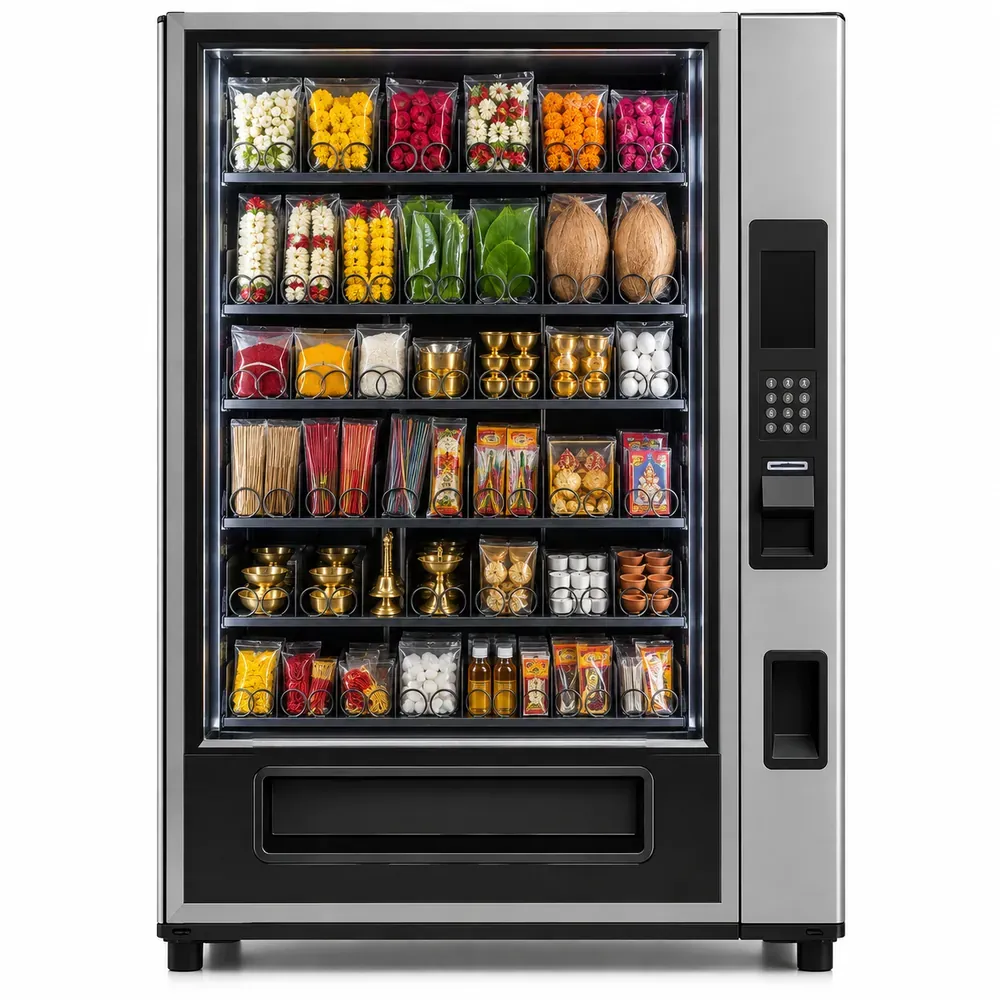
Provides commonly needed religious/puja products.
Best for
Have a different kind of site? Ask us whether it fits.
What it can stock
The final range is planned with you for each site.
Key points
Specifications
Sizes, capacity and hardware depend on the model and configuration we agree for your site. We share a spec sheet with your quote; the safety certification that applies to this model (such as BIS, where required) is confirmed in your written quote, and you can ask us for the documents.
Smart features
Options vary by model and are confirmed in your quote.
UPI QR, cards and wallets through the payment reader.
Browse by category and tap to buy, like the machines in our photos.
Stock levels, sales and alerts on a dashboard, so refills are planned.
Shelf layout and product mix planned around who uses the space.
Signage on the machine body to suit your venue or your brand.
Ways to get it
Pick the model that suits your budget and how hands-on you want to be. Terms are shared with your quote.
For businesses and operators
Own the machine outright and run it your way. We help with configuration, installation and training.
Ask about this option: buy a machineFor offices, campuses and sites
Pay a periodic fee instead of buying upfront, with servicing included as agreed in the contract.
Ask about this option: rent or subscribeFor hosts with space and footfall
We place, stock and maintain the machine; you provide the location. Subject to a site survey.
Ask about this option: we operate itFor entrepreneurs and franchisees
Run machines in your city with our hardware, software and support behind you.
Ask about this option: become a partnerHow we deploy it
Footfall, space, power and who will use it.
Machine model, product mix and payment options.
Delivery, set-up and a test run on site.
Refills planned from remote stock data.
Upkeep and support as per your agreement.
Related machines
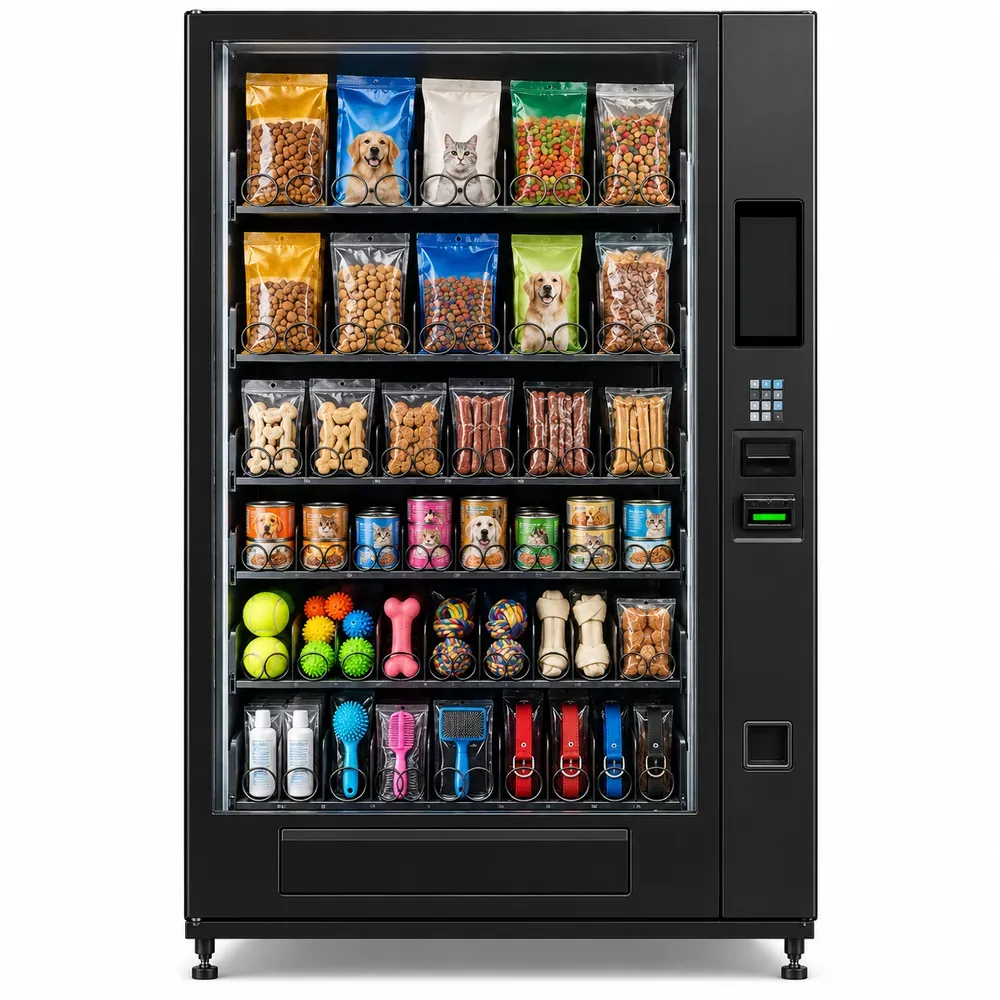
Dispenses pet food and treats.
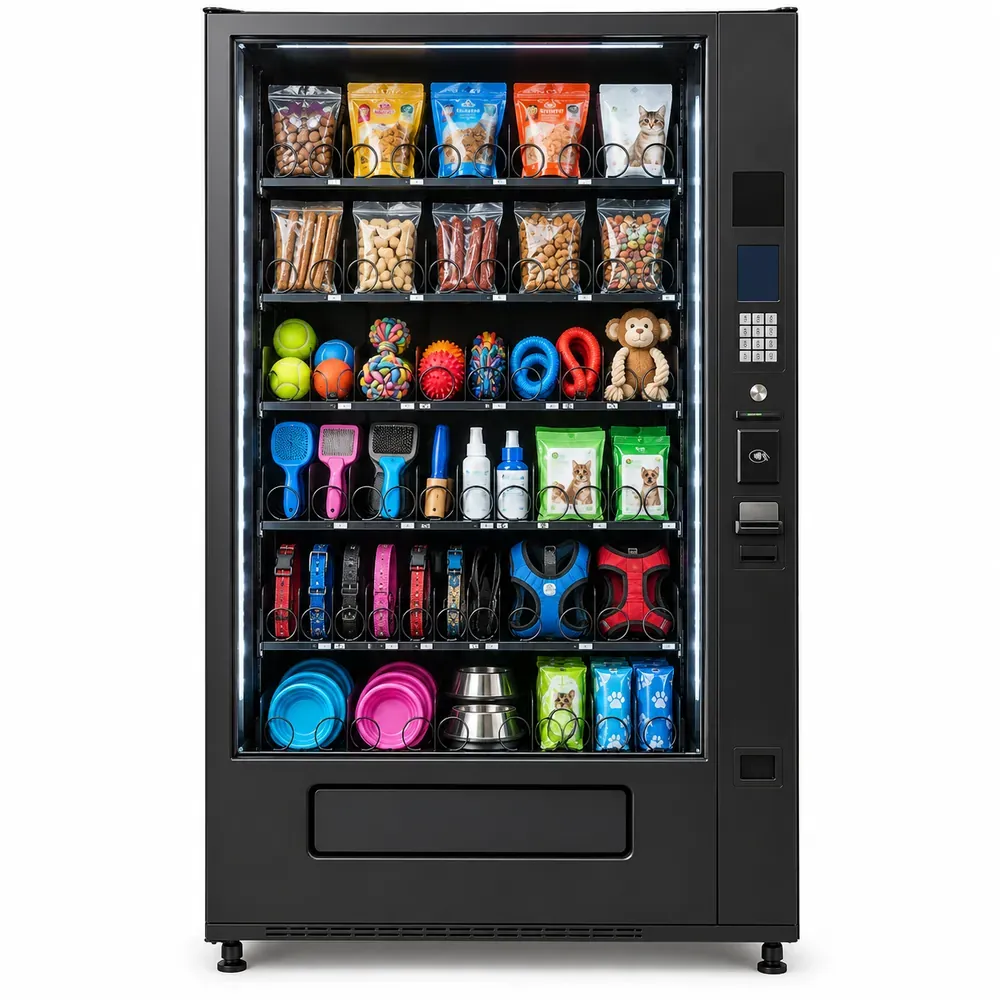
Provides pet-care products such as poop bags, wipes and toys.
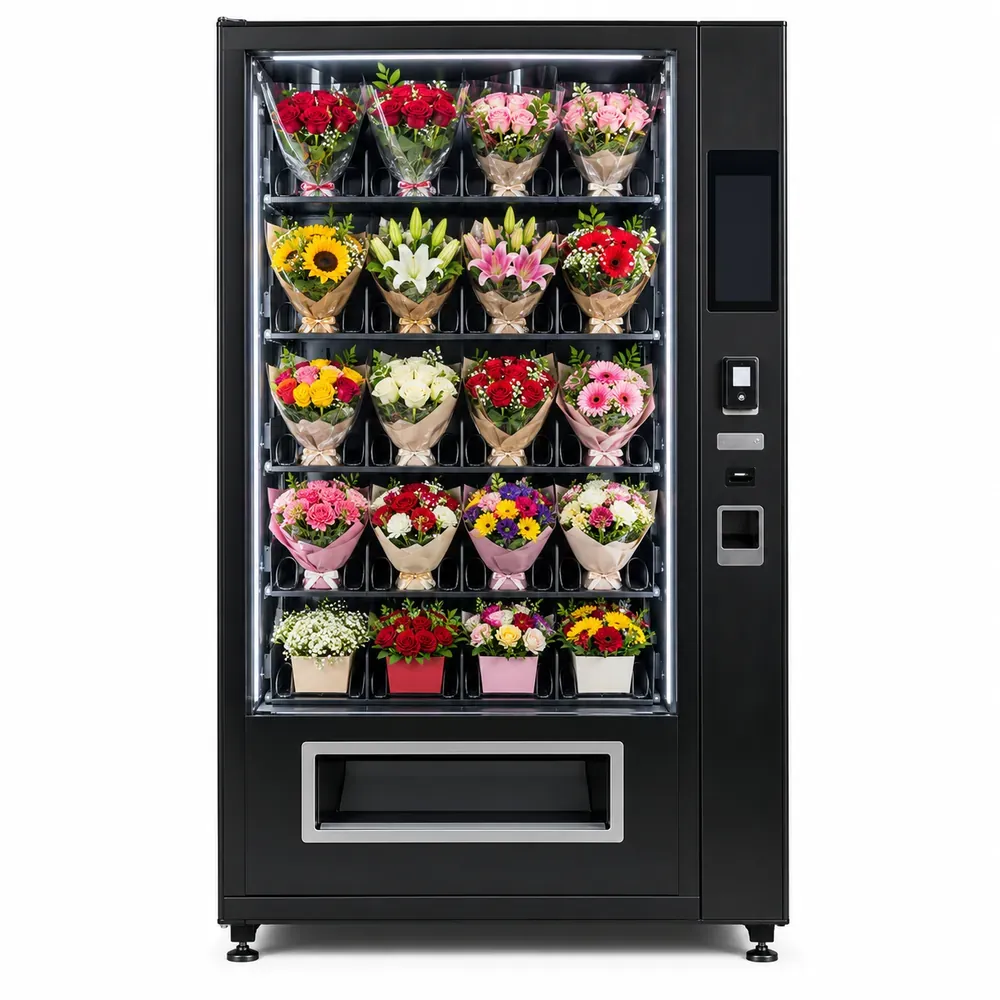
Sells bouquets and individual flowers through refrigerated/display compartments.
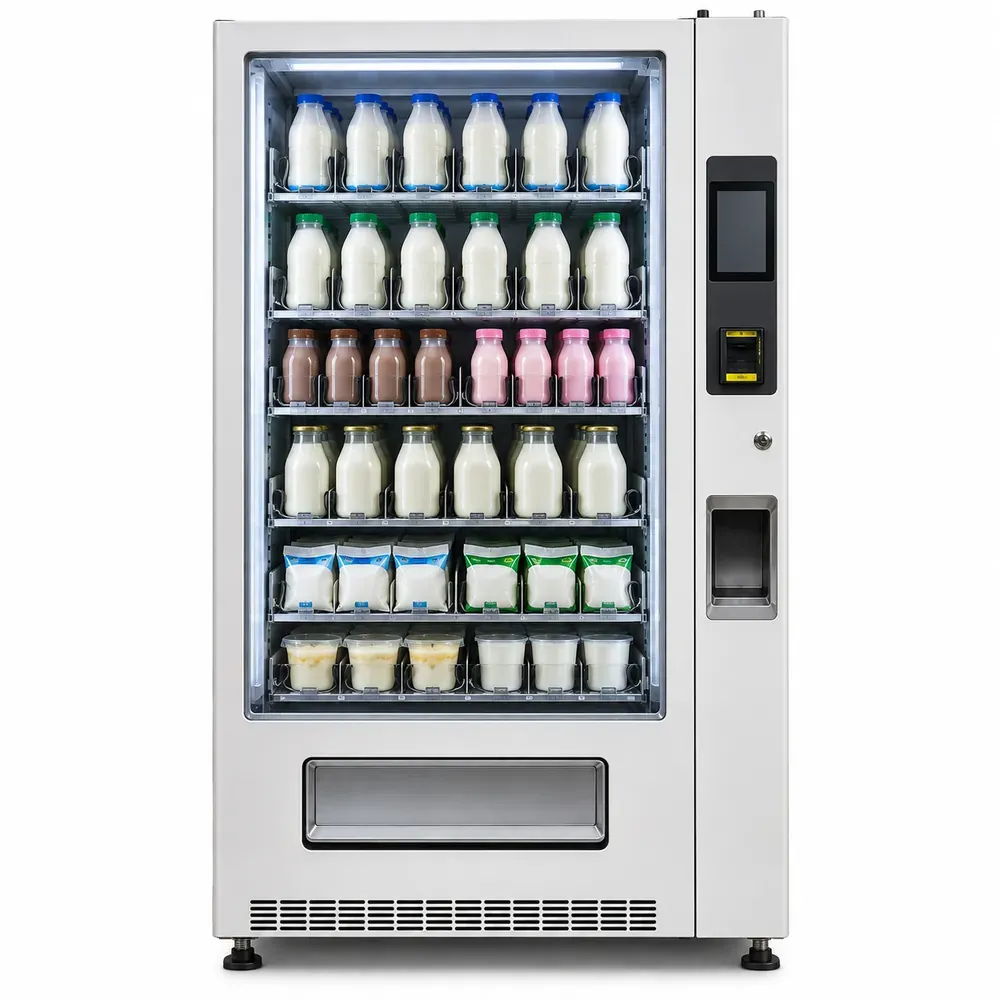
Dispenses chilled or fresh milk through automated payment.
Tell us where it will go and roughly how many people pass by. We reply with configuration options and the engagement model that suits you.
A puja essentials vending machine is a self-service unit that sells small, sealed items people need for daily worship and festivals. Think incense sticks, camphor, cotton wicks, matchboxes and small packs of roli or kumkum. In many Indian homes, worship is a daily routine, and running out of one small item can stop it. A puja essentials vending machine placed where people already pass gives them a quick fix at any hour.
Local shops usually cover this need well, but they close early, keep festival-day queues and are sometimes far from a new housing society. Early mornings and late evenings are exactly when many people want to light a lamp or start a puja. A puja essentials vending machine that is open around the clock fills that gap without needing a staffed counter.
This guide explains how to plan, stock, place and run a puja essentials vending machine. It focuses on practical choices that decide whether people use it or walk past it, and it treats the products and the places with the respect they deserve.
The flow is the same as in a standard snack machine. Each product sits in a numbered slot. The user picks an item, pays and collects the pack from a pickup tray.
Smart features such as remote stock alerts, sales reports and price changes from a phone are optional and depend on the model. Ask us which features the shortlisted machine supports before you finalise.
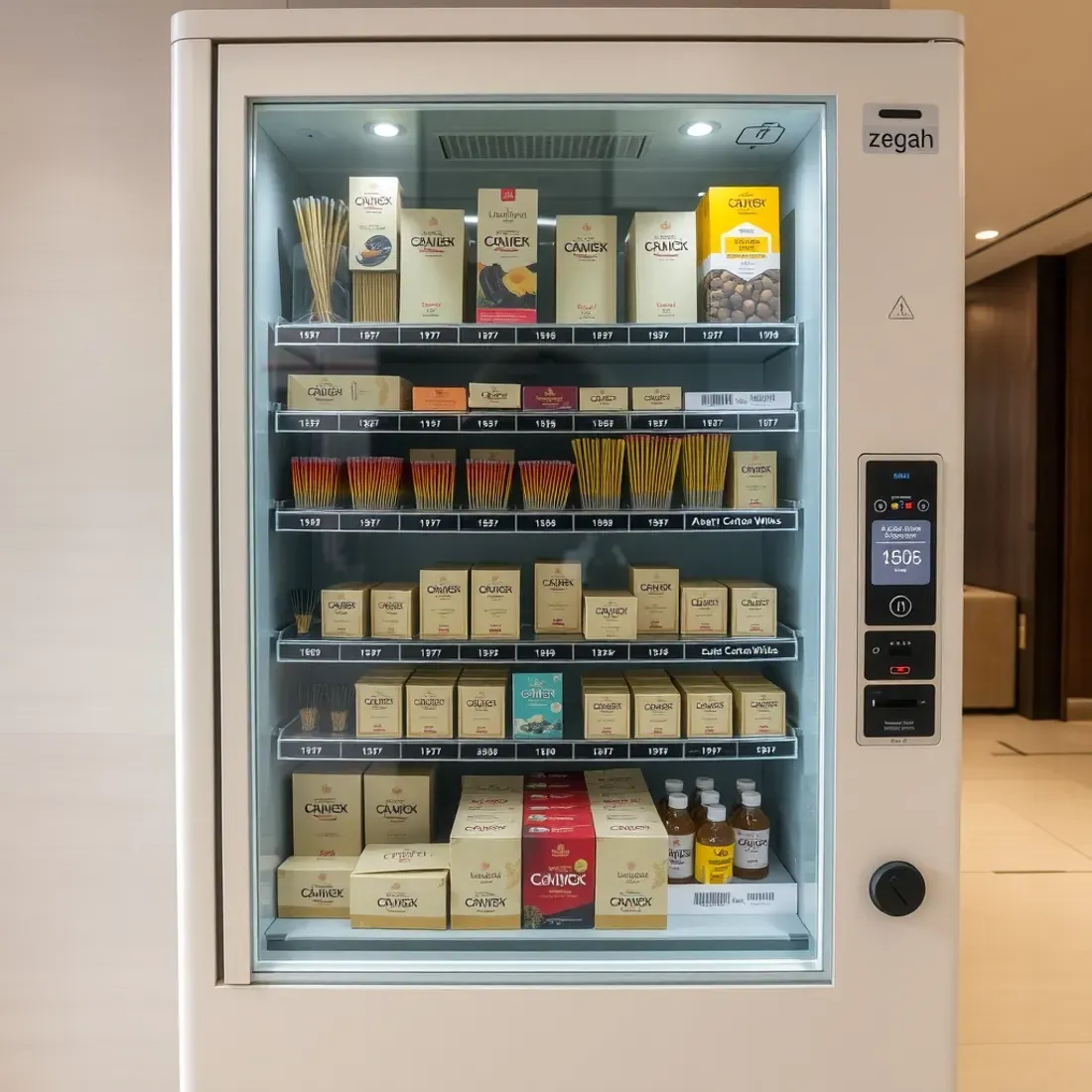
Puja items come in many shapes. A slim incense packet, a round camphor tin, a small oil bottle and a box of matches each behave differently inside a machine.
A well-planned agarbatti vending machine or puja samagri vending machine often mixes two of these. Measure your top-selling packs and share the sizes with us, so the slot plan fits real products and not guesses.
The right product mix decides most of your sales. Start with items people use every week, and keep the first list short and simple.
| Product type | Typical pack | Slot fit | Why it sells |
|---|---|---|---|
| Incense sticks (agarbatti) | Slim sealed packets | Standard spiral | Daily use in most homes |
| Camphor | Small tins or sealed boxes | Standard spiral | Needed for aarti |
| Cotton wicks | Small bags or bundles | Wide coil | Used with oil lamps |
| Matchboxes | Single or small packs | Standard spiral | Small, cheap, often forgotten |
| Roli and kumkum | Small sealed packs | Standard spiral | Common for tilak and puja |
| Small oil bottles | Sealed, leak-proof bottles | Wide coil or locker | Lamps and diyas |
| Diya sets | Small boxed sets | Locker or wide coil | Festival demand |
Sell only sealed, labelled packs from reliable suppliers, and check dates and packaging at every refill. Some items, like camphor, matches and lamp oil, are flammable, so follow the storage guidance on the label and any local rules. Ask your supplier which standards apply to their products, and keep that information on file. The Bureau of Indian Standards website is a useful place to learn how Indian product standards work.
If the machine also sells edible items such as sealed sweets or dry fruit packs, those should be stocked in FSSAI-compliant packaging. The Food Safety and Standards Authority of India explains the current rules for packaged food. Who holds any food licence depends on the engagement model, so agree on this in writing. Many operators keep a religious items vending machine to non-edible products first, then add more later.
In the first few weeks, stock fewer brands and more units of the fast movers. Track what sells, what sits and what people ask for. Then swap slow rows for items that visitors request. Festival weeks such as Diwali, Navratri or Ganesh Chaturthi will change demand, so plan extra stock for those periods.
Placement matters as much as the product list. A puja essentials vending machine hidden in a basement corner will sell little, while one near the daily path of worshippers will be noticed.
Good locations usually share a few traits. They see steady footfall at the right times of day, they have a safe power point and they stay dry in the monsoon.
Our residential vending solutions page explains how machines fit into gated communities and societies, including approvals from the managing committee. For transit hubs, see travel hub vending solutions.
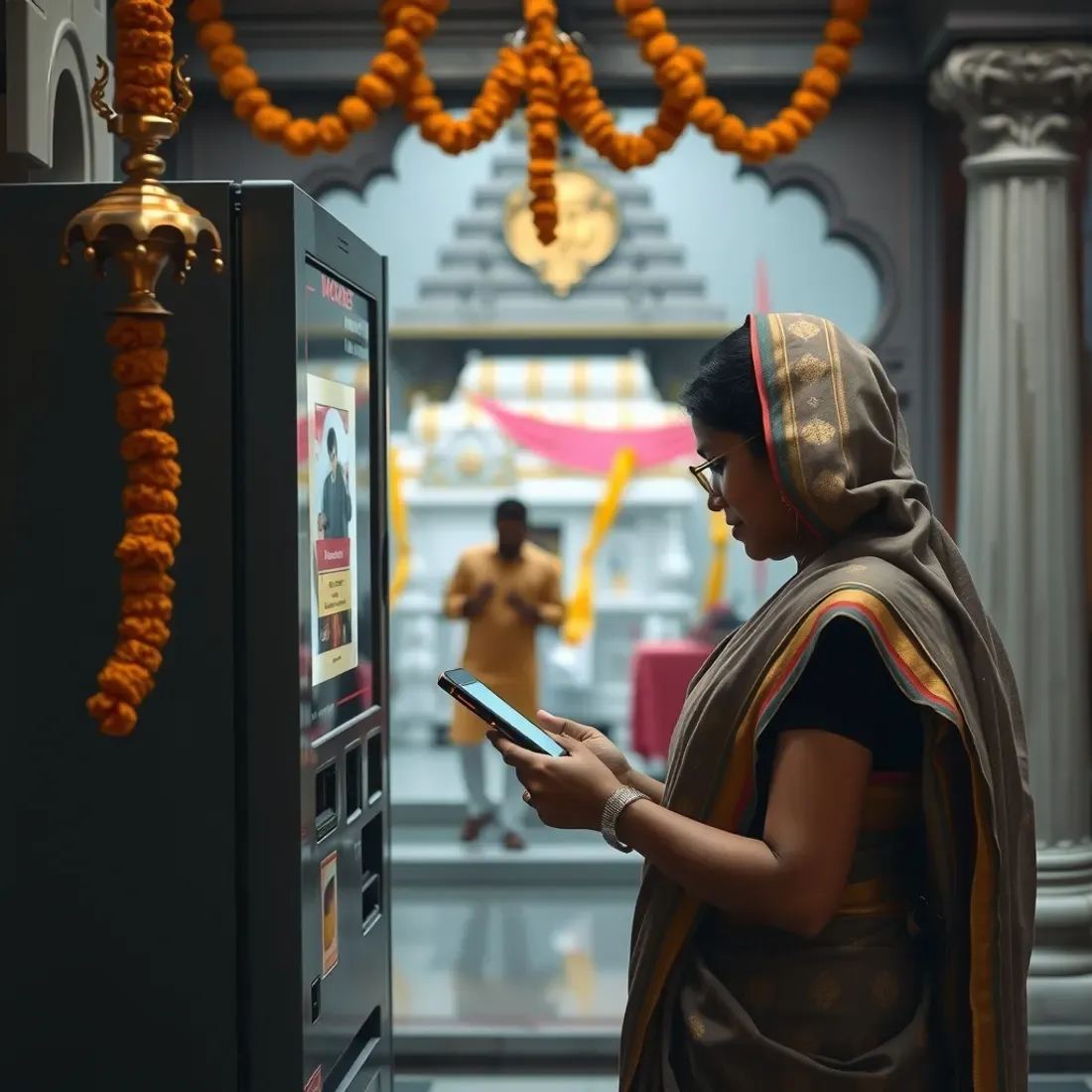
Walk the spot at different times of day. Check that the floor is level and can take the weight of a loaded machine. Make sure there is shade, since direct sun can heat packs and fade labels. Confirm that a stable mobile network or Wi-Fi signal is available if you want UPI payments and remote alerts.
Think about the surroundings too. A puja essentials vending machine near a place of worship should look tidy and respectful. Keep the area clean, keep a dustbin close and avoid placing it directly in front of the sanctum or in a narrow passage where queues form. Speak to the trust or committee early, because they know what suits the place.
Puja items are not ordinary snacks, and the way a machine is presented matters. Use calm, simple styling. Avoid loud advertising or any imagery that could offend. Take advice from local priests or committee members before you finalise the look.
Different communities use different items. A puja essentials vending machine in a South Indian neighbourhood may need different products than one in the north, and festival habits vary by region. A short survey of residents or a talk with the local priest will tell you more than any general list. This is why we suggest a small first stock and quick changes based on real sales.
At temples and other shared spaces, the management usually decides. At societies, the managing committee decides. Get written approval, and agree on rules such as which products are allowed, where the machine can stand and who handles complaints. A temple essentials vending machine works best when the people who care for the place support it.
Most Indian users now expect to pay by UPI. A QR code payment is quick and avoids the need for exact change, which matters for small purchases like a matchbox or a packet of incense. UPI is run by the National Payments Corporation of India and works with most Indian banks and payment apps.
Cash and card options can help in places where older visitors are common. Which payment methods are available is model dependent, so confirm them in your quote.
Failed payments and stuck packs will happen now and then. Plan for them from day one.
Quick, fair refunds build trust. People return to a machine they believe will treat them fairly.
A puja essentials vending machine is only as good as its upkeep. Empty rows, damaged packs or a dusty pickup tray will push visitors back to the shop.
Set a written routine and stick to it. A simple plan might look like this:
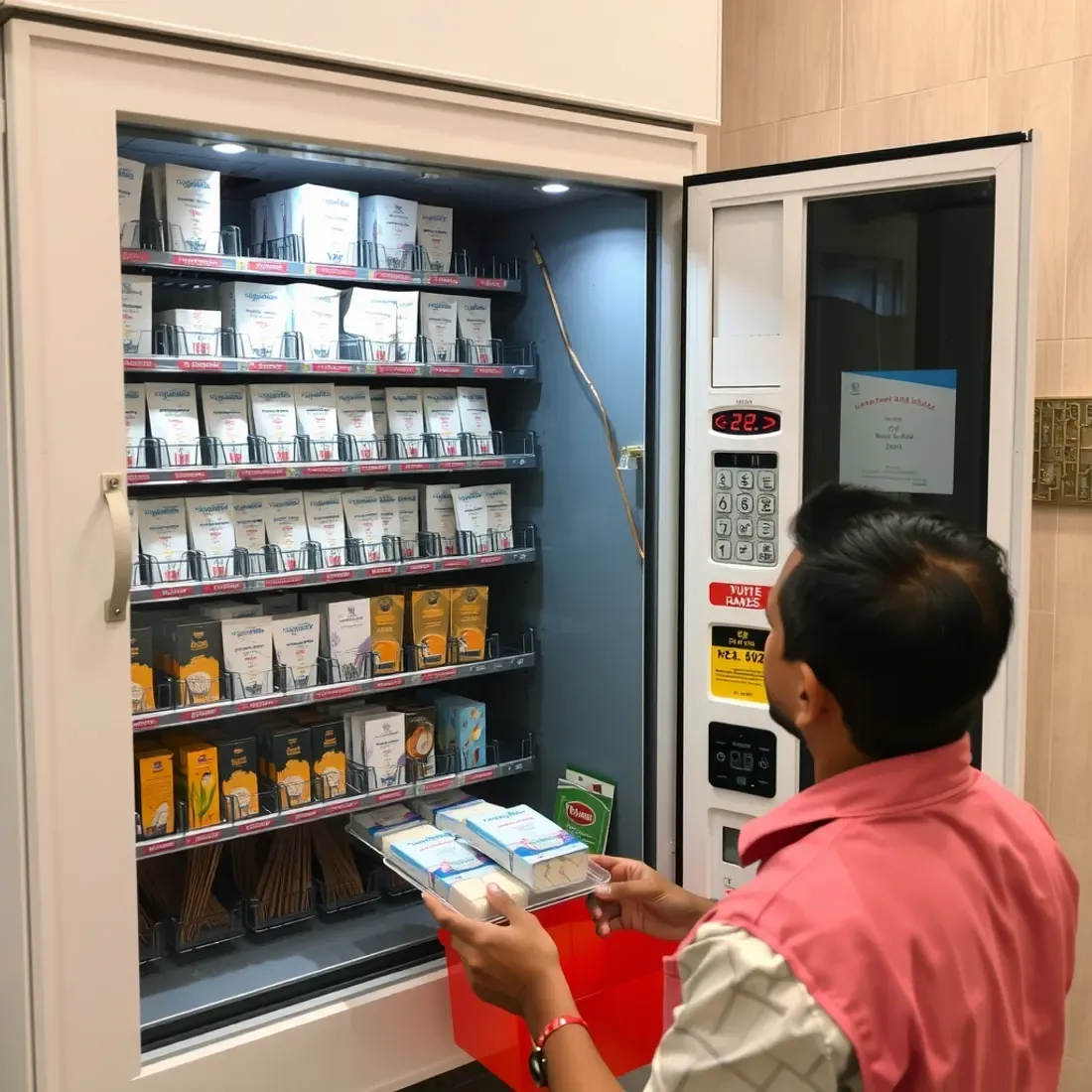
Incense and wicks absorb moisture, and oil can leak in heat. Keep the puja essentials vending machine in a shaded, ventilated spot and check packs often in humid months. Keep matches and camphor away from heat sources. Do not overload the puja essentials vending machine with flammable items, and talk to us about which products are best suited to a vending format.
Electrical safety should never be guessed. Any BIS or other safety certification for the machine will be confirmed in your written quote. Use an earthed power point and keep cables tidy and out of walkways. Place the machine away from open flames, such as lamps and aarti areas.
A puja essentials vending machine is not the only way to give people easy access to puja items. Here is how it compares with common alternatives.
For many sites, the best answer is a mix. The puja essentials vending machine covers urgent and off-hours needs, while larger purchases, fresh items and festival shopping still come from shops.
If your site has fewer regular worshippers, a single-purpose puja essentials vending machine may not get enough sales. A combined unit can carry puja items next to everyday items. Our 24x7 smart convenience store machine page covers wider ranges for mixed use. For fresh offerings, see the flower vending machine, which suits garlands and loose flowers. Travellers may also like the travel essentials vending machine. You can browse all vending machine types to compare sizes and formats.
Demand for puja items can rise sharply around major festivals. Plan for this in advance.
There are different ways to bring a machine to your site. The right one depends on your budget, how much effort you want to put in and the number of regular visitors.
If you are thinking about running machines as a business, our vending machine partner page explains how to start that conversation. Not sure which machine fits your site? Use the vending machine finder to narrow your choices in a few steps.
A few simple errors cause most of the problems we hear about with new machines.
Use this short list before you request a quote:
Ready to plan a puja essentials vending machine for your society, temple approach or tourist stop? Share your site details, expected footfall and product list, and we will help you choose a suitable model. Request a free puja essentials vending machine quote, and you can compare the options that fit your site.
Usually small, sealed, easy-to-dispense items such as incense sticks, camphor, cotton wicks, matchboxes, roli and kumkum packs, small oil bottles and diya sets. The exact list depends on the slot sizes and on what your community actually uses. Share your top items with us and we can suggest a slot plan that fits them.
It can be, as a service point for devotees who arrive without supplies, especially outside regular shop hours. Always speak to the temple trust or management first, since many temples have their own rules about what may be sold near the premises. Placement is often just outside the main entrance or in a nearby waiting area.
They deserve attention. Matches, camphor and oil bottles should be stored in line with the product label and any local rules, away from heat and direct sun. Ask us how the machine handles ventilation and which items are better left out. Any safety certification for the machine will be confirmed in your written quote.
UPI QR payment is the most common option on Indian vending machines and suits low-value puja purchases well. Other payment methods, such as cards or cash, are model dependent. Confirm the payment options for your shortlisted model before you decide.
Sealed edible items should be stocked in FSSAI-compliant packaging, and who holds any licence depends on the engagement model you choose. Agree this in writing at the start. Many sites keep the machine to non-edible puja items to keep things simple.