
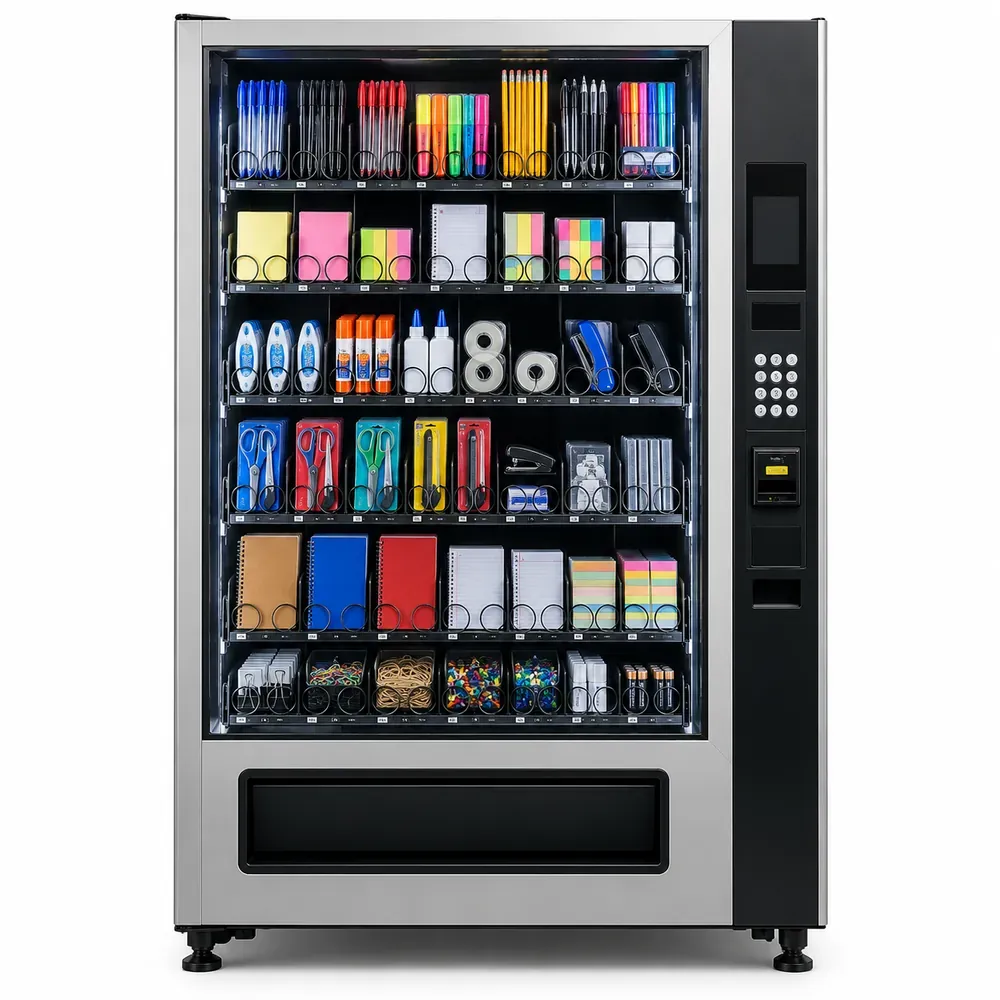
Best for
Places this machine suits
Have a different kind of site? Ask us whether it fits.
Catalogue
50 machine types for every place people gather.
By venue
Machine mixes planned around where they stand.
Workplace & safety
Sells pens, pencils, notebooks, markers and other stationery.
Best for
Have a different kind of site? Ask us whether it fits.
What it can stock
The final range is planned with you for each site.
Key points
Specifications
Sizes, capacity and hardware depend on the model and configuration we agree for your site. We share a spec sheet with your quote; the safety certification that applies to this model (such as BIS, where required) is confirmed in your written quote, and you can ask us for the documents.
Smart features
Options vary by model and are confirmed in your quote.
UPI QR, cards and wallets through the payment reader.
Browse by category and tap to buy, like the machines in our photos.
Stock levels, sales and alerts on a dashboard, so refills are planned.
Shelf layout and product mix planned around who uses the space.
Signage on the machine body to suit your venue or your brand.
Ways to get it
Pick the model that suits your budget and how hands-on you want to be. Terms are shared with your quote.
For businesses and operators
Own the machine outright and run it your way. We help with configuration, installation and training.
Ask about this option: buy a machineFor offices, campuses and sites
Pay a periodic fee instead of buying upfront, with servicing included as agreed in the contract.
Ask about this option: rent or subscribeFor hosts with space and footfall
We place, stock and maintain the machine; you provide the location. Subject to a site survey.
Ask about this option: we operate itFor entrepreneurs and franchisees
Run machines in your city with our hardware, software and support behind you.
Ask about this option: become a partnerHow we deploy it
Footfall, space, power and who will use it.
Machine model, product mix and payment options.
Delivery, set-up and a test run on site.
Refills planned from remote stock data.
Upkeep and support as per your agreement.
Related machines
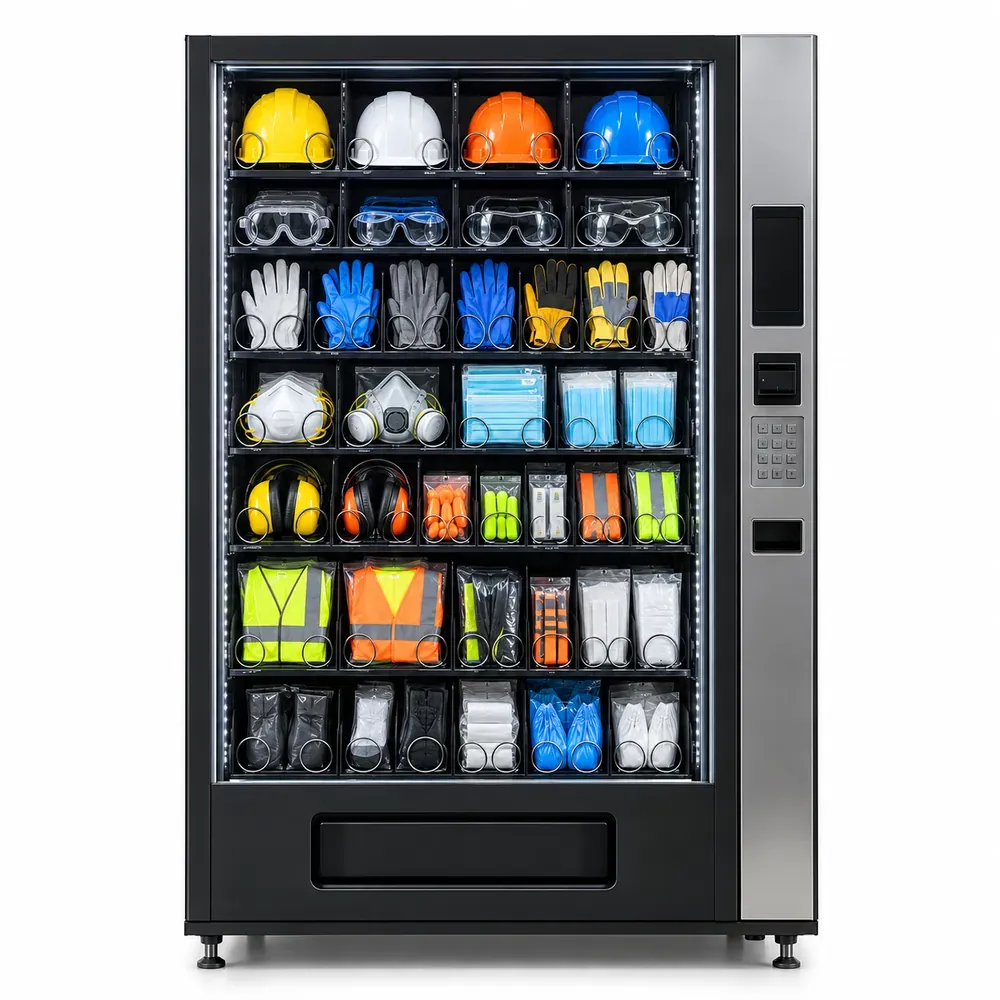
Provides masks, gloves, helmets and other workplace safety supplies.
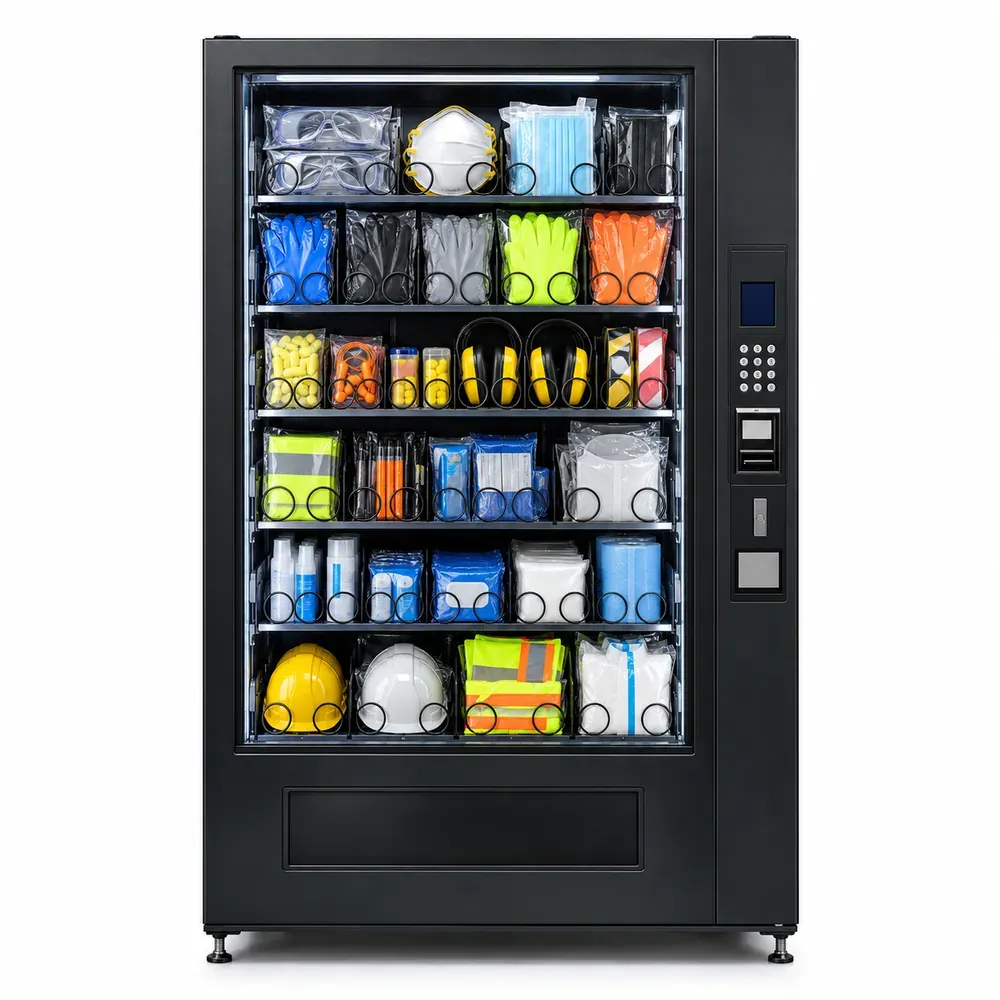
Controlled dispensing of safety consumables to employees.
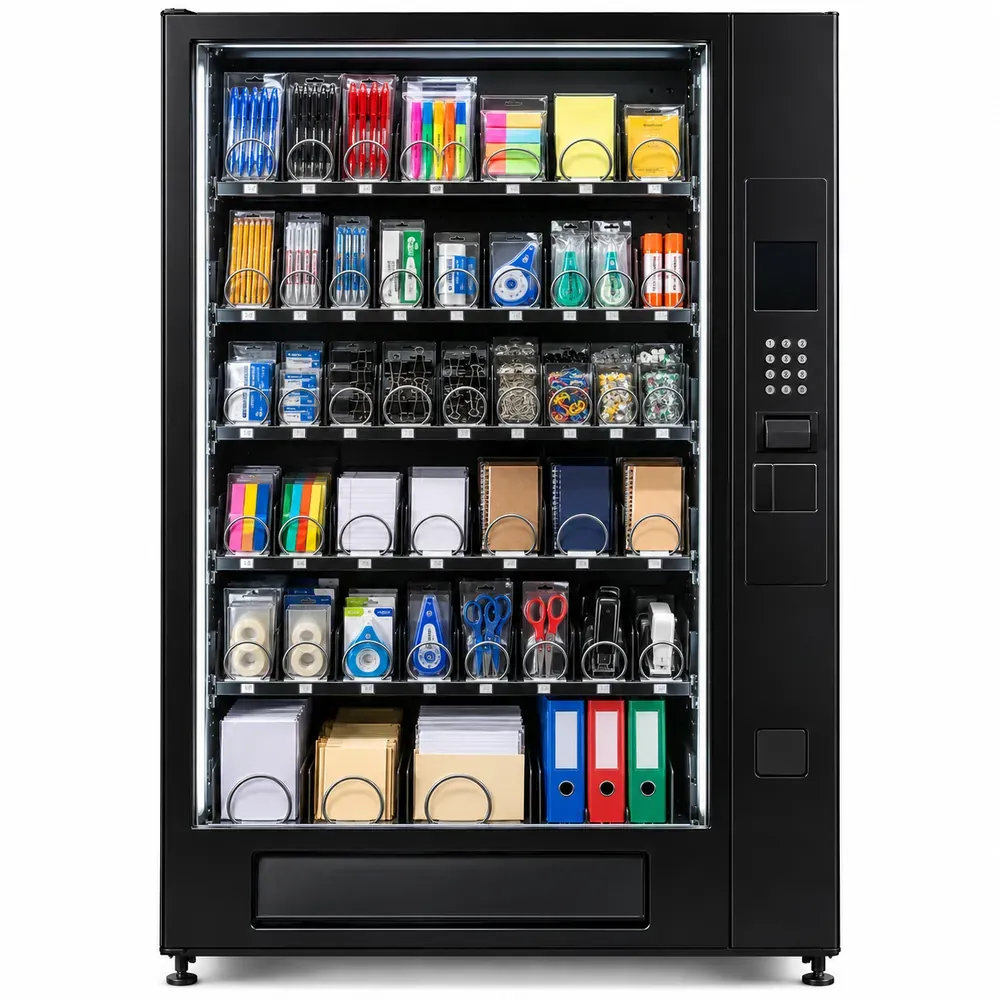
Provides frequently required workplace consumables.
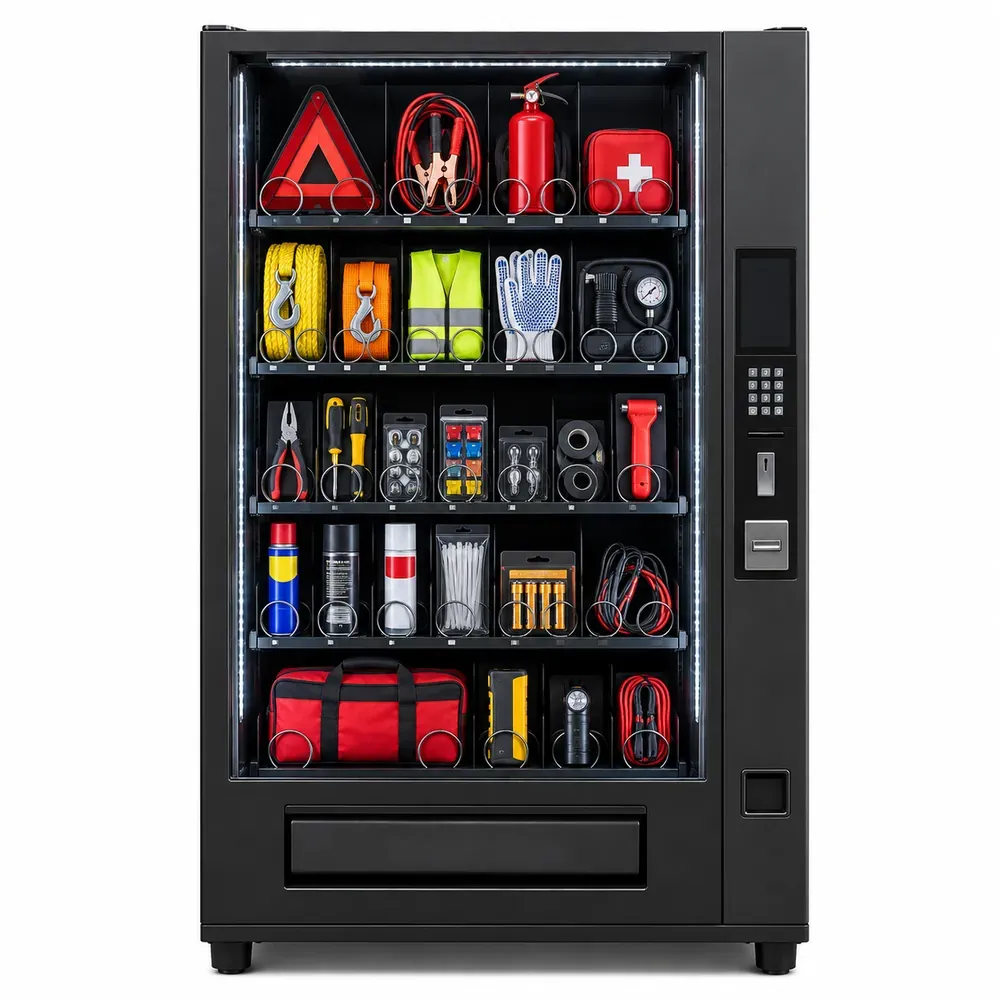
Sells basic emergency vehicle accessories and consumables.
Tell us where it will go and roughly how many people pass by. We reply with configuration options and the engagement model that suits you.
A stationery vending machine is a self-service unit that sells small, sealed items such as pens, pencils, notebooks and markers at any hour. Every student has faced the same small problem: a pen runs dry just before an exam, and the campus shop is shut or a long walk away. A machine placed on the daily path of students and staff fixes that problem in under a minute.
Schools, colleges, offices and libraries all share one pattern. Demand is steady, the products are small and the same few items are bought again and again. That is exactly where vending works well, because a short, well chosen product list can be stocked, tracked and refilled with very little effort.
This guide explains how to plan, stock, place and run a stationery vending machine. It focuses on the practical choices that decide whether the machine becomes a useful daily service or a silent box in a corridor.
The basic flow of a stationery vending machine is the same as a snack machine. Each product sits in a numbered slot behind a glass front. The user picks a slot, pays and the machine drops the item into a pickup tray.
Smart features such as remote stock alerts, sales reports and price changes from a phone are optional and depend on the model you choose. Ask us which features the shortlisted machine supports before you finalise.
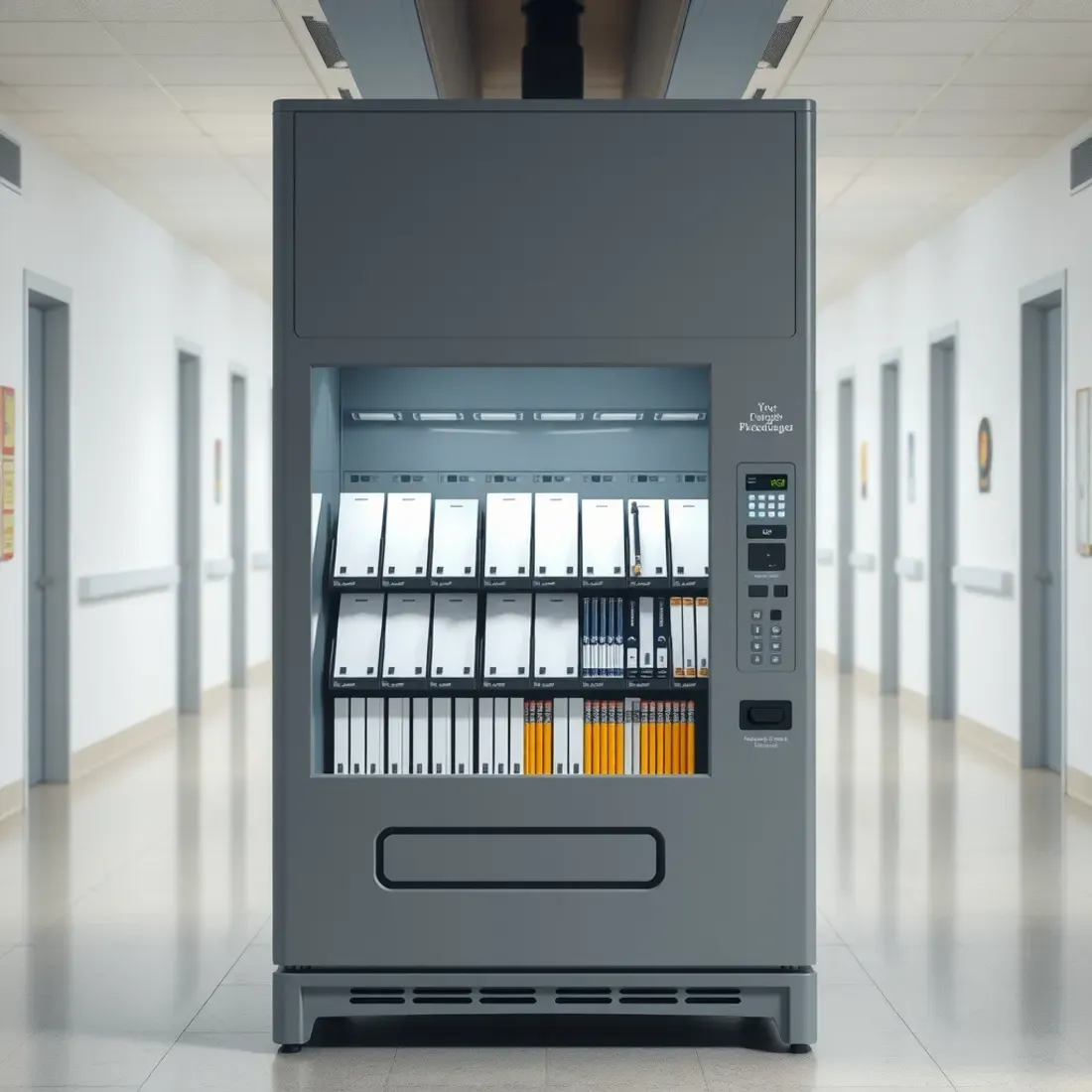
Stationery comes in very different shapes. A slim ball pen, a spiral-bound notebook and a boxed set of sketch pens do not behave the same way inside a machine.
A good pen and notebook vending machine, like any stationery vending machine, often mixes two of these types. Measure your top-selling items and share the sizes with us, so the slot plan fits real products rather than guesses.
The product mix of your stationery vending machine decides most of your sales. Start with the items people buy every week and avoid slow, costly products in the first month.
| Product type | Typical pack | Slot fit | Why it sells |
|---|---|---|---|
| Ball pens and gel pens | Single pens or small packs | Standard spiral | Pens run dry or get lost daily |
| Pencils, erasers, sharpeners | Small packs | Standard spiral | Constant need before tests |
| Notebooks and notepads | Slim notebooks | Wide coil | Last-minute classroom need |
| Markers and highlighters | Small packs | Standard spiral | Used in revision and presentations |
| Sticky notes and flags | Small pads | Standard spiral | Popular in offices and libraries |
| Geometry and drawing items | Boxed sets | Locker door or wide coil | Seasonal peaks in school terms |
A short list of reliable items beats a crowded machine with half-empty rows. Choose plain, well known packs from suppliers you trust, and check that every item is clearly priced on the shelf label.
Avoid sharp or hazardous items, such as blades and loose cutters, especially in school settings. If you are thinking about adding a few snacks or drinks for students, those items should be stocked in FSSAI-compliant packaging. The Food Safety and Standards Authority of India website explains the current rules for packaged food, and who holds any food licence depends on the engagement model you pick.
In the first few weeks with a stationery vending machine, stock fewer item types and more units of the fast movers. Track what sells, what sits and what people ask for. A row that empties every two days is a clear sign to give that product more space, while a row that never moves should be swapped out.
Placement matters as much as the product list. A stationery vending machine in a quiet corner will sell far less than one on the daily path of students and staff.
Good locations usually share a few traits. They see regular foot traffic, have a safe power point and stay dry in the monsoon.
Our campus vending solutions page explains how machines fit into colleges, schools and hostels, while the office vending solutions page covers workplace placement and approvals.
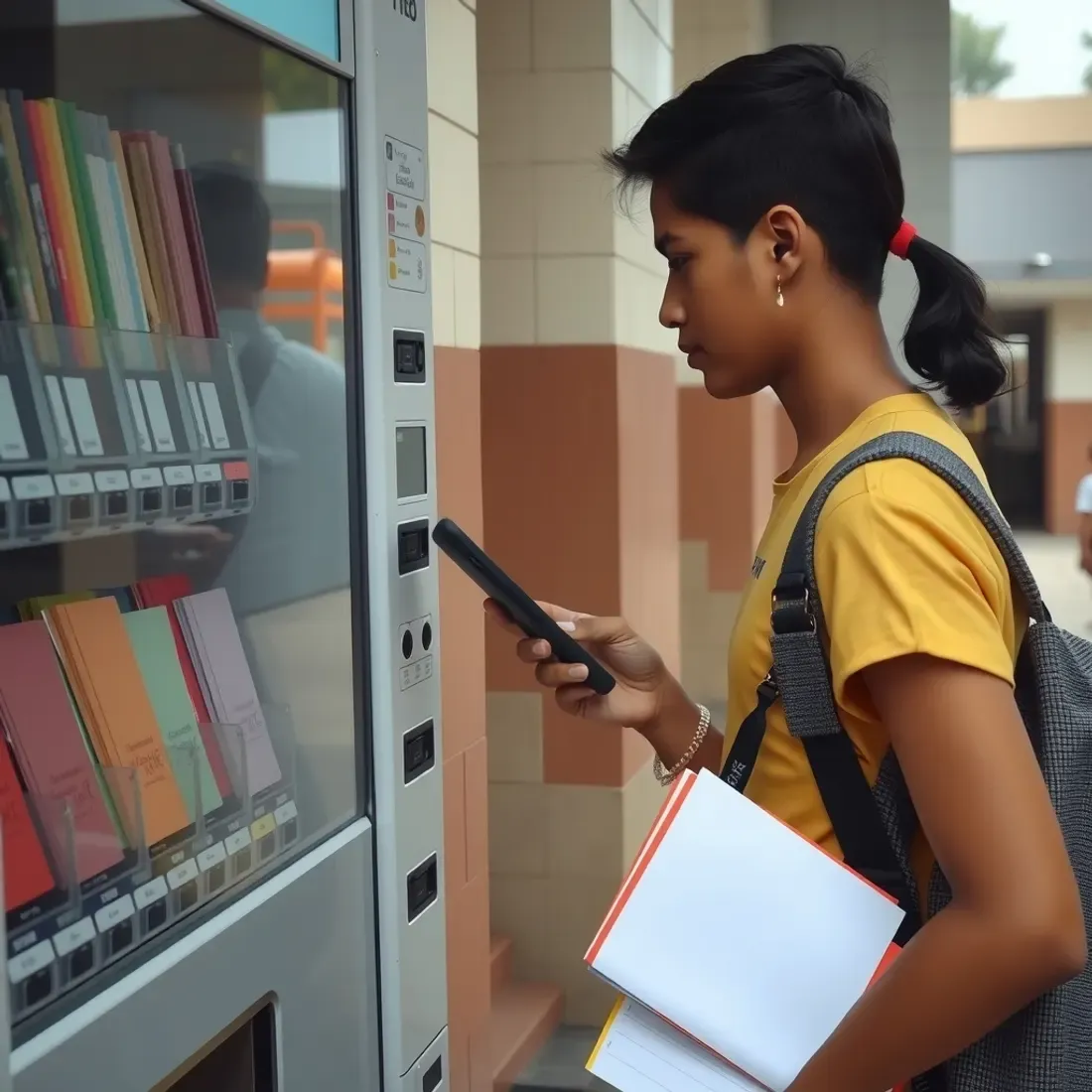
Walk the spot at different times of day. Check that the floor is level and strong enough for a loaded stationery vending machine. Make sure the location has shade and good airflow, as direct sun can warp notebook covers and fade labels. Confirm that a stable mobile network or Wi-Fi signal is available if you want UPI payments and remote alerts.
Also think about queues and safety. A machine placed in a narrow corridor can block movement during class breaks. Leave enough room for a few people to stand and choose without crowding the passage.
Most Indian users of a stationery vending machine now expect to pay by UPI. A QR code payment is quick and avoids the problem of carrying exact change. UPI is run by the National Payments Corporation of India and works with most Indian banks and payment apps.
Cash and card options can still help in some places, such as schools where younger students may not carry phones. Which payment methods are available is model dependent, so confirm them in your quote. For minors, the school or institution should decide how payments are handled and who is responsible.
Failed payments and stuck items will happen now and then. Plan for them from day one.
Quick, fair refunds build trust in a stationery vending machine. People return to a machine they believe will treat them fairly, and that matters more for a low-value item like a pen than for any other product.
A stationery vending machine is only as good as its upkeep. Empty rows, dusty glass or a jammed pickup tray will push users back to the shop or the stationery counter outside.
Set a written routine for your stationery vending machine and stick to it. A simple plan might look like this:
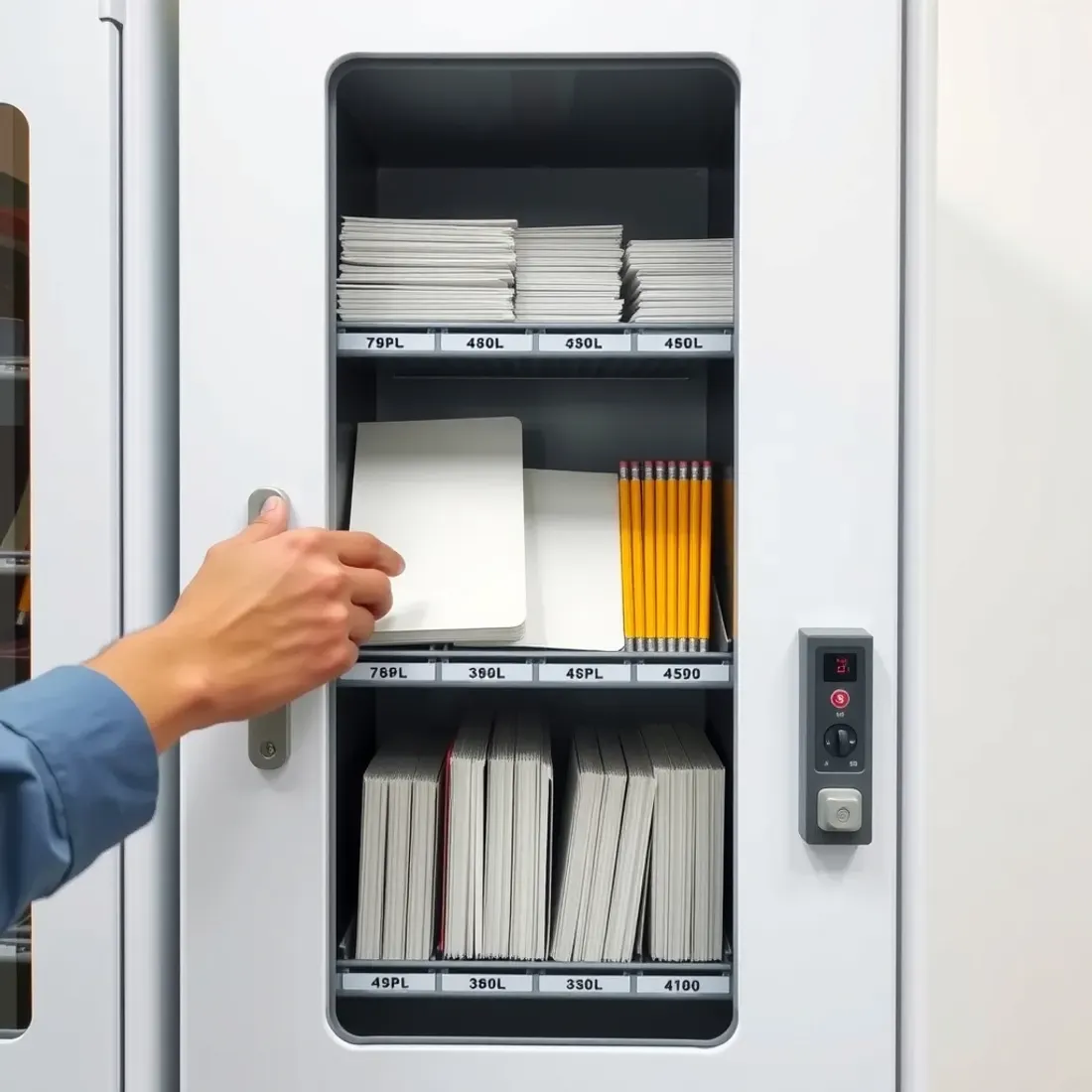
Stationery vending machine demand is not flat across the year. It tends to rise at the start of a term, before internal tests and around exams. Plan extra stock for those periods and check the machine more often. In the quiet weeks, cut back on slow rows and keep the fast movers topped up.
A school stationery vending machine may also see rushes between periods or at the end of the school day. If that is your case, ask us about slot counts and refill frequency, so the machine does not run out of pens at the busiest moment.
Paper products absorb moisture, and notebooks can curl in damp air. Keep the machine away from wet areas, drains and open windows that let in rain. In humid months, check that covers and packs stay dry. A shaded, ventilated spot helps a lot, and a regular wipe keeps dust off the glass.
Electrical safety should never be guessed. Any BIS or other safety certification for the machine will be confirmed in your written quote. You can read about Indian product standards on the Bureau of Indian Standards website. Use an earthed power point and keep cables tucked away from walking paths.
A stationery vending machine is not the only way to give people easy access to writing supplies. Here is how it compares with common alternatives.
For many sites, the best answer is a mix. The machine covers urgent and after-hours needs, while bulk orders still come from shops, suppliers or delivery.
If your site has fewer users, a single-purpose machine may not get enough sales. A combined unit can carry stationery along with other small essentials. Our office supplies vending machine page covers machines built around workplace consumables like files and notepads. For students who also need phone accessories, see the electronics accessories vending machine page. You can also browse all vending machine types to compare sizes and formats.
A campus stationery dispenser works best when it is part of daily campus life, not an afterthought. Talk to student representatives, librarians and the administration before you install it. Ask what people forget most often and what they would buy on impulse.
Display a small notice near the machine that lists the item categories and how to report a problem. A machine that people know about gets used far more than one they discover by accident.
Schools have extra points to consider. Decide who may use the stationery vending machine, what age groups it serves and what items are suitable. Keep sharp or risky items out of the product list. The Ministry of Education publishes guidance for schools, and your management should check what applies to your institution before adding any vending service.
Staff supervision near the machine during breaks can help avoid crowding and misuse. Some schools prefer to place the machine in a staff-monitored area, such as the reception or the library lobby.
There are different ways to bring a stationery vending machine to your site. The right one depends on your budget, how much effort you want to put in and the number of users nearby.
If you are thinking about running machines as a business, our vending machine partner page explains how to start that conversation. Not sure which machine fits your site? Use the vending machine finder to narrow your choices in a few steps.
A few simple errors cause most of the problems a new stationery vending machine faces.
Use this short list before you request a quote:
Ready to plan a stationery vending machine for your school, college, office or library? Share your site details, expected footfall and item list, and we will help you choose a suitable model. Request a free stationery vending machine quote, and you can compare the options that fit your site.
Most units sell small, sealed items such as pens, pencils, erasers, sharpeners, notebooks, markers and sticky notes. Slot shape decides what fits, so firm, flat packs work best in standard spirals. Bulky items like geometry boxes or thick registers may need wider slots or a locker-style door.
It can be, if the nearest shop is far or shuts early and people often run short of basics. A quick survey of students or staff helps you judge demand before you commit. A compact machine, or a combined unit that also carries office supplies, may suit a smaller site better.
UPI QR code payment is the most common choice in India, and many sites also ask for card or cash options. Which methods are available is model dependent, so confirm them in your written quote. Display a help number or QR code on the machine for failed payments.
Stuck items can happen with any spiral machine, usually when a pack is too soft, too thick or sits at the wrong angle. Better models detect a failed drop and trigger a retry or refund, but this is model dependent. A clear complaint route and a quick refund process keep users confident.
Yes, many sites train a peon, librarian or admin staff member to do a simple weekly refill. Others prefer a service team to handle stocking. Engagement options vary, so ask us whether operated or shared models are available for your site and what each one covers.