
Best for
Places this machine suits
Have a different kind of site? Ask us whether it fits.
Catalogue
50 machine types for every place people gather.
By venue
Machine mixes planned around where they stand.
Workplace & safety
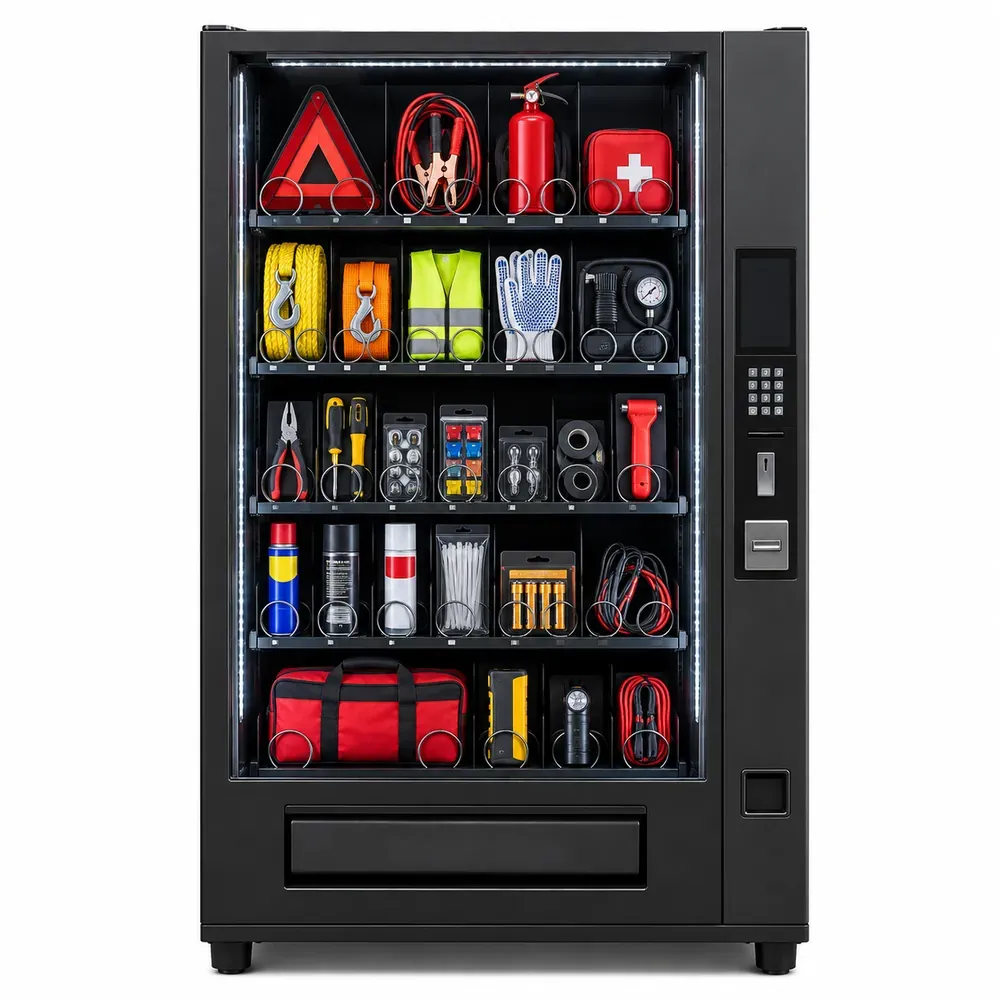
Sells basic emergency vehicle accessories and consumables.
Best for
Have a different kind of site? Ask us whether it fits.
What it can stock
The final range is planned with you for each site.
Key points
Specifications
Sizes, capacity and hardware depend on the model and configuration we agree for your site. We share a spec sheet with your quote; the safety certification that applies to this model (such as BIS, where required) is confirmed in your written quote, and you can ask us for the documents.
Smart features
Options vary by model and are confirmed in your quote.
UPI QR, cards and wallets through the payment reader.
Browse by category and tap to buy, like the machines in our photos.
Stock levels, sales and alerts on a dashboard, so refills are planned.
Shelf layout and product mix planned around who uses the space.
Signage on the machine body to suit your venue or your brand.
Ways to get it
Pick the model that suits your budget and how hands-on you want to be. Terms are shared with your quote.
For businesses and operators
Own the machine outright and run it your way. We help with configuration, installation and training.
Ask about this option: buy a machineFor offices, campuses and sites
Pay a periodic fee instead of buying upfront, with servicing included as agreed in the contract.
Ask about this option: rent or subscribeFor hosts with space and footfall
We place, stock and maintain the machine; you provide the location. Subject to a site survey.
Ask about this option: we operate itFor entrepreneurs and franchisees
Run machines in your city with our hardware, software and support behind you.
Ask about this option: become a partnerHow we deploy it
Footfall, space, power and who will use it.
Machine model, product mix and payment options.
Delivery, set-up and a test run on site.
Refills planned from remote stock data.
Upkeep and support as per your agreement.
Related machines
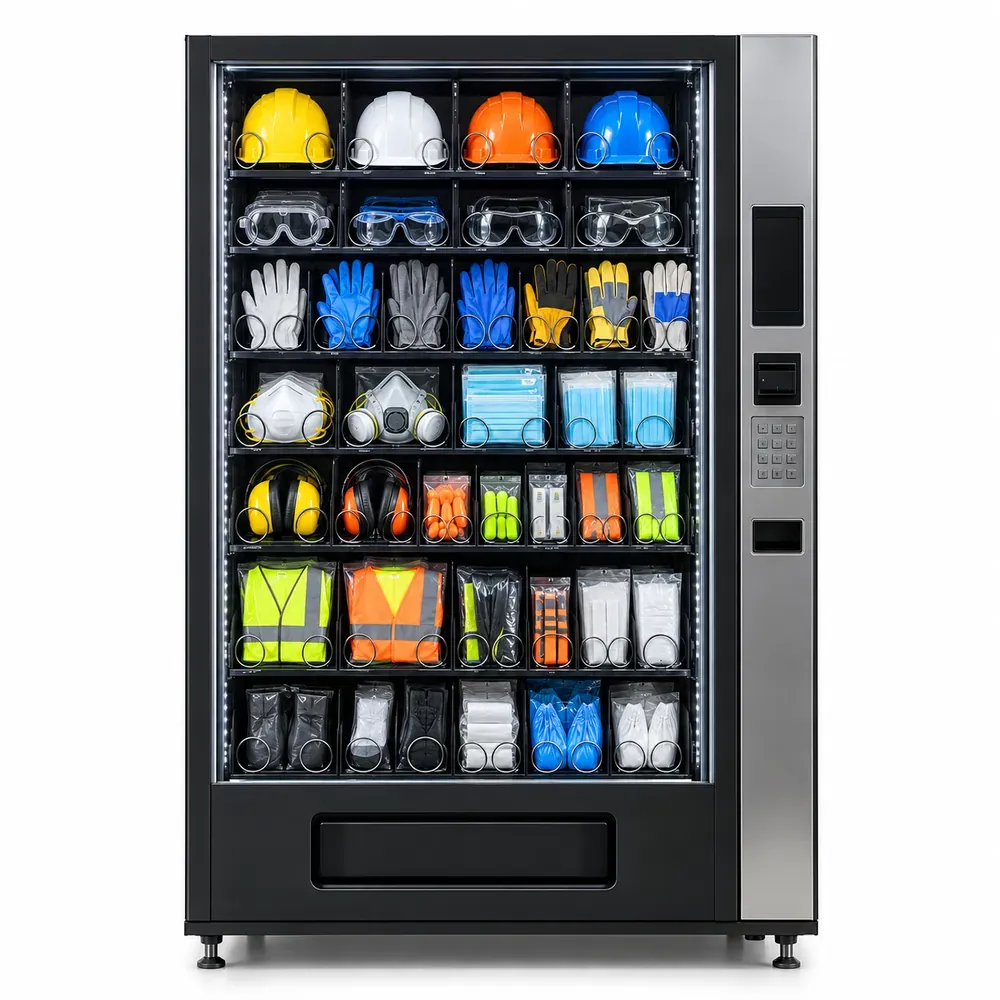
Provides masks, gloves, helmets and other workplace safety supplies.
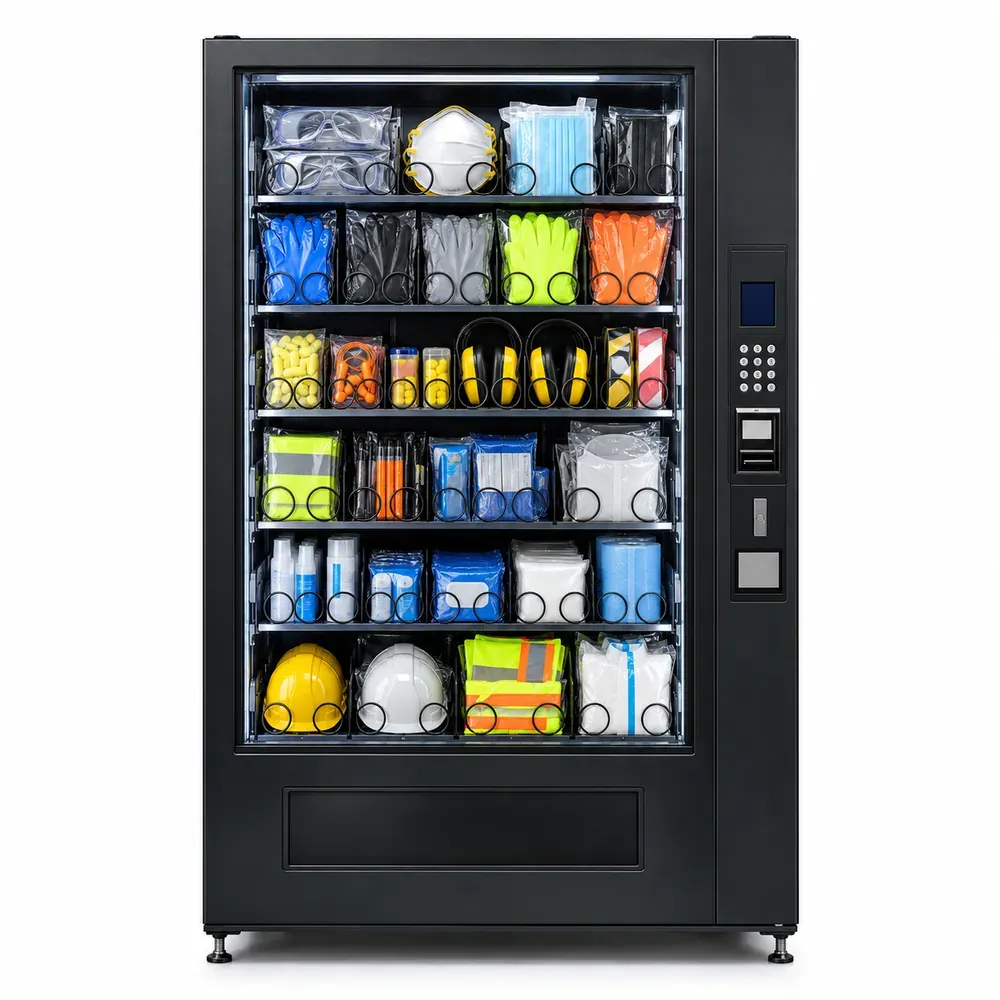
Controlled dispensing of safety consumables to employees.
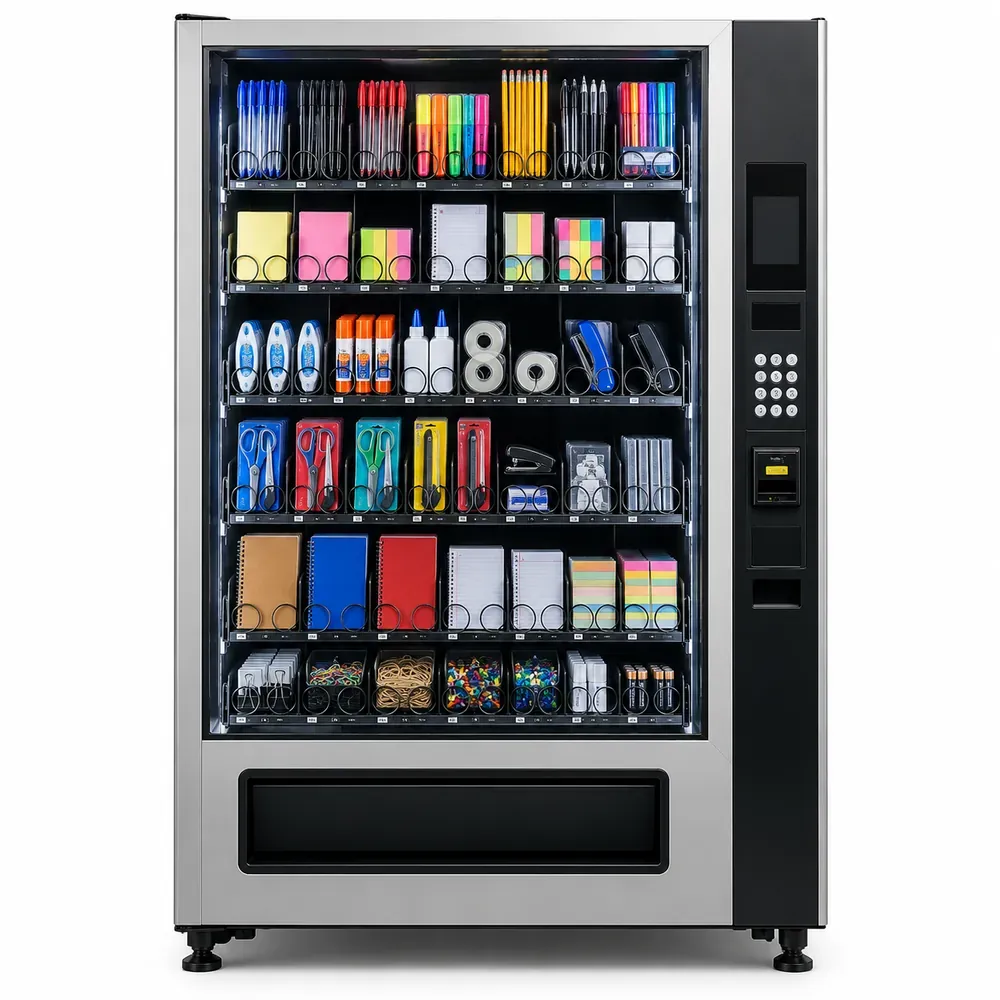
Sells pens, pencils, notebooks, markers and other stationery.
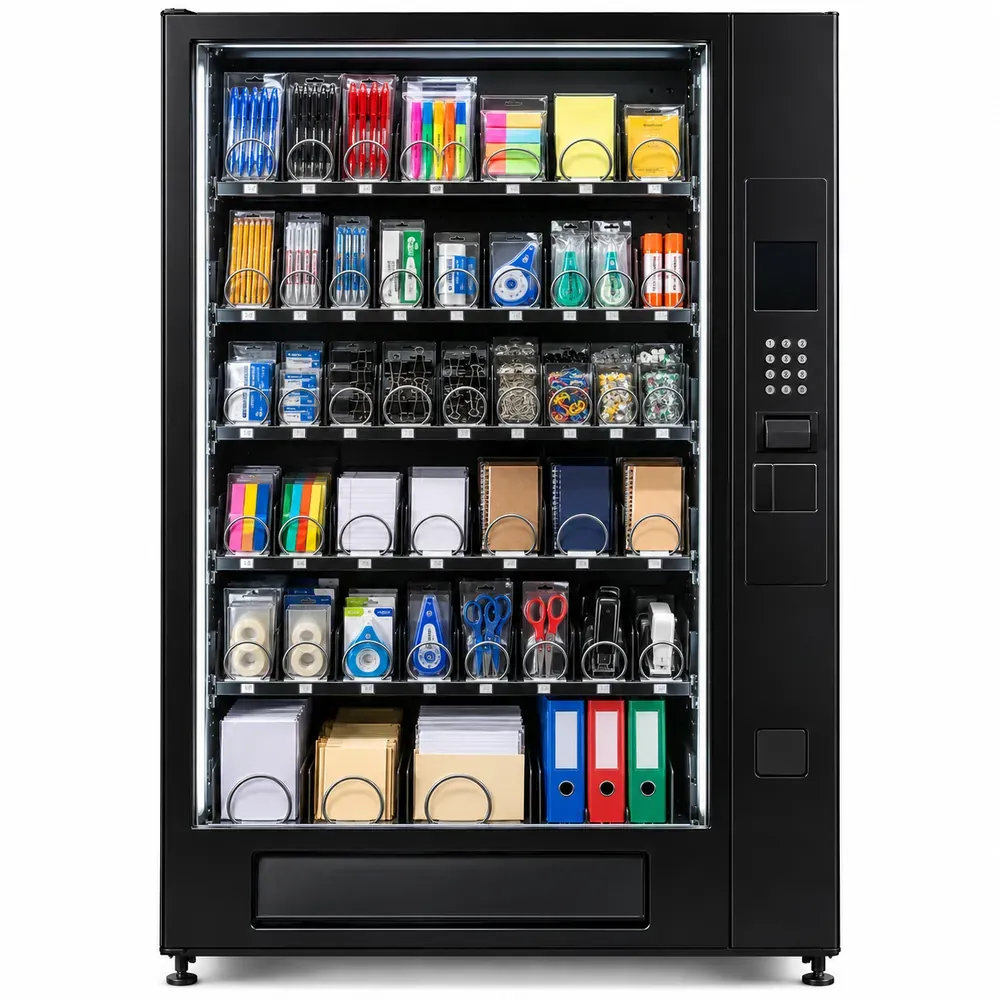
Provides frequently required workplace consumables.
Tell us where it will go and roughly how many people pass by. We reply with configuration options and the engagement model that suits you.
An automotive emergency vending machine is a self-service unit that sells small vehicle accessories and roadside consumables at any hour, without a shop counter. Think of a blown fuse at 11 p.m., a phone cable that stopped working on a long drive, or a car that needs a warning triangle after a breakdown. When the nearest store is closed or kilometres away, an automotive emergency vending machine at the right spot can solve the problem in under a minute.
The idea is simple. Drivers pick a product on the screen, pay with a UPI scan, and the item drops into the tray. The site owner gets a new service for customers without hiring extra counter staff. In simple terms, an automotive emergency vending machine is a small, always-open stores counter for drivers.
This guide goes beyond the basics shown above. It covers what to stock, where to place the machine, how payments and refills work, and what to check before you ask for a quote. It is written for petrol pump owners, highway food plaza operators, parking managers and fleet depots across Indian cities and highways.
Indian roads see long night drives, heavy monsoon spells and highway stretches with few shops. Small problems, such as a dim torch or a missing tyre gauge, can turn into big delays. Having roadside emergency supplies close at hand makes trips calmer and safer.
Road safety is a national priority. The Ministry of Road Transport and Highways runs a dedicated road safety programme that covers awareness, engineering and emergency care. Globally, the World Health Organization fact sheet on road traffic injuries explains how road crashes remain a major cause of injury. A vending machine cannot replace emergency services, but it can help drivers carry simple items like reflective vests and warning triangles that make a stopped car easier to see.
Here are common moments when drivers look for help:
In each case, an automotive emergency vending machine offers a quick fix without waiting for a shop to open.
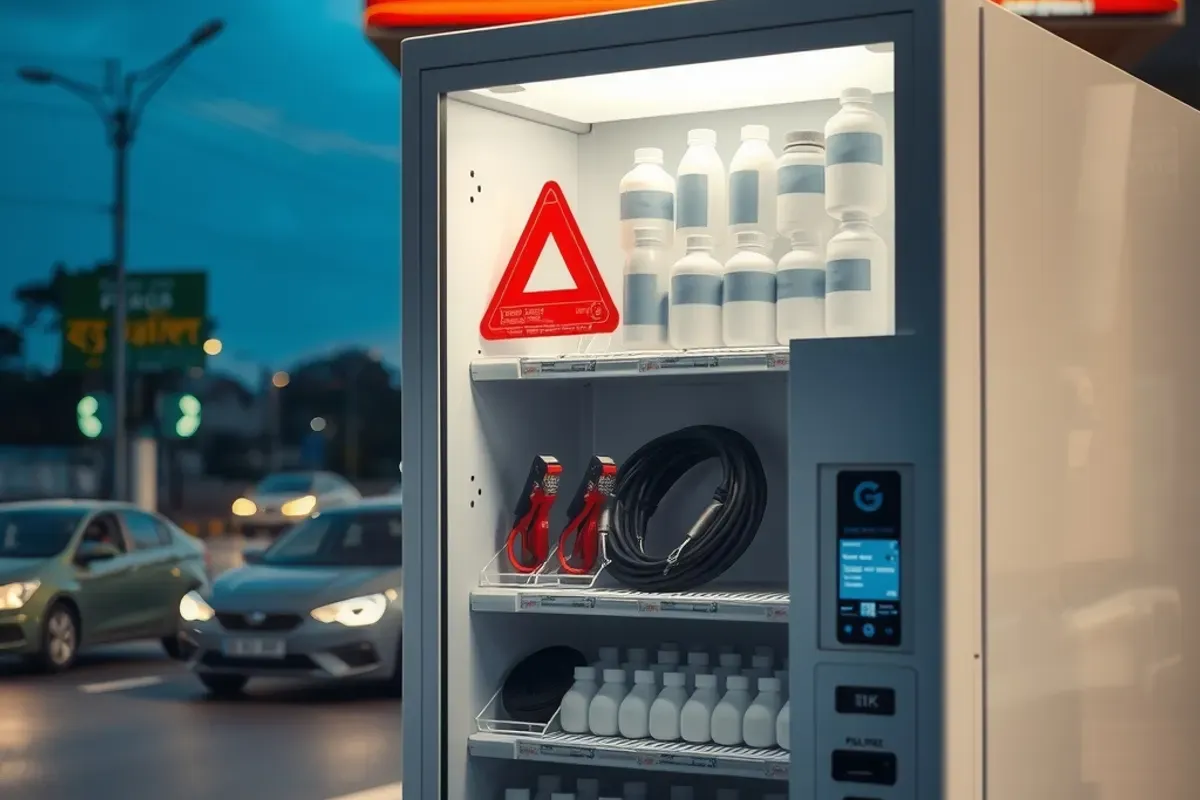
The right product mix depends on your site, your customers and local rules. Start with small, light, sealed items that solve real roadside problems. Avoid anything bulky, loose or hazardous.
These are the items most site owners consider first:
These add convenience and suit a mixed layout:
Some products need extra care. Loose fuel should never go into an unattended machine. Aerosols and some liquids may need storage checks. Medicines are a separate category with their own rules, so any health item must be limited to permitted OTC essentials only, and only after a per-site check. A first aid vending machine is a better fit if first aid is your main goal.
If you plan to sell snacks or drinks in the same automotive emergency vending machine, food should be stocked in FSSAI-compliant packaging. Who holds the food licence depends on the engagement model you choose, so ask about it early.
Some drivers do not want to choose items one by one. They want a simple, ready-made pack they can keep in the boot. This is where a car emergency kit vending machine layout helps. Instead of only single items, one or two rows hold sealed kits that group the basics together.
A simple roadside kit could include:
Kits make the choice easy for a stressed driver. They also make stock planning simpler for the site owner, because one slot holds one complete solution. If you want to try this, mention it in your enquiry. Kit contents, packaging and slot sizes depend on the automotive emergency vending machine model, so we confirm what fits in your written quote.
Two-wheeler riders are a large group on Indian roads too. A few slots for items like puncture repair kits, reflective tape or rain covers can widen the appeal of your automotive emergency vending machine at a petrol pump. Watch what sells and adjust the mix over time.
Placement decides results for any automotive emergency vending machine. A great product mix in a quiet corner will not sell. Look for spots where drivers already stop, feel safe and have a moment to browse.
A petrol pump vending machine works well because every customer has stopped their car already. Place it near the air and water point, close to the payment counter, or under the main canopy. Night-time lighting and CCTV coverage help both sales and safety. Many owners place the automotive emergency vending machine where staff can see it from the counter.
A highway vending machine near a food court or restroom block reaches drivers taking a break. Long-distance travellers often realise they need something only when they stop. Pair it with a cold beverage vending machine or a mineral water bottle machine for a complete stop.
Multi-level parking in cities, mall basements and airport parking lots see many cars every day. An automotive emergency vending machine near lift lobbies or pay stations catches drivers who notice a problem when they return to their car. Our travel hub solutions page shows how machines fit these busy spaces.
Taxi, logistics and bus depots can use an automotive emergency vending machine as a simple stores counter for drivers. Small items stay available across shifts without a person on duty. Compare this with a PPE and safety vending machine if your depot also needs safety gear for staff.
Each site has different traffic and needs. Use this table as a starting point, not a promise of sales.
| Site type | Typical customer moment | Items that may suit | Key check before install |
|---|---|---|---|
| Petrol pump | Refuelling or checking tyre pressure | Gauges, fuses, cables, cloths | Canopy cover, power point, lighting |
| Highway food plaza | Rest break on a long drive | Torches, vests, chargers, water | Mobile signal for UPI payments |
| City parking facility | Returning to the car after shopping | Chargers, wipes, fresheners | Footfall near lifts and pay stations |
| Fleet depot | Shift start or end | Fuses, bulbs, triangles, cloths | Who restocks and how often |
| Toll plaza amenity block | Short stop in heavy traffic | Water, cables, small snacks | Space, safety and site permission |
Every site is different. Footfall, timing and the local mix of cars and two-wheelers all change what sells. Treat the table as a list of ideas to test with your own data.
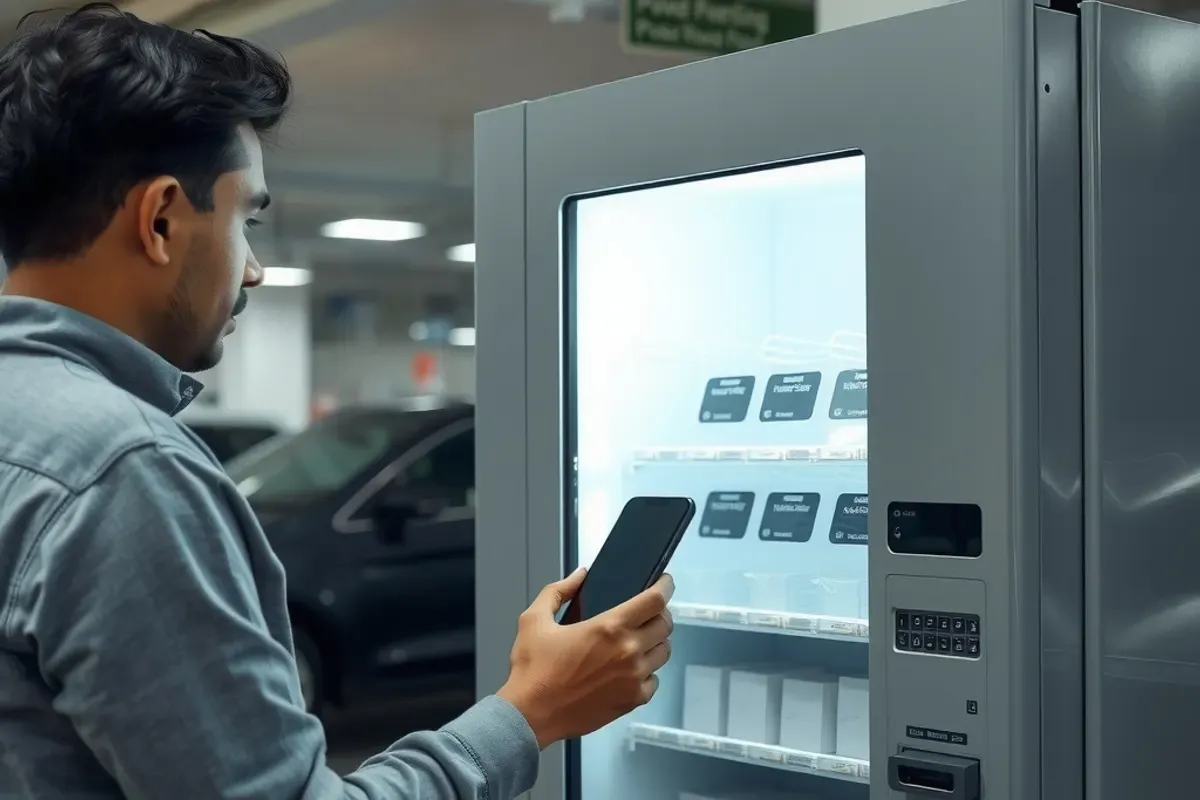
Most Indian drivers carry a phone with UPI, so on an automotive emergency vending machine a QR scan is usually the fastest way to pay. The customer picks an item, scans the code, approves the payment and the machine vends. Card readers and cash units are model dependent and optional.
Highway sites need one extra check. Mobile signal can be weak on some stretches, and UPI needs a working connection on both the phone and the machine. Before install, test signal strength at the exact spot. A better antenna position or a different network can make a real difference.
Clear on-screen steps also help. Many drivers are in a hurry or stressed. Big buttons, simple language and support for Hindi or a regional language, where the model allows it, make the machine easier to use. You can learn more about these features on our smart vending technology page.
An automotive emergency vending machine is only useful when it is stocked, clean and working. Plan the daily routine before the unit arrives.
Emergency items do not sell every hour like snacks. Some sell slowly and then spike in the monsoon or the festival travel season. Start with a modest stock, watch sales for a few weeks and adjust. Where the model supports remote telemetry, you can see stock levels from a phone and plan refill trips.
Dust and heat are common at highway and petrol pump sites. Wipe the glass front and touchscreen regularly. Check the tray, coils and payment area during each refill visit. Keep the area around the machine free of oil spills and clutter.
Never place an automotive emergency vending machine where it blocks fuel dispensers, fire exits or traffic lanes. Keep it away from fuel vapour zones and follow the site owner’s safety rules. Electrical safety matters too. Any BIS or other safety certification for the specific automotive emergency vending machine model is confirmed in your written quote. You can read about Indian standards on the Bureau of Indian Standards website.
Different owners want different levels of involvement with an automotive emergency vending machine. Some want to buy the machine outright and run it themselves. Others prefer to rent it or have someone else handle refills and service. Ask us whether each engagement model is available for your location, because options can vary by city and route.
Here is a simple way to think about the choice:
If you are thinking about vending as a business across many sites, our vending partner page explains how we work with partners. Not sure which machine fits your space? Try the vending machine finder for a quick recommendation.
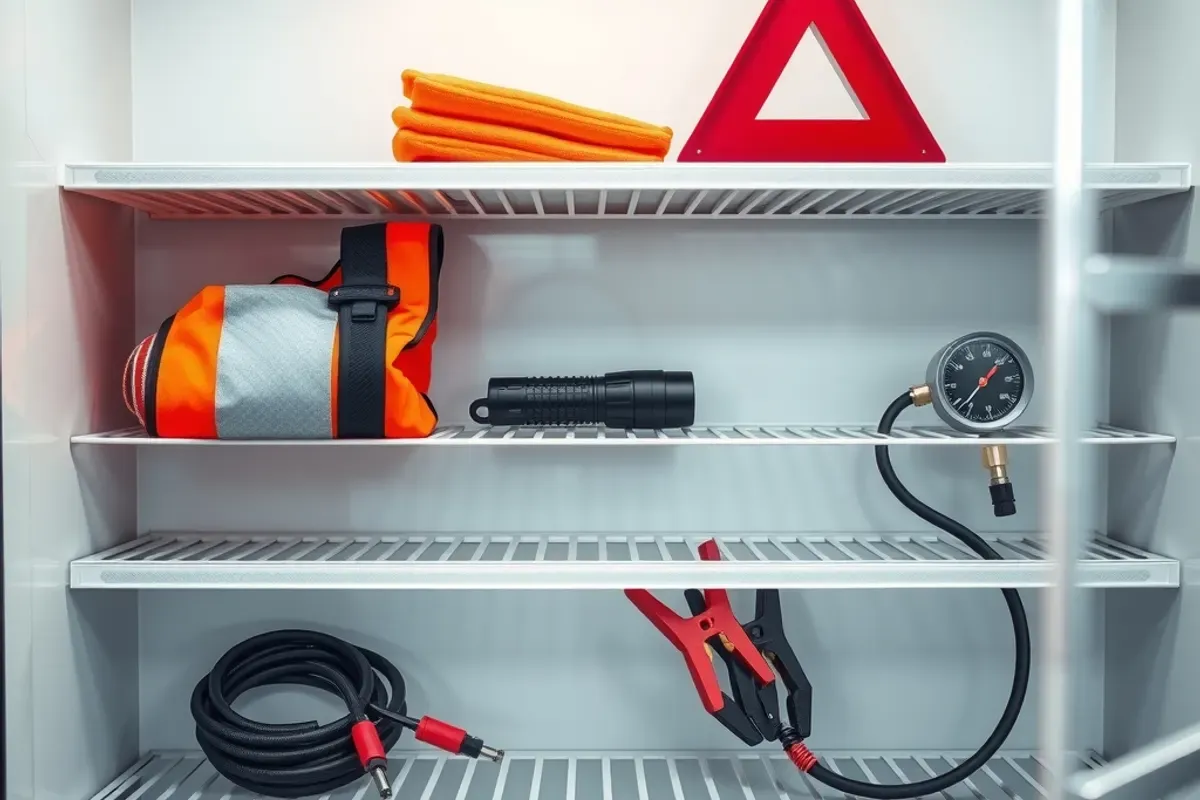
A little planning saves time and money later, and it helps your automotive emergency vending machine start on the right foot. Use this simple checklist before you send an enquiry.
Walk the site at different times of day. Note where drivers stop, where they wait and where lighting is good. Check for a stable power point and shelter from rain and direct sun.
Write down ten to twenty items you think drivers will need from your automotive emergency vending machine. Keep them small, sealed and light. Remove anything that needs special storage or a licence you do not have.
Test mobile data at the exact spot with more than one network. If signal is weak, mention it in your enquiry so we can suggest options.
Decide whether your own staff will refill and clean the machine, or whether you want to ask us about a managed model. Be clear on how often someone can visit the site.
Share your site details, product list and expected footfall. The written quote will confirm the model, configuration, any safety certification and the engagement model on offer.
A small shop counter at a fuel station can sell the same items, so why choose an automotive emergency vending machine? Each option has strengths.
Many sites use both. The counter handles bigger or advice-based sales during the day, and the automotive emergency vending machine covers late nights and quick stops.
It suits you if drivers stop at your site regularly, if they often ask staff for small items, or if your site stays open late with limited staff. It may not suit a site with very low footfall or no safe, sheltered spot near power.
If you are still unsure, compare it with related machines. A travel essentials vending machine suits bus and railway stations, while a power bank vending machine helps travellers with dead phones. Browse the full list of vending machine types to see what else fits your space.
Tell us where the machine will go, which products you have in mind and how many vehicles stop each day. We will reply with configuration options and the engagement models we can discuss for your site. Request your automotive emergency vending machine quote today.
No. Loose fuel is not something an unattended machine should dispense, and we do not suggest it. Small sealed packs of car care liquids may be possible, but the final product list is agreed per site after checking local rules, the site owner's policy and safe storage needs.
It can, if it sits under a canopy or shelter and the model suits outdoor use. Heat, dust and rain all matter. Tell us about the exact spot, including sun exposure, and we will suggest a cabinet and placement. Any weather or safety rating is confirmed in your written quote.
Most Indian drivers prefer to scan a UPI QR code with their phone. Card and cash options are model dependent and optional. Because highway sites can have weak mobile signal, we check network coverage at the spot before we suggest a payment setup.
That depends on the engagement model you choose. You can run it yourself with your own staff, or ask us whether a managed refill model is available for your route. Remote telemetry, where the model supports it, helps plan refill trips before items run out.
Yes, many site owners ask for a mixed layout. Packaged food and drinks should be stocked in FSSAI-compliant packaging, and who holds the food licence depends on the model you choose. Keeping car liquids on separate, lower shelves away from food is a sensible practice.
There is no fixed rule we can share on this page. Many enquiries start with a single trial unit at one site. Share your locations and expected footfall, and we will reply with options, timelines and the engagement models we can offer for your plan.