
Best for
Places this machine suits
Have a different kind of site? Ask us whether it fits.
Catalogue
50 machine types for every place people gather.
By venue
Machine mixes planned around where they stand.
Water & ice
Dispenses filtered/purified drinking water.
Best for
Have a different kind of site? Ask us whether it fits.
What it can stock
The final range is planned with you for each site, with food and drink to be stocked in FSSAI-compliant packaging.
Key points
Specifications
Sizes, capacity and hardware depend on the model and configuration we agree for your site. We share a spec sheet with your quote; the safety certification that applies to this model (such as BIS, where required) is confirmed in your written quote, and you can ask us for the documents.
Smart features
Options vary by model and are confirmed in your quote.
UPI QR, cards and wallets through the payment reader.
Browse by category and tap to buy, like the machines in our photos.
Stock levels, sales and alerts on a dashboard, so refills are planned.
Shelf layout and product mix planned around who uses the space.
Signage on the machine body to suit your venue or your brand.
Ways to get it
Pick the model that suits your budget and how hands-on you want to be. Terms are shared with your quote.
For businesses and operators
Own the machine outright and run it your way. We help with configuration, installation and training.
Ask about this option: buy a machineFor offices, campuses and sites
Pay a periodic fee instead of buying upfront, with servicing included as agreed in the contract.
Ask about this option: rent or subscribeFor hosts with space and footfall
We place, stock and maintain the machine; you provide the location. Subject to a site survey.
Ask about this option: we operate itFor entrepreneurs and franchisees
Run machines in your city with our hardware, software and support behind you.
Ask about this option: become a partnerHow we deploy it
Footfall, space, power and who will use it.
Machine model, product mix and payment options.
Delivery, set-up and a test run on site.
Refills planned from remote stock data.
Upkeep and support as per your agreement.
Related machines
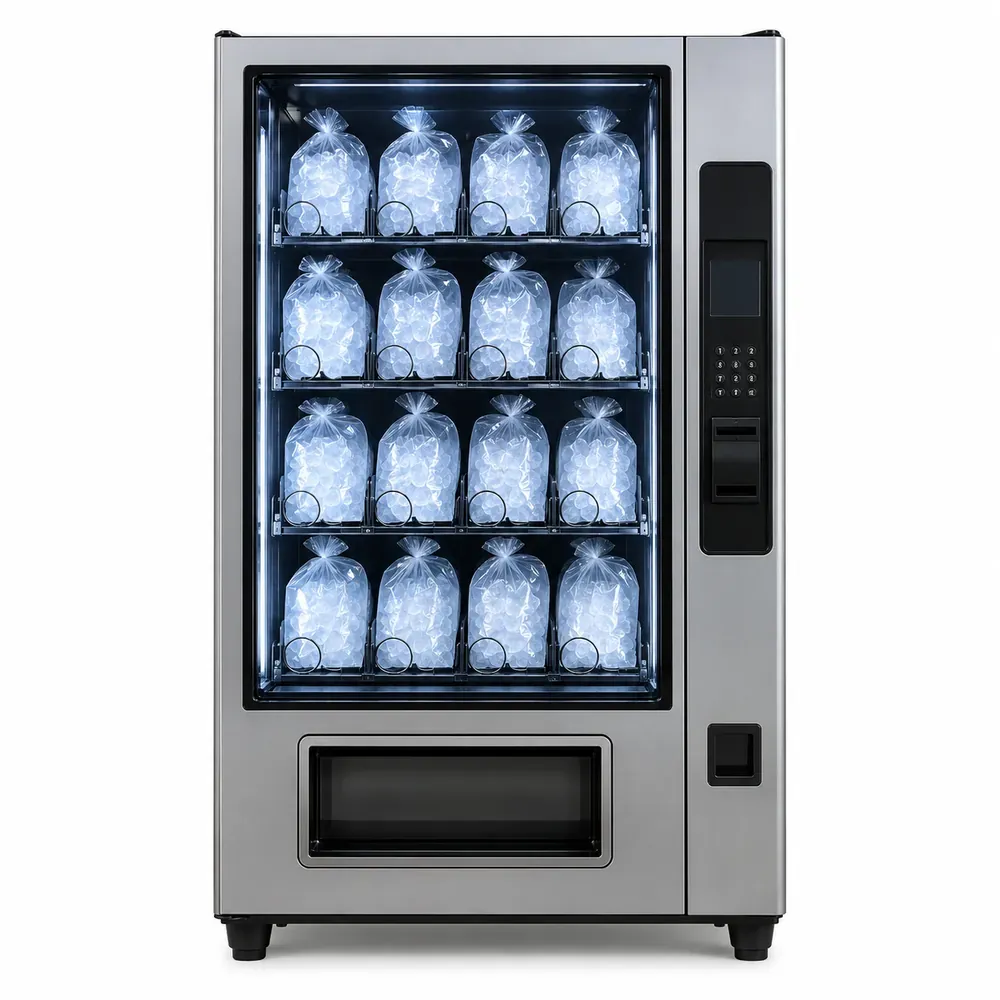
Produces or dispenses packaged ice for consumers and businesses.
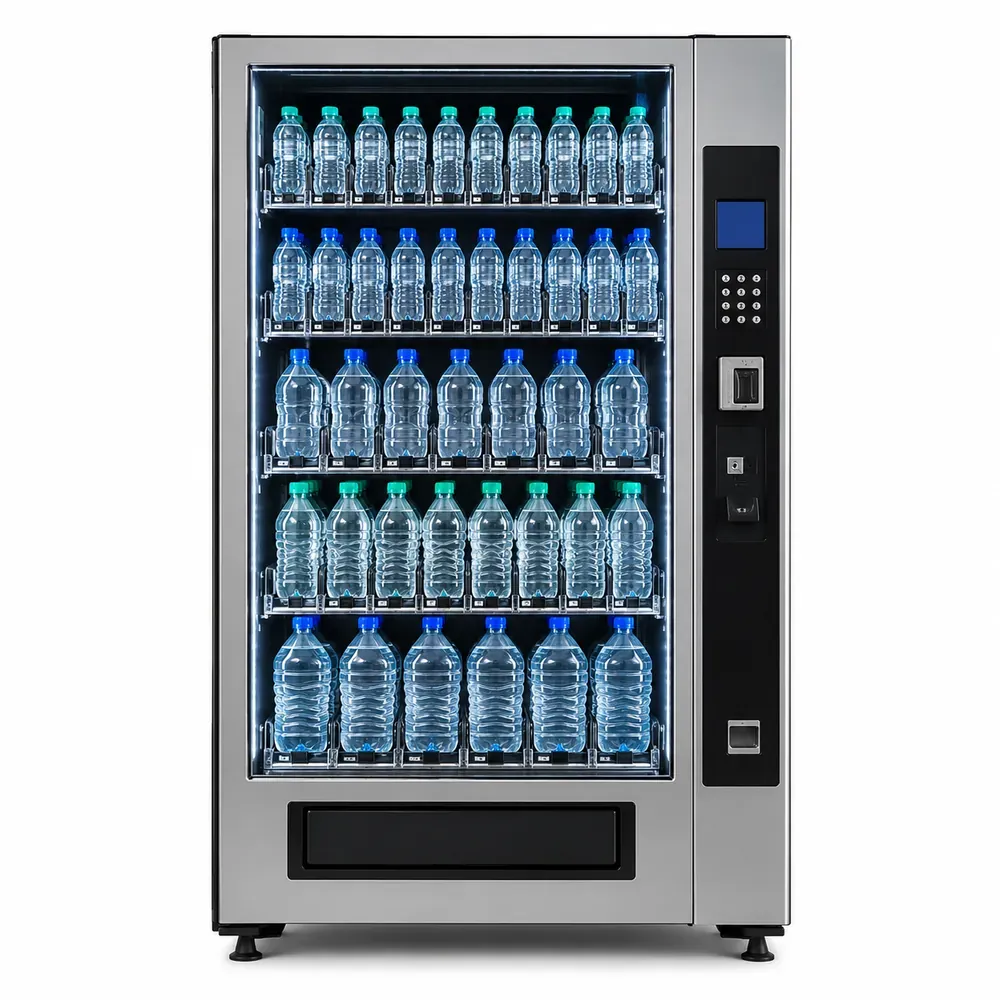
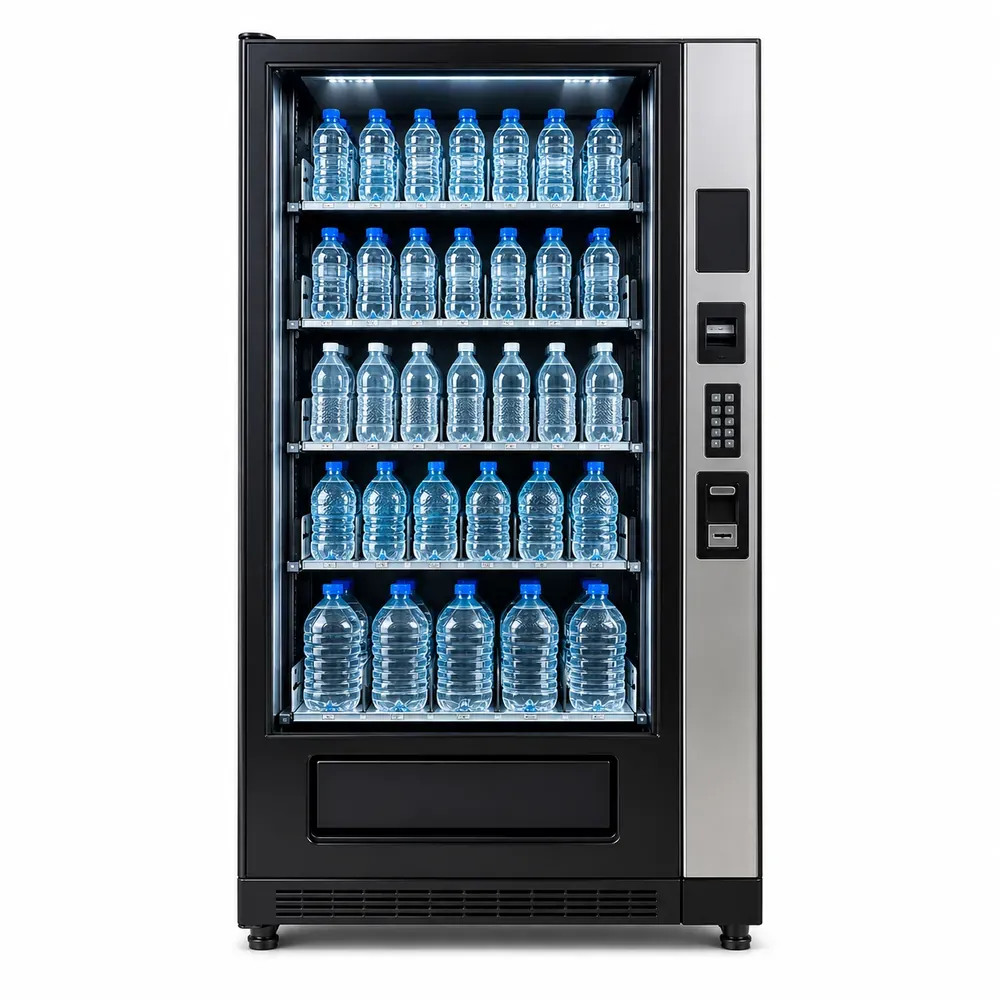
Automated retail machine selling packaged drinking water.
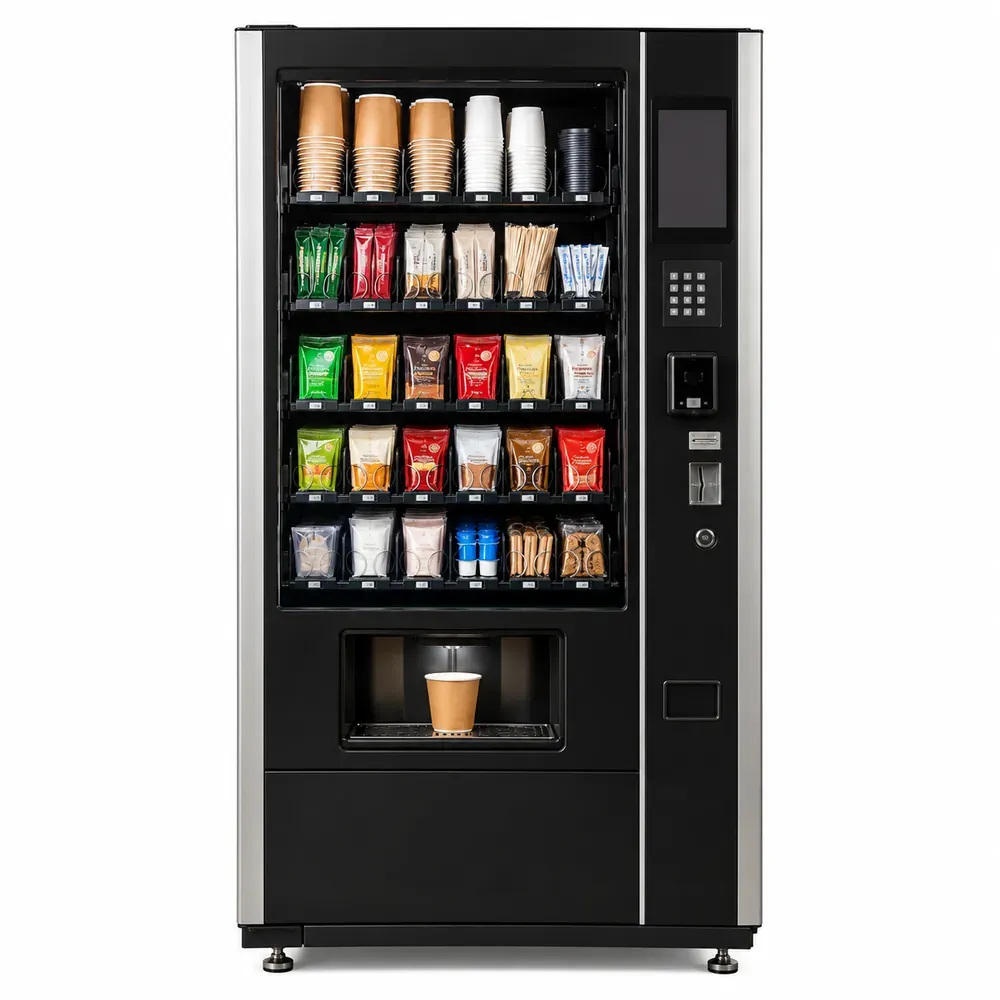
Automated machine serving hot beverages such as tea, coffee, cappuccino and premixes.
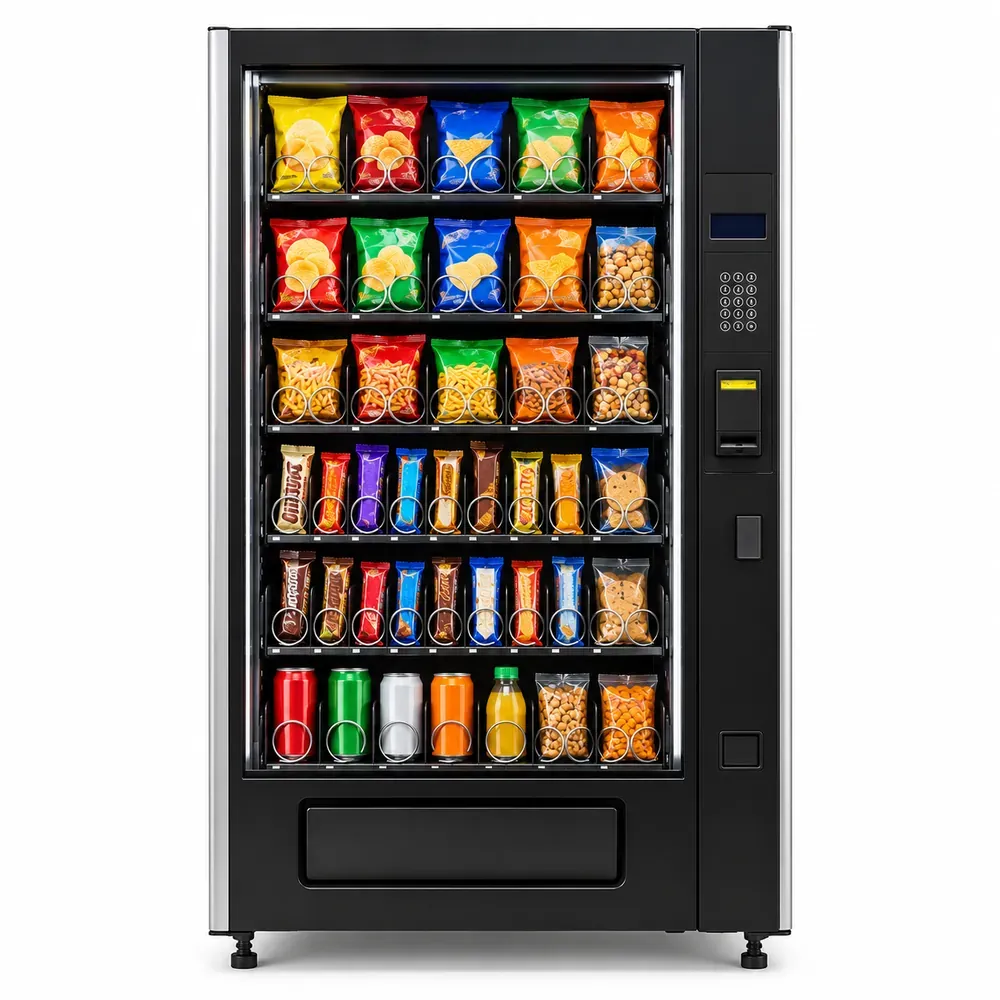
Sells packaged snacks such as chips, biscuits, chocolates and namkeen.
Tell us where it will go and roughly how many people pass by. We reply with configuration options and the engagement model that suits you.
A water vending machine is a self-service unit that treats and dispenses drinking water on demand. The user pays, places a bottle under the nozzle and collects a measured amount of filtered or purified water. There is no staff member at the counter and no need to carry heavy cans up the stairs.
In India, safe drinking water is a daily concern for housing societies, campuses, factories and travel hubs. Municipal supply can vary from one area to another, and many people already buy cans or bottles. A well-run water vending machine gives a steady, convenient alternative that works at any hour.
This guide explains how these machines work, where they fit, what to check about water quality, and how to run one without headaches. It is written for committee members and facility managers, and anyone considering purified water vending as a business.
The basic flow is simple. Raw water enters the machine, passes through several treatment stages and is stored in a clean tank. When a user pays, a valve opens and a set volume flows into their container.
Smart features on a water vending machine, such as remote monitoring of filter life, sales reports and price changes from a phone are optional and depend on the model. Ask us which of these the shortlisted model offers.
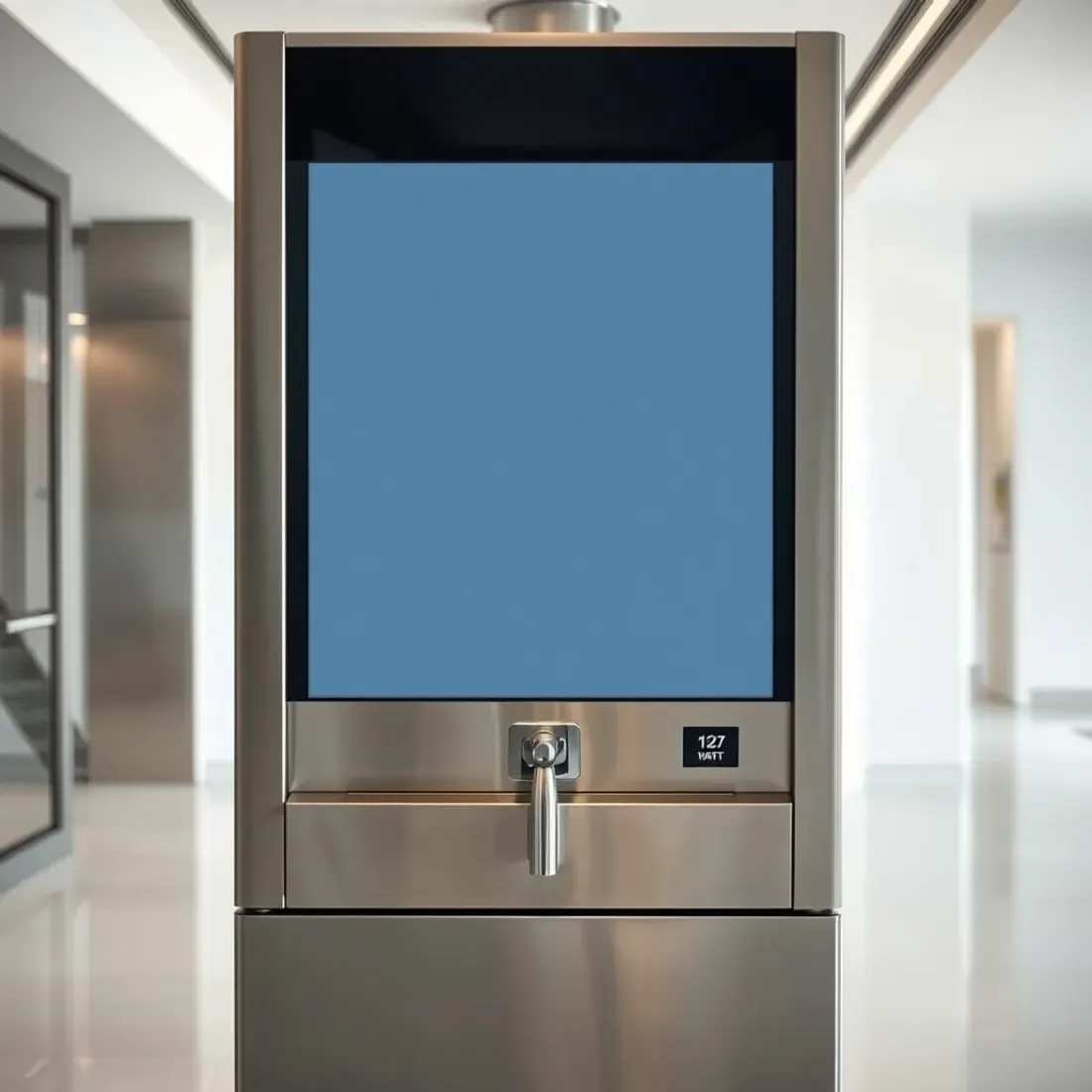
Treatment varies by model and by the quality of your source water. Many machines combine a few of the following stages:
Not every site needs every stage. If your source water is low in dissolved salts, a lighter setup may be enough. Share a recent water report with us and we can discuss which configuration suits your site.
The phrase drinking water kiosk covers several formats. Picking the right one saves money and avoids complaints later.
| Format | How it serves | Best suited for |
|---|---|---|
| Refill-only unit | Fills the user’s own container | Societies, campuses, offices |
| Cup and bottle unit | Dispenses into a cup or bottle sold on site | Stations, markets, events |
| Chilled or hot and cold unit | Offers chilled water, sometimes hot water | Hospitals, gyms, malls |
| High-capacity outdoor kiosk | Larger tank and weather-resistant body | Factories, parks, transit hubs |
Our mineral water bottle machine page covers sealed-bottle machines, which are a different product. If you sell chilled drinks alongside water, a cold beverage vending machine can sit next to it and cover other tastes.
Think about the busiest hour of the day. A single small nozzle will cause a queue when many people want five litres each. Ask about flow rate and tank size, so the unit can serve peak demand. Two nozzles may suit a large site better than one oversized unit.
Placement decides how much a water vending machine is used. A water refill station tucked behind a staircase will sit idle, while one near a lift lobby or a walking track will see steady use.
Good locations share a few traits. They see regular footfall, have a safe power point, have water and drain access close by and are easy to keep clean.
A water vending machine for society use is one of the most common setups. Residents who currently order cans can fill their own bottles or buckets near the clubhouse or main gate. Our residential vending solutions page explains how machines fit into gated communities, including how to take the plan to your managing committee.
Agree on a few points with the committee before installation:
Students move between classes in large groups, so a campus needs enough nozzles to avoid long queues. Place machines near hostels, libraries and sports grounds. Our campus vending solutions page covers how machines can be arranged across a larger site.
Workers in hot, dusty shops need easy access to cool drinking water. A sturdy outdoor-rated unit near the canteen or at the entrance of each shed works well. See our industrial vending solutions for ideas on placement, shift timings and upkeep in these environments.
Travellers often arrive without water, and queues at shops can be long. A water vending machine near platforms or waiting halls gives them a quick, low-cost option. Placement at these sites usually needs permission from the station or terminal authority, so check this early. Our travel hub vending solutions page covers what to plan for.
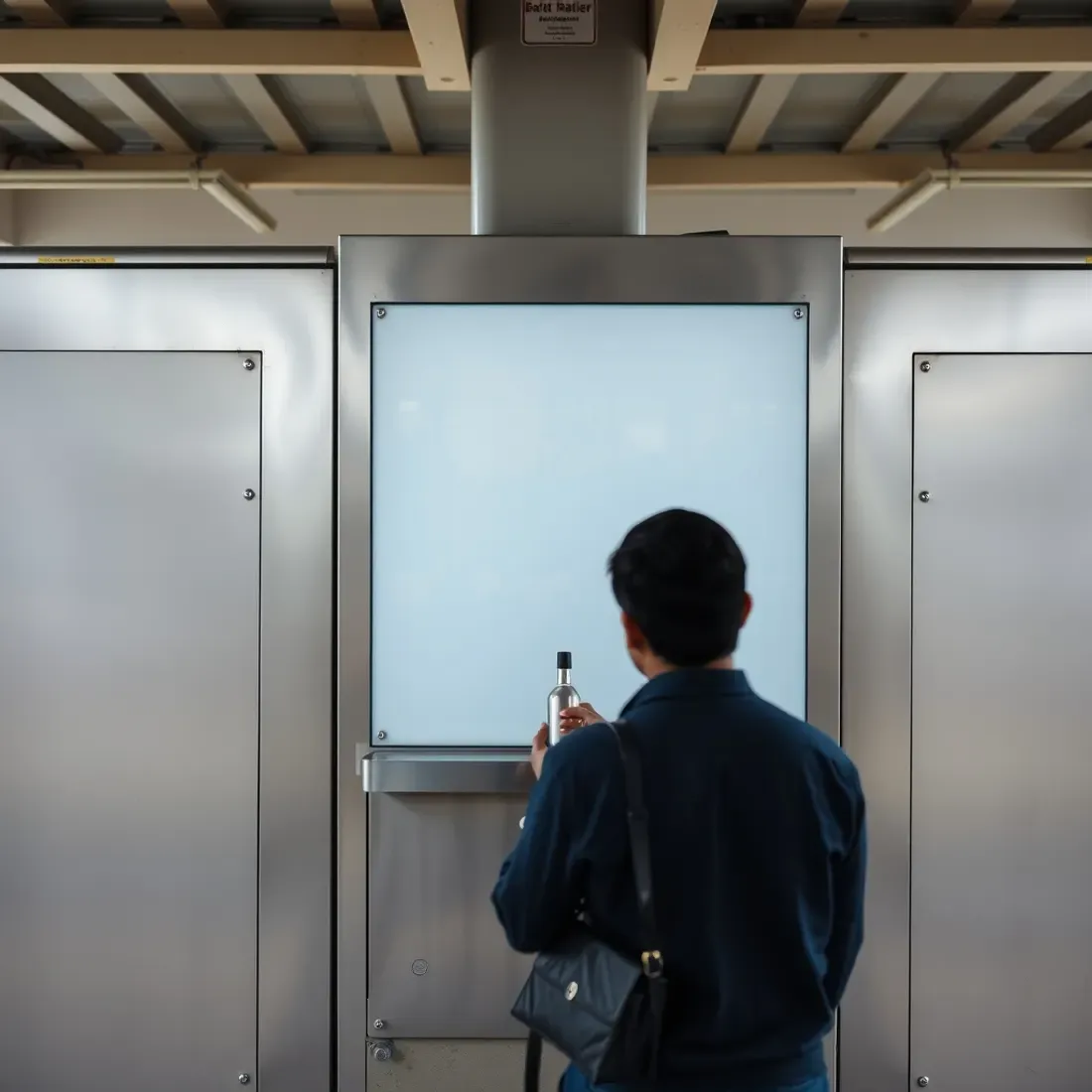
Water is a sensitive product. People drink it, so a lapse in quality affects health directly. Treat quality as the first priority for any water vending machine, ahead of price or looks.
The World Health Organization explains why safe drinking water matters for health and why regular monitoring is important. In India, the Bureau of Indian Standards publishes the national specification for drinking water, and your local rules may add further requirements. Ask your supplier which standards the machine is designed to meet, and keep that information on file.
A simple routine protects users and protects you. Consider the following:
Filters and RO membranes wear out over time. How quickly depends on the source water and how much the machine is used. Follow the schedule in the manual, and change parts earlier if the water is hard or muddy. Some models show filter life or send alerts. This is model dependent, so ask us whether the unit you like has it.
Storage tanks should be sanitised on a fixed schedule, since still water can grow biofilm. Keep a written log of every cleaning, with a date and the name of the person who did it.
Electrical safety should never be left to guesswork. Any BIS or other safety certification for a water vending machine will be confirmed in your written quote. Use an earthed power point, keep cables away from wet floors and fit the machine on a level base so that water cannot pool around it.
Most Indian users now expect to pay by UPI at a water vending machine. A QR code on the screen lets people pay without carrying exact change. UPI is run by the National Payments Corporation of India and works with most banks and payment apps.
Other payment options exist too. Coins suit simple low-cost setups, while prepaid cards or RFID tags suit societies and campuses, where regular users top up a balance. Which options are available is model dependent, so confirm them in your quote.
Failed payments and short fills at a water vending machine will happen now and then. Plan for them from day one.
Quick, fair refunds build trust.
A water vending machine only keeps its users if it is clean and working. Make a written routine and give it to a named person.
Each month, inspect filters, pumps and tubes and check the tank for dirt. Before the monsoon, check that the machine is on a raised base and that drainage is clear. In summer, demand rises, so make sure the tank and supply line can keep up. Water stagnates faster in hot weather, so clean the tank more often.
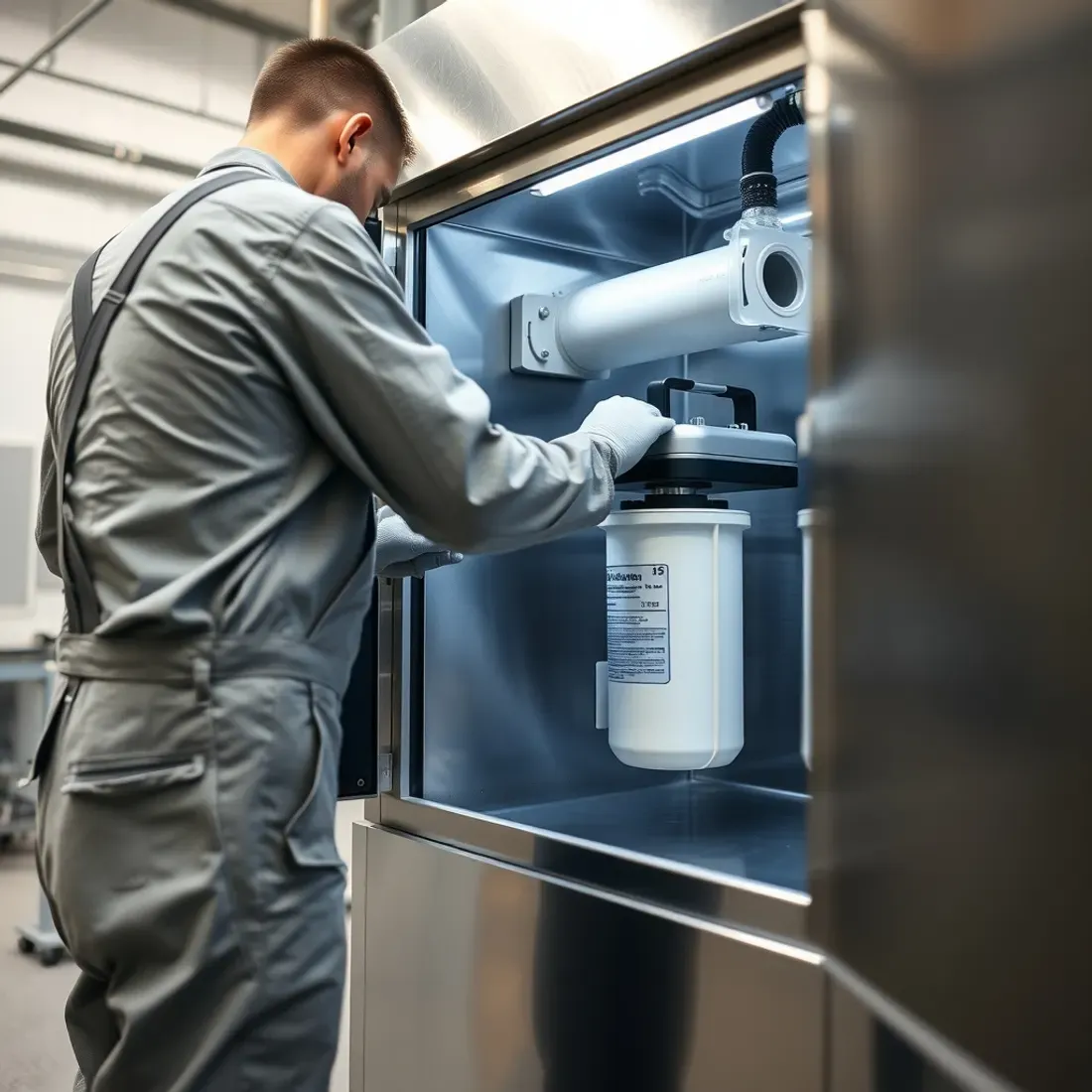
A wet area can attract insects. Keep the drip tray empty and the floor dry, and place a dustbin nearby.
Walk the proposed water vending machine spot at different times of the day. A short checklist helps avoid costly surprises:
Plan for RO reject water too. Some sites reuse it for cleaning, but this depends on local rules. Discuss it with your supplier at the start.
A water vending machine is not the only option. Here is how it compares with common alternatives.
For many sites, the best answer is a mix. The machine covers daily refills, while bottled water stays available for guests or events. If you want sealed bottles at the same site, see our page on the mineral water bottle machine. Sites that also sell ice can look at the ice vending machine page.
There are different ways to bring a water vending machine to your site. The right one depends on your budget, how much effort you want to put in and the number of users nearby.
If you are thinking of running machines as a business, our vending machine partner page explains how to start that conversation. Not sure which machine fits your site? Use the vending machine finder to narrow your choices in a few steps.
A few simple errors cause most of the problems seen with a new water vending machine.
Use this short list before you request a water vending machine quote:
Ready to plan a water vending machine for your society, campus, factory or station? Share your site details, expected number of users and source water report, and we will help you choose a suitable model. Request a free water vending machine quote, and you can compare options that fit your site. You can also browse every vending machine type we cover to see what else could work alongside it.
A water vending machine dispenses filtered or purified water into the user's own container, or into a bottle or cup they buy on the spot. A bottled water machine sells sealed, pre-packed bottles instead. Our mineral water bottle machine page covers the sealed-bottle format. Many sites choose the refill style to cut plastic waste and handling.
Most units need an earthed power point, a feed water line and a drain or reject water outlet. Some models also have a storage tank so they keep working during short supply cuts. The exact needs are model dependent, so share a photo of the proposed spot and we will confirm the requirements before you decide.
The site owner or operator is responsible for keeping the filters changed and for testing the output on a regular schedule. Many sites test at a recognised laboratory and display the latest result near the machine. Ask us which monitoring features, such as a TDS display or filter alerts, the shortlisted model supports.
Yes, most modern units can show a UPI QR code on screen. Some models also accept coins, cards, RFID cards or app wallets. Which payment methods are available is model dependent, so confirm them in your written quote and test every method on the day of installation.
It can be, if residents currently buy cans or bottles, or if the building supply is hard or unreliable. A short resident survey helps you judge demand first. A compact unit with a storage tank may be enough for a small building, while a large complex may need a higher-capacity model.