
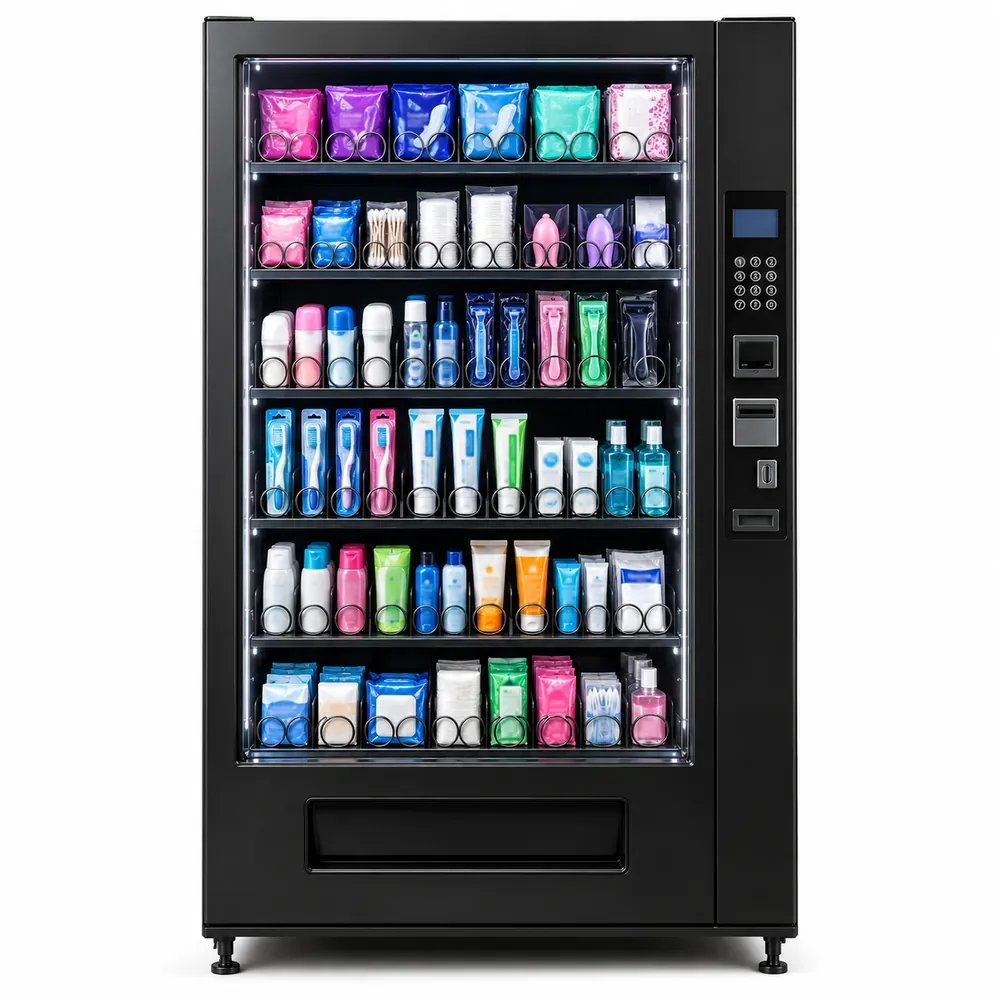
Best for
Places this machine suits
Have a different kind of site? Ask us whether it fits.
Catalogue
50 machine types for every place people gather.
By venue
Machine mixes planned around where they stand.
Healthcare & hygiene
Provides emergency hygiene products.
Best for
Have a different kind of site? Ask us whether it fits.
What it can stock
The final range is planned with you for each site.
Key points
Specifications
Sizes, capacity and hardware depend on the model and configuration we agree for your site. We share a spec sheet with your quote; the safety certification that applies to this model (such as BIS, where required) is confirmed in your written quote, and you can ask us for the documents.
Smart features
Options vary by model and are confirmed in your quote.
UPI QR, cards and wallets through the payment reader.
Browse by category and tap to buy, like the machines in our photos.
Stock levels, sales and alerts on a dashboard, so refills are planned.
Shelf layout and product mix planned around who uses the space.
Signage on the machine body to suit your venue or your brand.
Ways to get it
Pick the model that suits your budget and how hands-on you want to be. Terms are shared with your quote.
For businesses and operators
Own the machine outright and run it your way. We help with configuration, installation and training.
Ask about this option: buy a machineFor offices, campuses and sites
Pay a periodic fee instead of buying upfront, with servicing included as agreed in the contract.
Ask about this option: rent or subscribeFor hosts with space and footfall
We place, stock and maintain the machine; you provide the location. Subject to a site survey.
Ask about this option: we operate itFor entrepreneurs and franchisees
Run machines in your city with our hardware, software and support behind you.
Ask about this option: become a partnerHow we deploy it
Footfall, space, power and who will use it.
Machine model, product mix and payment options.
Delivery, set-up and a test run on site.
Refills planned from remote stock data.
Upkeep and support as per your agreement.
Related machines
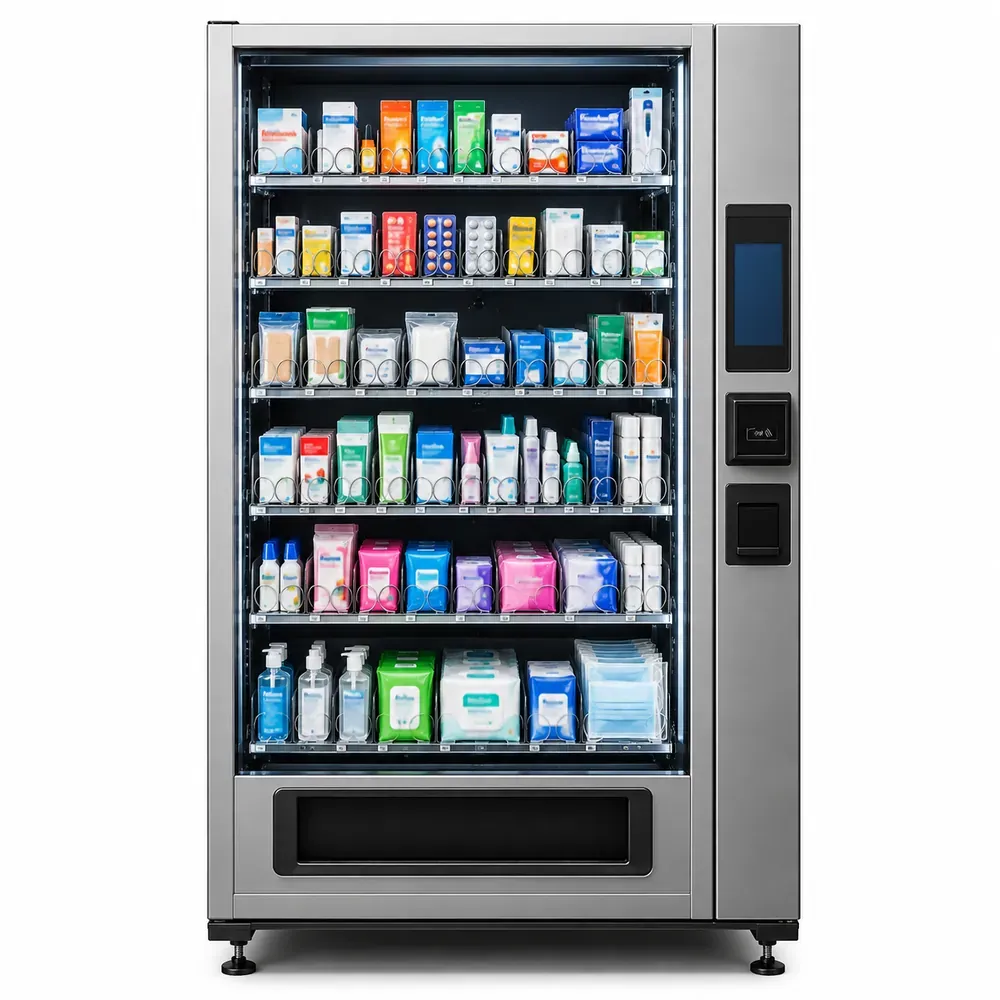
Dispenses permitted OTC and healthcare-related essentials.
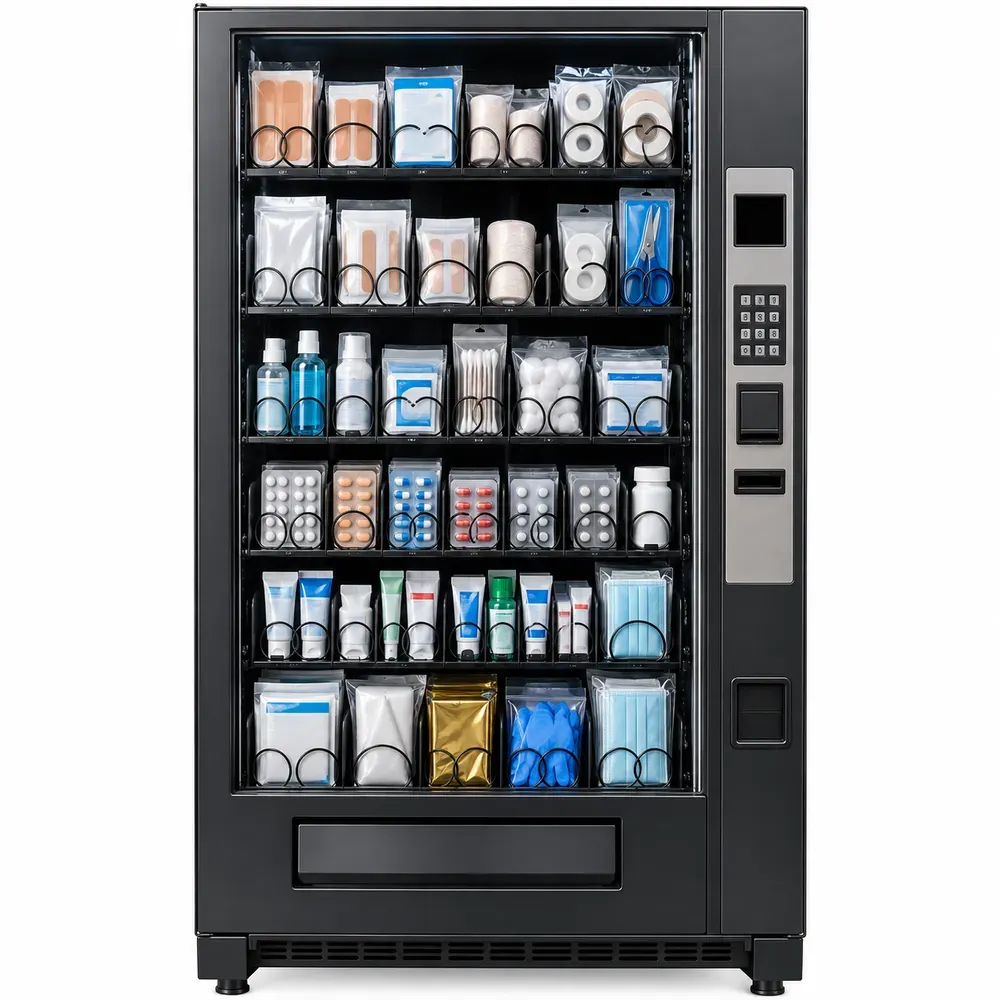
Provides emergency first-aid supplies.
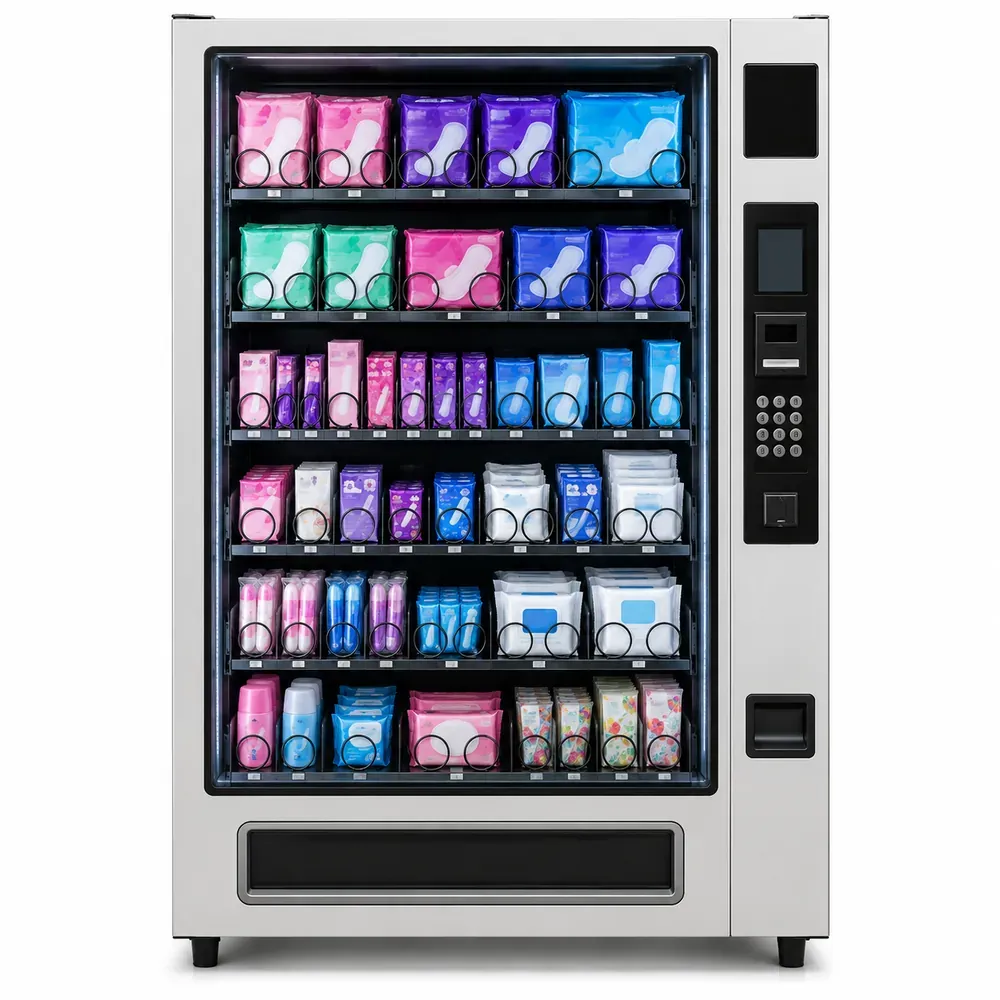
Dispenses sanitary pads and menstrual hygiene products.
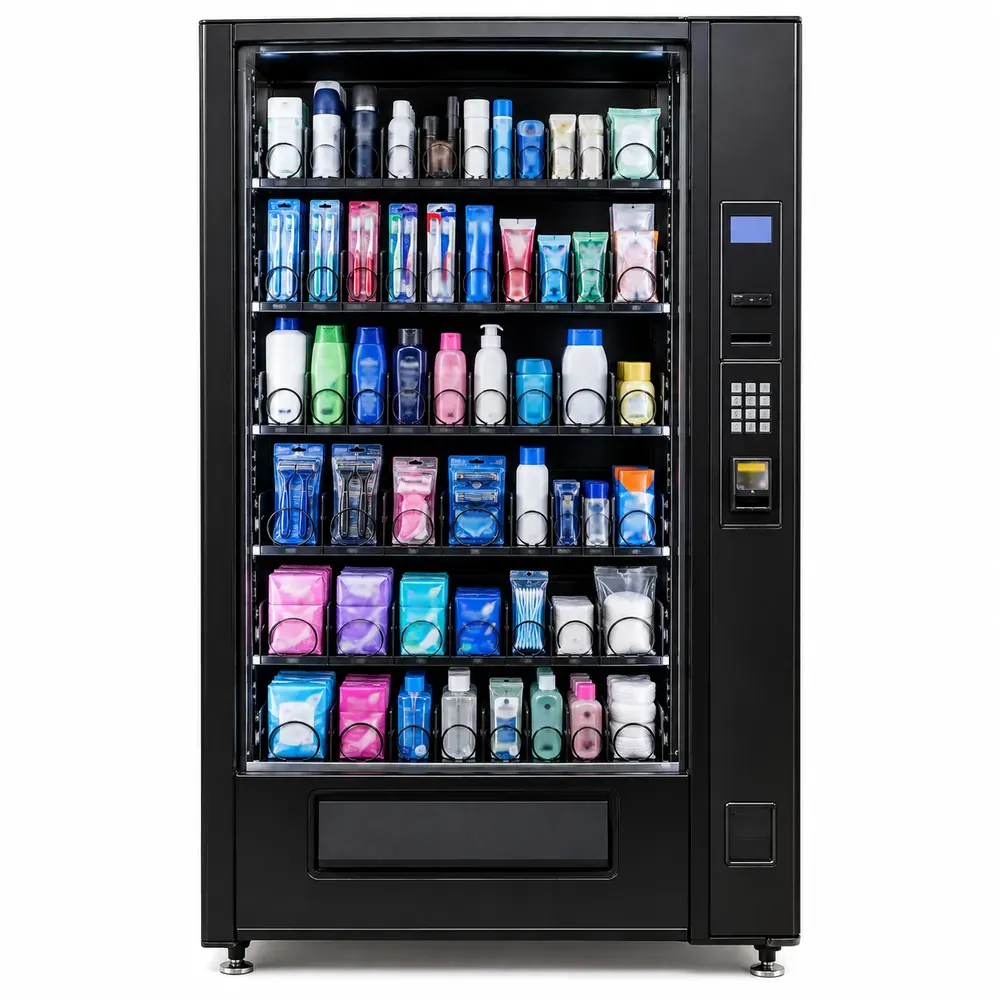
Sells toothbrushes, toothpaste, razors, combs and other toiletries.
Tell us where it will go and roughly how many people pass by. We reply with configuration options and the engagement model that suits you.
A personal hygiene vending machine gives people quick, self-service access to small daily-care items like tissues, wet wipes, hand sanitiser, toothbrush kits and deodorant. It works at any hour, with no shop counter and no need to find a staff member. When someone has a spill, a long trip or a sudden need, that matters a lot.
The page above lists where this machine is most often used: hotels, airports, offices and malls. This guide goes one step further. It explains what to stock, where to place it, how to choose the right model and how to keep it running well, so you can plan with confidence.
Here is the short version:
Good hygiene is about more than comfort. The World Health Organization guidance on hand hygiene explains how clean hands help stop the spread of germs. When sanitiser, wipes or soap strips are easy to reach, people use them more often.
In India, many people travel long distances by train, bus and air. They spend long hours in offices, malls and hospitals. In all these places, small hygiene needs come up every day. A traveller forgets a toothbrush. A guest spills tea on a shirt and needs wipes. An employee wants a mint before a big meeting.
Shops are not always open, and they are not always close. A personal hygiene vending machine fills that gap. It does not replace good washrooms, soap and water, or cleaning staff. It simply adds a reliable point for the small things people forget.
The right mix depends on your venue and your visitors. Start small, watch what sells, then adjust. A personal hygiene vending machine with ten to fifteen well-chosen items usually works better than one packed with forty slow sellers.
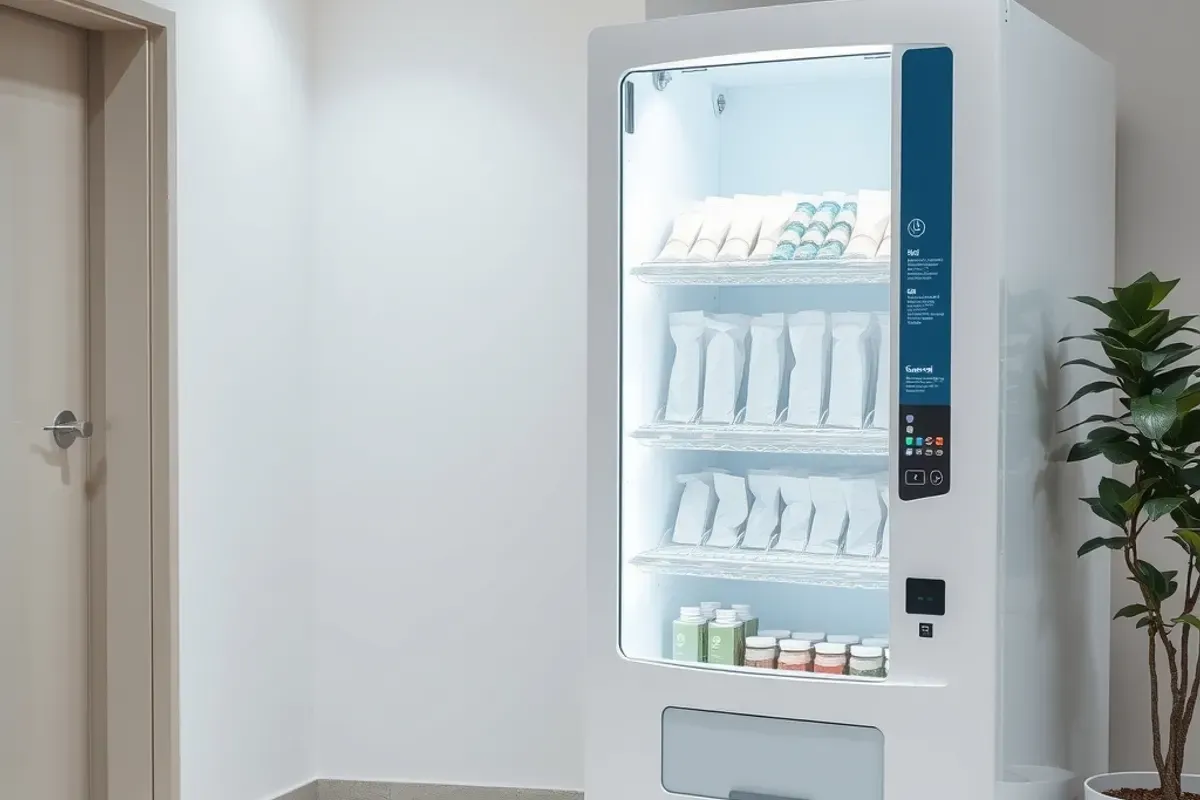
Some venues need more than the basics. Hotels may add shaving kits, shower caps and travel-size shampoo. Airports and stations may add face masks, ear plugs and eye masks for long journeys. Offices may add lint rollers, stain-remover pens and spare socks. Gyms may add small towels, body wipes and travel-size soap.
If you want a machine focused on one type of product, look at the sanitary pad vending machine or the toiletry vending machine. For mixed needs on the go, the travel essentials vending machine is another option.
Some items need extra thought before you stock them:
Placement decides whether a machine is used or ignored. The best spot is where people already walk, where the need is obvious and where the machine feels safe and private enough to use.
A machine placed just outside a restroom often does better than one placed inside. People feel more comfortable buying in an open, clean corridor. A restroom vending machine inside a washroom also needs extra protection from water and steam.
There is no single design that fits every site. The right model depends on how much space you have, how many people pass by and what you plan to sell. Here is a simple comparison of common formats.
| Format | Best for | Space needed | Item types | Things to check |
|---|---|---|---|---|
| Wall-mounted compact unit | Washroom corridors, small offices | Very small | Pads, wipes, tissues, mints | Wall strength, limited choice |
| Spiral or coil machine | Offices, hotel floors | Small to medium | Small boxed and bagged items | Pack sizes must fit the coils |
| Locker-style machine | Hotels, gyms, mixed kits | Medium | Bulky kits, towels, odd shapes | Fewer slots per square foot |
| Full-size glass-front machine | Malls, airports, busy offices | Large | Wide mix of hygiene products | Needs more floor space and footfall |
| Combo machine | Venues wanting snacks and hygiene | Large | Hygiene items plus packaged snacks | Food items need correct packaging |
A small floor with low footfall may only need a wall unit. A busy mall may need a full-size personal hygiene vending machine with many slots. If you are unsure, the vending machine finder helps you match a machine to your venue in a few steps.
Many modern machines include features that make life easier. These are model dependent and optional, so check them before you choose:
Learn more about connected features on our smart vending page.
In India, most people now prefer to pay with their phone. A hygiene products vending machine that only takes coins will miss many buyers. Digital payment is usually the most important feature to get right.
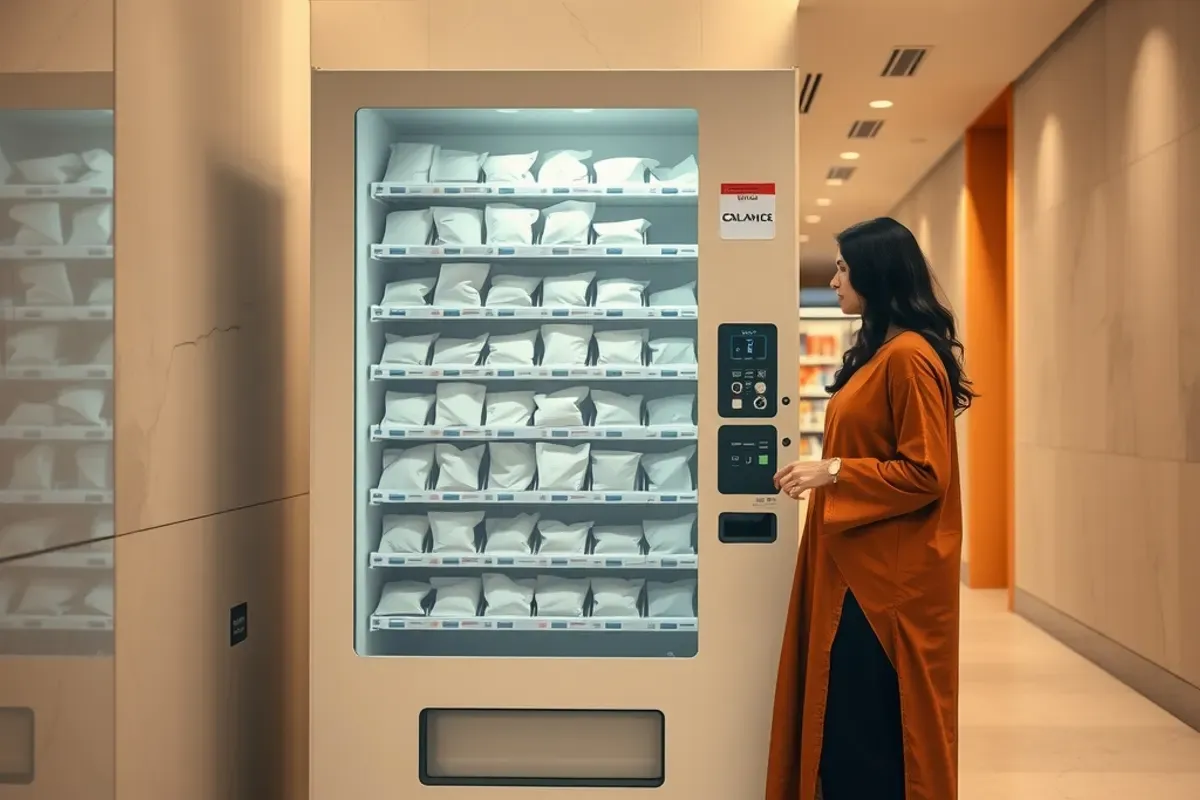
Payment options are model dependent. A good setup shows the price clearly, gives a refund path if an item does not drop, and works even when one payment method is down. Mobile network or Wi-Fi strength at the spot is worth checking before installation.
A machine is only as good as the way it is run. Empty slots, dusty glass or out-of-date stock quickly put people off. A simple routine keeps the personal hygiene vending machine useful and trusted.
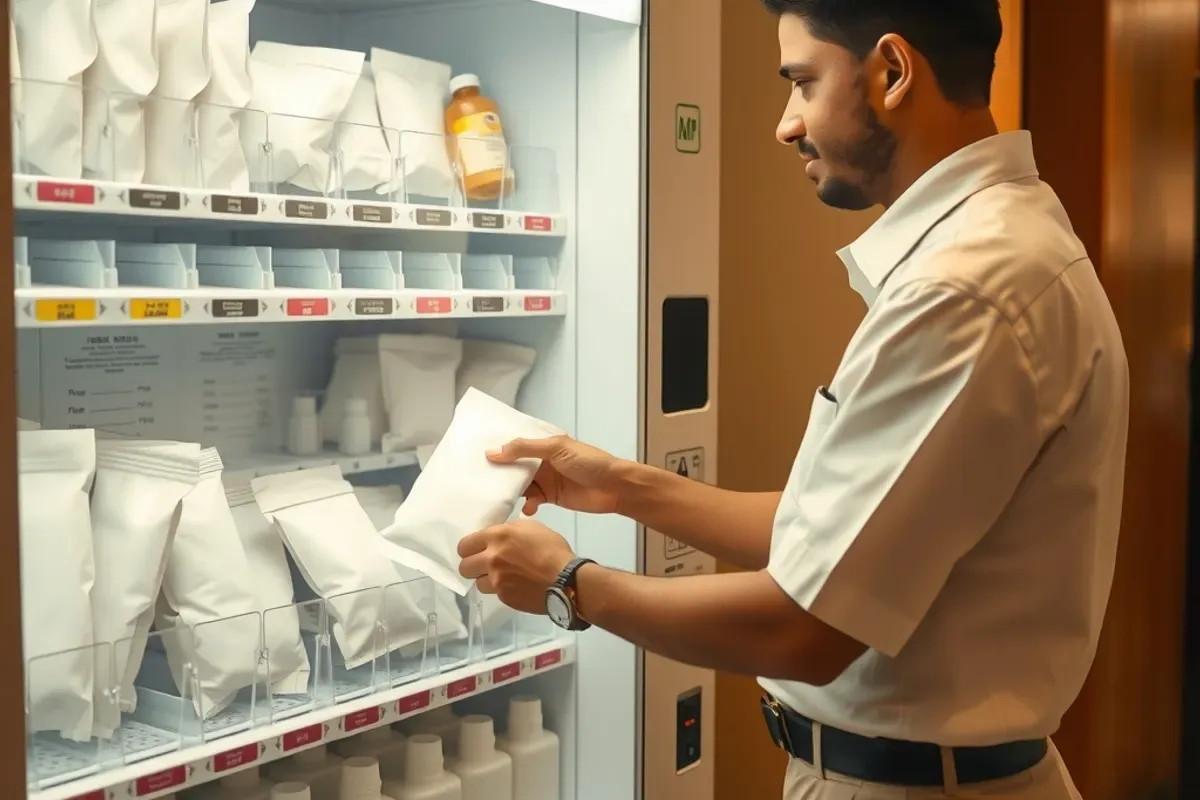
It would be strange to buy hygiene products from a dirty machine. Clean the touch points daily in busy spots, and weekly in quiet ones. Keep the area around the machine dry and free of litter. A small bin nearby helps people throw away wrappers.
Wrappers and packs add to waste, so it helps to plan for it. The Central Pollution Control Board page on plastic waste explains India’s rules on plastic waste management. Where possible, choose products with less packaging or recyclable packs.
After a month, look at what sells and what does not. Give more slots to top sellers. Replace slow items with ones people ask for. Seasonal changes matter too. Umbrellas, masks and extra tissues may sell more in the monsoon or during flu season.
Many venues already offer hygiene items at a front desk, a pharmacy or a small shop. Here is how a machine compares, in simple terms:
For many venues, the best answer is both. Keep the counter for wider needs and add a personal hygiene vending machine for quick, private, after-hours access.
Before you commit, ask a few plain questions. They help you decide whether a personal hygiene vending machine will earn its place or sit unused.
If the answer to most of these is yes, the idea is worth planning in detail. If you only have a handful of visitors a day, a small wall unit or a simple counter may suit you better. A restroom vending machine and a hygiene kit vending unit can also be planned together, with one stocked for daily needs and the other for kits.
Think about the worst moments. A guest has a spill before a meeting. A traveller loses a bag. A colleague needs a sanitary product with no time to find a shop. Stocking emergency hygiene products means these moments are handled calmly. Keep those items in easy-to-reach slots, label them clearly and refill them first, because a personal hygiene vending machine that is empty at the wrong time loses trust fast.
A few simple mistakes can make a good idea fail. Watch out for these:
Avoiding these mistakes keeps your personal hygiene vending machine trusted and your emergency hygiene products easy to find for regular users.
How the machine is supplied and run depends on the engagement model. Some venues prefer to buy a machine outright. Others prefer a model where an operator places, stocks and services the machine. Revenue-share or rental models may also be possible in some cases.
These options are not confirmed for every site, so ask us whether the model you want is available for your venue. If you want to run machines as a business yourself, our vending partner page explains how that may work.
If you are also planning first-aid supplies, the first aid vending machine can sit next to a hygiene kit vending unit. You can also explore the full list of vending machine types to see what else fits your venue.
Ready to plan a machine for your hotel, office, mall or travel hub? Tell us about your venue, your footfall and the items you want to stock. We will suggest a suitable model and talk you through the options.
Request a free personal hygiene vending machine quote and share your site details. Any BIS or safety certification, engagement model and pricing is confirmed in your written quote.
No. A washroom corridor is a common spot, but it is not the only one. Hotel lobbies, airport gates, office pantries, gym receptions and mall rest areas all work well. The best place is where people already pass and where a forgotten item causes a real problem. Look at where staff are asked most often for spare items.
Yes, sealed hand sanitiser, mouthwash and travel-size liquids can usually be stocked if they are packed properly and kept away from heat. Any item that counts as a medicine is limited to permitted OTC essentials only, checked for your site first. Hot spots near kitchens or direct sun should be avoided for liquids.
Some machines support a free-vend mode, a code-based mode or an employee ID mode where the host pays for the stock. This is model dependent. Tell us how you want access to work, and ask us whether a suitable model and engagement option is available for your venue.
Start with a simple weekly check and a written refill log. After a month you will know which items move fastest, so you can give them more slots. Some machines can send stock alerts over the internet, but this is model dependent, so keep the written log as a backup.
For general toiletries and wipes, most venues only need the building owner's permission and a safe power point. Medicines, food-type items or anything special may need extra checks. The rules depend on what you stock and who runs the machine, so confirm them for your site before stocking starts. Any BIS or safety certification is confirmed in your written quote.
A compact spiral or locker-style unit is often enough for one floor, a small office or a boutique hotel. Larger venues with heavy footfall may need a full-size unit with more slots. Share your footfall and the items you want, and we can suggest sizes that fit your space.