
Best for
Places this machine suits
Have a different kind of site? Ask us whether it fits.
Catalogue
50 machine types for every place people gather.
By venue
Machine mixes planned around where they stand.
Healthcare & hygiene
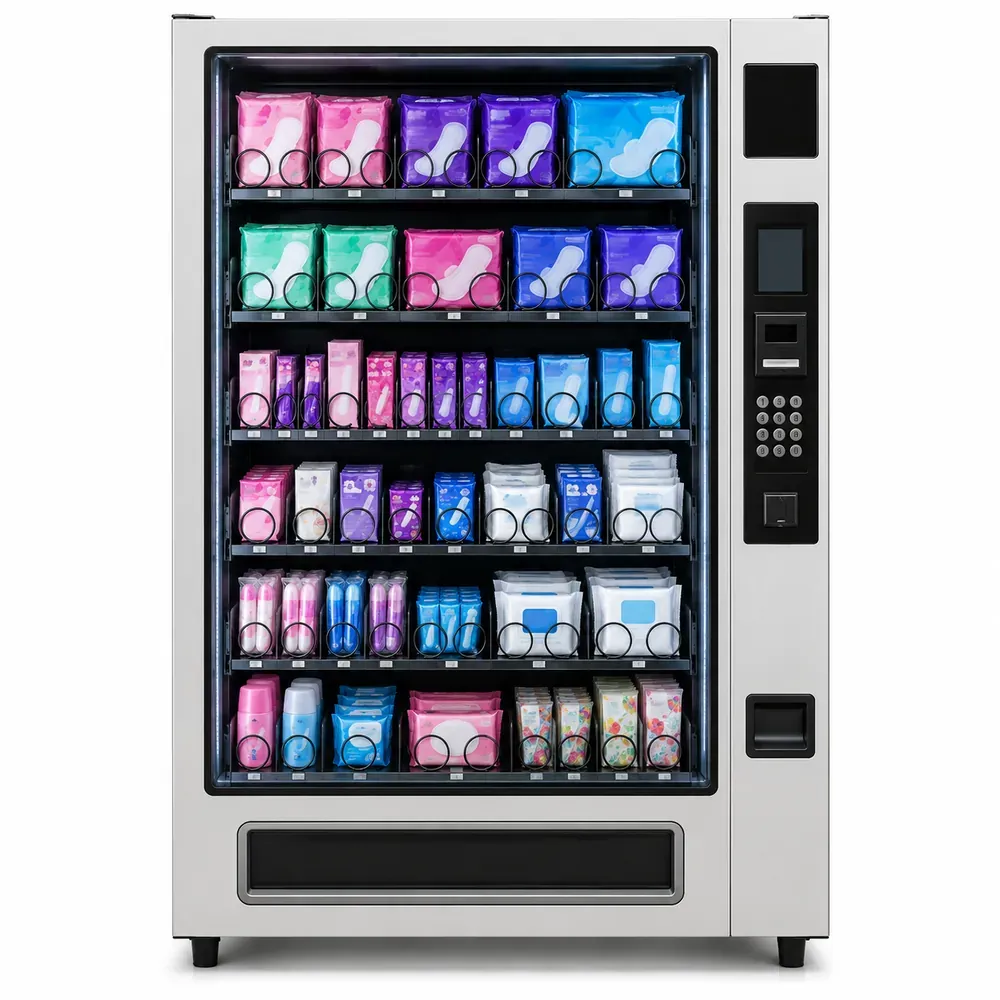
Dispenses sanitary pads and menstrual hygiene products.
Best for
Have a different kind of site? Ask us whether it fits.
What it can stock
The final range is planned with you for each site.
Key points
Specifications
Sizes, capacity and hardware depend on the model and configuration we agree for your site. We share a spec sheet with your quote; the safety certification that applies to this model (such as BIS, where required) is confirmed in your written quote, and you can ask us for the documents.
Smart features
Options vary by model and are confirmed in your quote.
UPI QR, cards and wallets through the payment reader.
Browse by category and tap to buy, like the machines in our photos.
Stock levels, sales and alerts on a dashboard, so refills are planned.
Shelf layout and product mix planned around who uses the space.
Signage on the machine body to suit your venue or your brand.
Ways to get it
Pick the model that suits your budget and how hands-on you want to be. Terms are shared with your quote.
For businesses and operators
Own the machine outright and run it your way. We help with configuration, installation and training.
Ask about this option: buy a machineFor offices, campuses and sites
Pay a periodic fee instead of buying upfront, with servicing included as agreed in the contract.
Ask about this option: rent or subscribeFor hosts with space and footfall
We place, stock and maintain the machine; you provide the location. Subject to a site survey.
Ask about this option: we operate itFor entrepreneurs and franchisees
Run machines in your city with our hardware, software and support behind you.
Ask about this option: become a partnerHow we deploy it
Footfall, space, power and who will use it.
Machine model, product mix and payment options.
Delivery, set-up and a test run on site.
Refills planned from remote stock data.
Upkeep and support as per your agreement.
Related machines
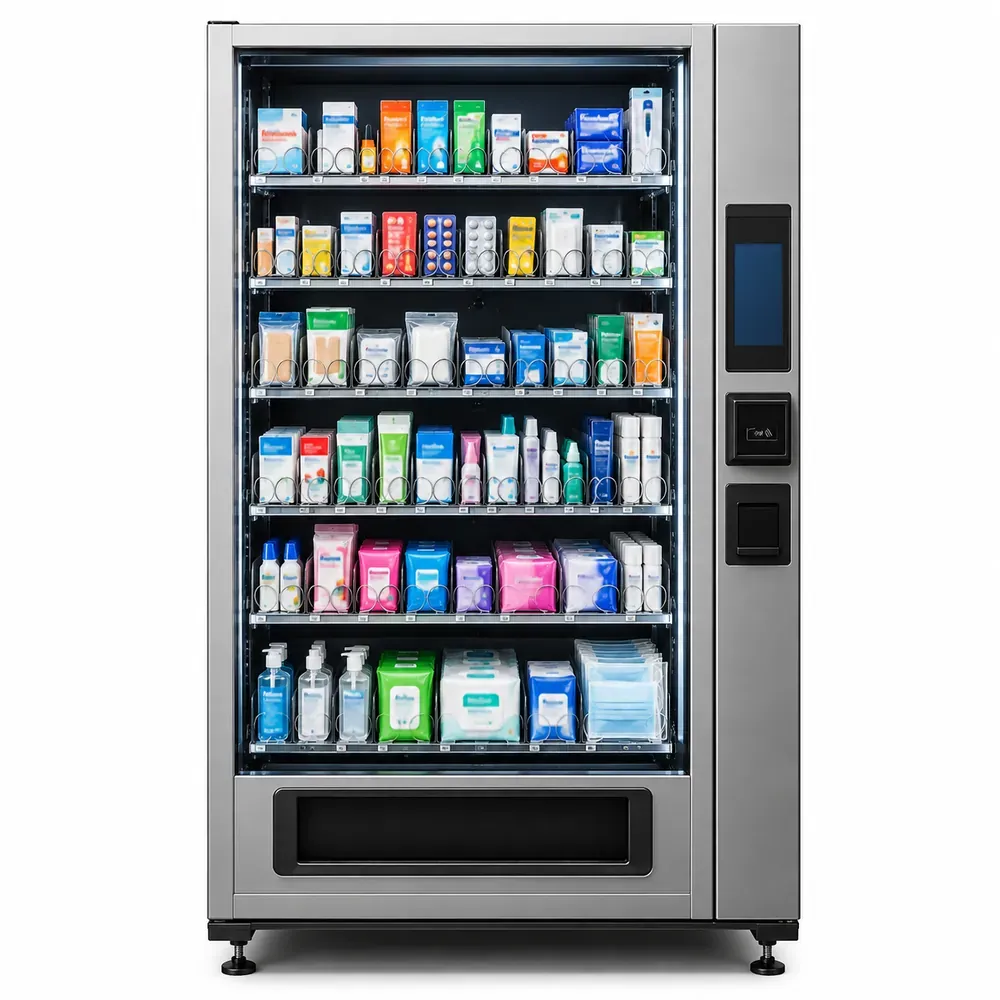
Dispenses permitted OTC and healthcare-related essentials.
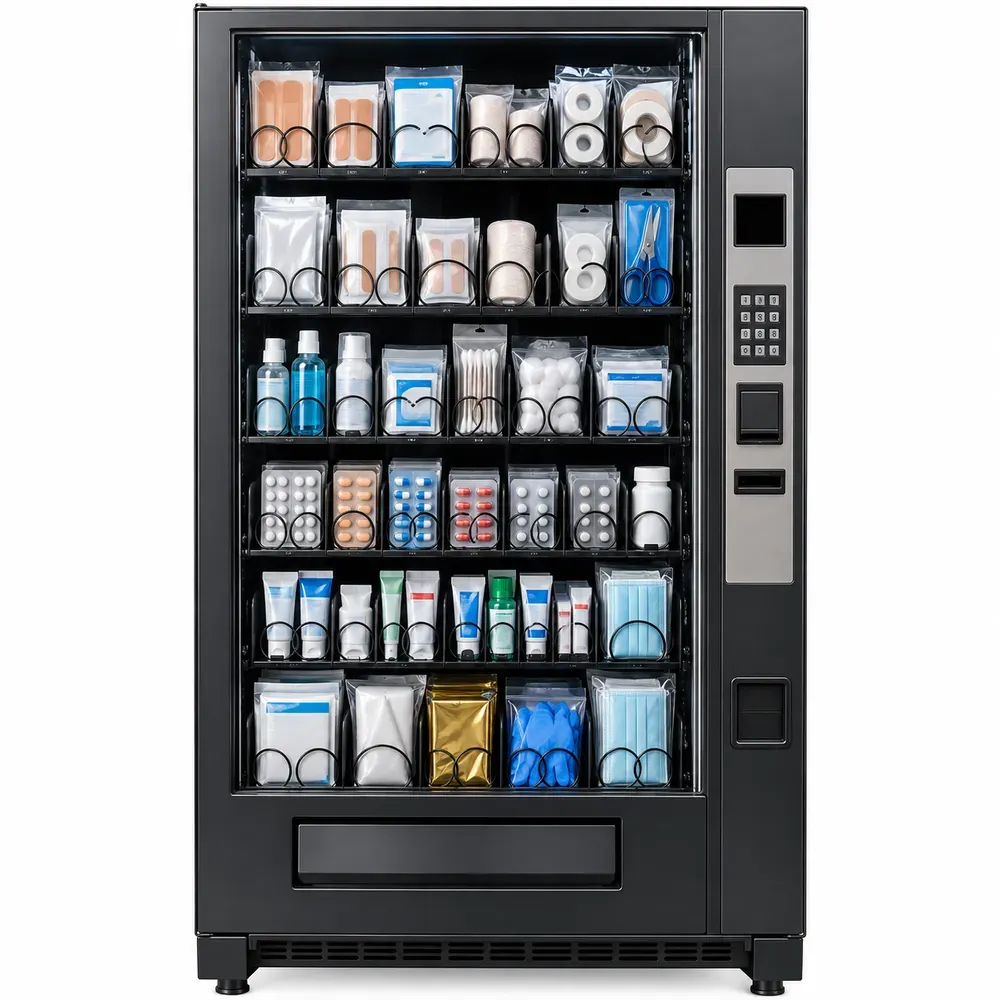
Provides emergency first-aid supplies.
Provides emergency hygiene products.
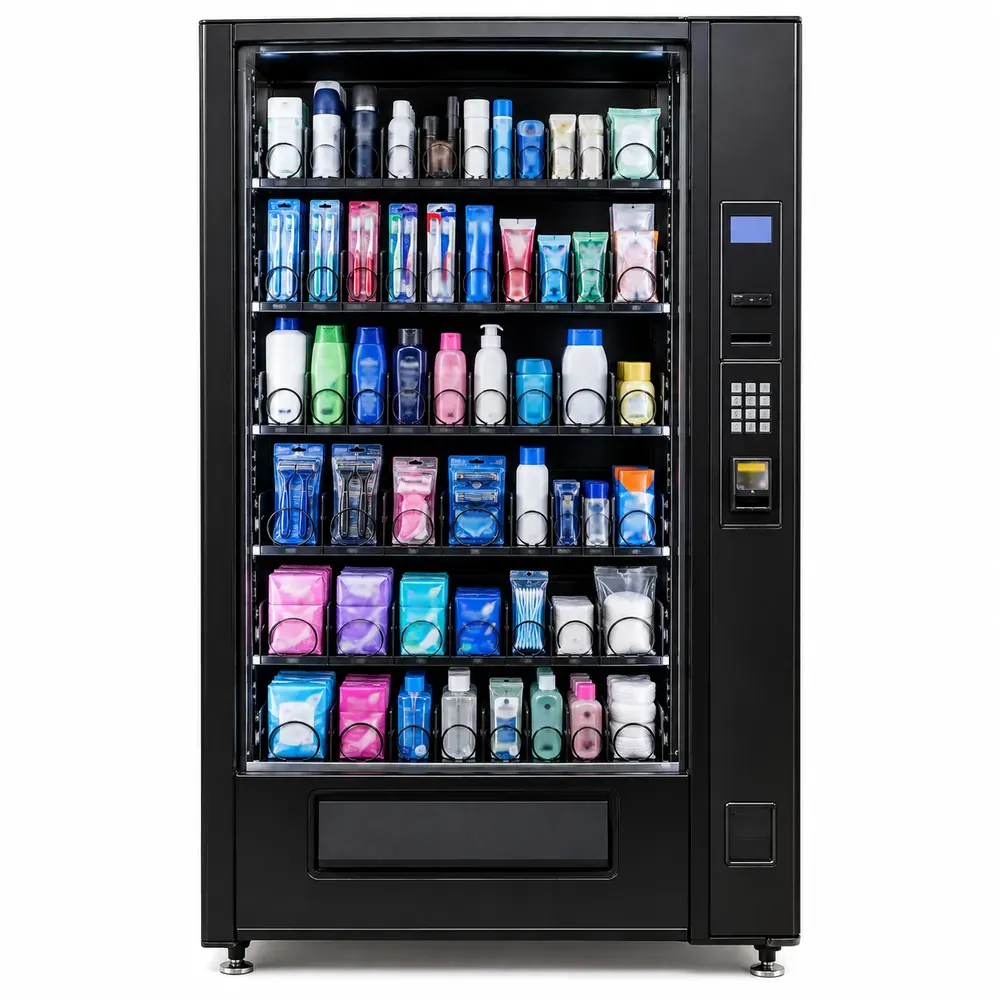
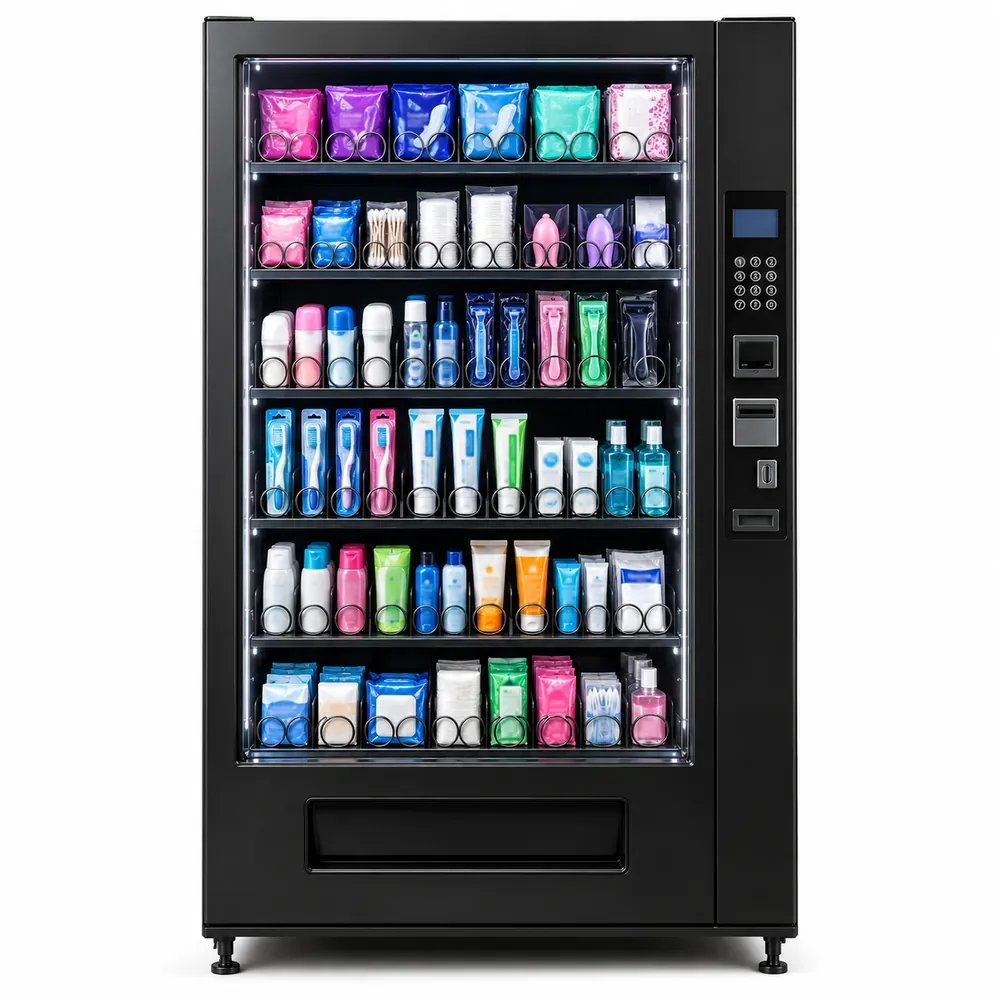
Sells toothbrushes, toothpaste, razors, combs and other toiletries.
Tell us where it will go and roughly how many people pass by. We reply with configuration options and the engagement model that suits you.
A sanitary pad vending machine is a self-service unit that sells sealed menstrual hygiene packs at any hour, without asking anyone for help. Periods can start early, run late or arrive without warning. When a shop is far away, shut or simply uncomfortable to visit, a machine close to the washroom solves a real and recurring problem.
In many Indian colleges, offices and hospitals, women still have to walk out of the building, ask a colleague or go without. A sanitary napkin vending machine removes that friction. It also helps institutions show that they take student and staff welfare seriously, which matters for attendance and comfort.
This guide covers how to plan, stock, place and run a sanitary pad vending machine. It focuses on the practical choices that decide whether the machine is trusted and used, or ignored and left empty.
The basic flow is the same as any snack machine, but with extra attention to privacy and speed. Each product sits in a numbered slot. The user picks a slot, pays or confirms a free vend, and the pack drops into a pickup tray.
Smart features such as remote stock alerts, sales reports and price changes from a phone are optional and depend on the model. Ask us which features the shortlisted machine supports before you finalise anything.
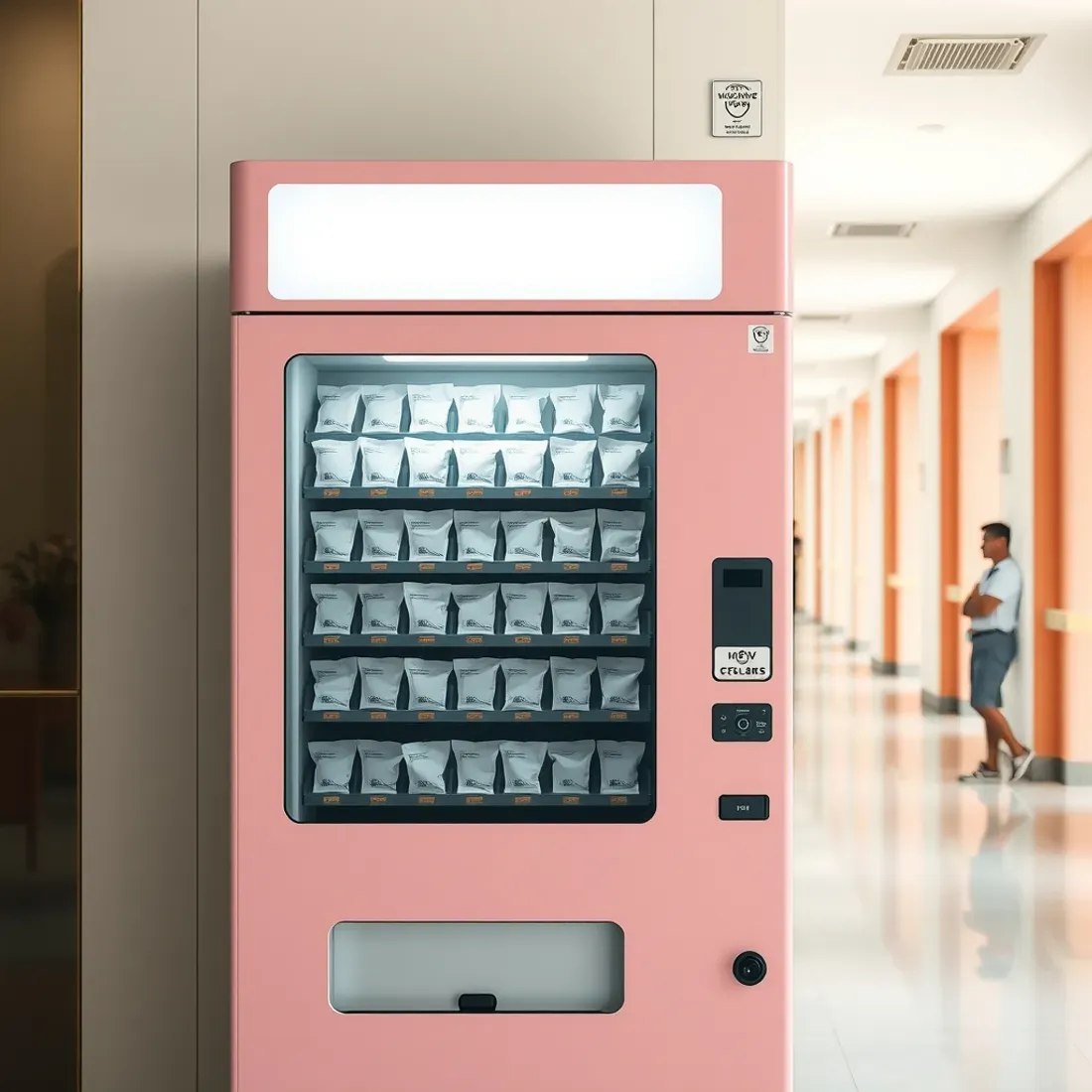
Pad packs are light, flat and fairly soft. Compared with a rigid snack box, they behave differently in a spiral.
A good pad dispenser machine often mixes two slot types. Measure your top-selling packs and share the sizes with us, so the slot plan fits real products instead of guesses.
The right product mix decides how useful the machine feels. Start with what users ask for every month and avoid slow, costly items in the first weeks.
| Item | Usual pack | Best slot | Reason users buy it |
|---|---|---|---|
| Regular day pads | Small packs | Standard spiral | Most common need |
| Overnight or extra long pads | Small to medium packs | Wide coil | Used at specific times |
| Panty liners | Slim packs | Standard spiral | Light, easy to carry |
| Tampons or cups (if you choose) | Small boxes | Standard spiral | Preferred by some users |
| Hand wipes | Small packs | Standard spiral | Pairs with pads |
| Spare disposal bags | Thin packs | Standard spiral | Helps tidy disposal |
Only sell sealed, labelled packs from reliable suppliers, and check the manufacturing and expiry details at every refill. Request the labelling and quality details from each supplier in writing, and file them where the person doing refills can find them. Hygiene products are personal, so users should be able to trust what they buy.
Stock the brands your users already know, but keep the machine itself plain. A neutral, unbranded front looks calm and respectful, and it avoids clutter in a busy corridor.
In the first few weeks, stock your sanitary pad vending machine with fewer types and more units of the fast movers. Note which rows empty fast, which gather dust and what users request at the help desk. A row that empties every few days is a clear sign to give that product more space. Slow items can be swapped out quietly.
Where you put the unit counts for as much as what goes inside it. A sanitary pad vending machine in a hidden corner may feel private but can also feel unsafe. A machine in the middle of a crowded hall may make users shy. The aim is a spot that is easy to find, well lit and close to a washroom, yet not on display.
Our campus vending solutions page explains how machines fit into colleges and universities, including approvals and placement. The office vending solutions page covers workplace layouts, and the hospital vending solutions page looks at waiting areas and wards.
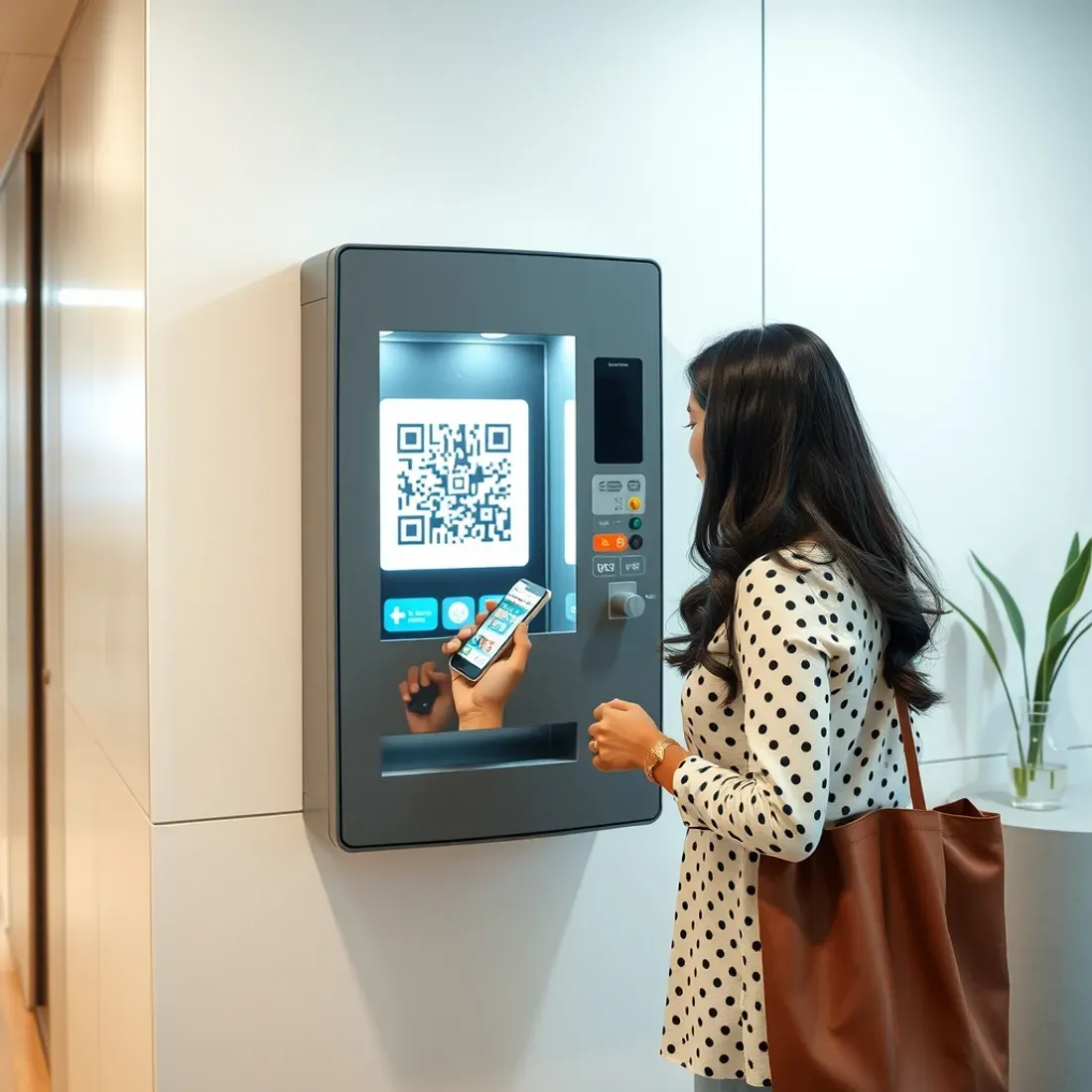
Walk the spot at different times of day. Check that the floor is level and can bear the weight of a loaded machine. Make sure there is a safe, earthed power point and that the area stays dry. Confirm that a stable mobile network or Wi-Fi signal exists if you want UPI payments and remote alerts.
Also think about safety. The area should have good lighting and, where your site already uses it, camera coverage of the corridor and not of the user at the machine. Place a dustbin or disposal point nearby, and plan who keeps it clean.
Menstrual health is still a sensitive topic in many places. The way a sanitary pad vending machine looks and where it stands can make users feel respected or exposed. Small design choices add up.
A respectful sanitary pad vending machine setup builds trust. Users return to a machine that feels safe and discreet.
Most Indian users now expect to pay by UPI at a sanitary pad vending machine. Scanning a QR code takes seconds and nobody needs loose coins. UPI is run by the National Payments Corporation of India and works with most banks and payment apps.
Some institutions prefer a free-vend or token approach, for example for students in a hostel. Cash and card options may help in public places. Payment options differ from one model to another, so get them listed in your quote.
A deducted payment with no pack in the tray will happen sooner or later. Decide how you will respond before the first sale.
Quick, fair refunds on a sanitary pad vending machine matter even more for a product people may need urgently. A sanitary pad vending machine that treats users well earns repeat use.
A sanitary pad vending machine is only as good as its upkeep. Empty rows, expired packs or a dirty tray will push users back to hunting for a shop.
Set a written routine and stick to it. A simple plan might look like this:
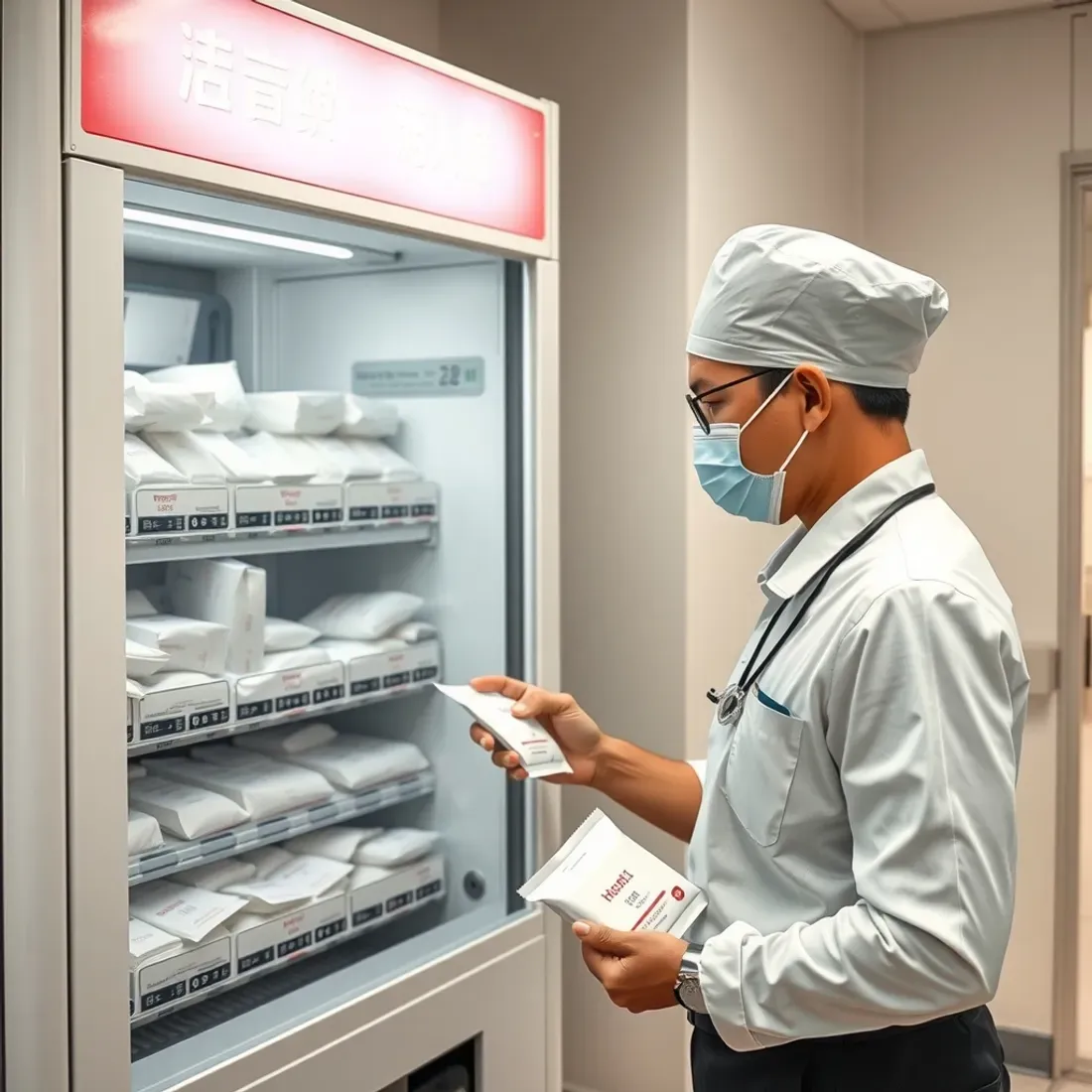
Pads should stay dry and clean. Keep the machine away from drains, leaking taps and damp walls. In humid months, check that packs are not softening. A ventilated, shaded spot helps, and a clean surrounding area keeps insects away.
Never assume electrical safety, and never take it on trust from a verbal promise. Whatever BIS or other safety certification applies to a particular unit will be set out in your written quote. For background on Indian product standards, see the Bureau of Indian Standards website. Use an earthed power point and keep cables tidy and out of the way.
Access to clean products and a private place to use them is part of basic health and dignity. When people cannot find a pad in time, they may use unsafe alternatives, leave work or skip class. A menstrual hygiene vending machine, or a period product vending machine, will not solve every problem, but it does remove one common barrier at the moment it matters.
India’s national health authorities publish information on menstrual hygiene programmes and awareness. The Ministry of Health and Family Welfare website is a good starting point if you want to read about current public health guidance. A machine works best alongside awareness sessions, clean washrooms and proper disposal facilities, not instead of them.
A sanitary pad vending machine that sells pads but offers nowhere to dispose of them creates a new problem. Pair the sanitary pad vending machine with covered bins in washrooms and a regular collection routine. Where your site already has an incinerator or disposal service, tell users how it works through a small, discreet notice.
A sanitary pad vending machine is not the only way to give people easy access to hygiene products. Weigh it against the usual alternatives.
For many sites, the best answer is a mix. The machine covers urgent and late-night needs, while bulk monthly orders still come from shops or delivery.
If your site has fewer users, a single-purpose machine may not see enough sales. A wider hygiene machine can carry pads along with other essentials. Our personal hygiene vending machine page covers machines built around everyday personal care products. Hospitals and offices may also like the first aid vending machine for basic care items. The full vending machine range lets you compare other sizes and formats.
There are different ways to bring a machine to your site. The right one depends on your budget, how much effort you want to put in and the number of users nearby.
Thinking of placing machines as a business? Our partner page describes how to open that discussion. If you are unsure which model suits the site, the four-step machine finder helps you shortlist.
A few simple errors cause most of the problems we hear about with new machines.
Run through these steps before asking for a quote:
Ready to plan a sanitary pad vending machine for your college, office or hospital? Share your site details, expected number of users and product list, and we will help you choose a suitable model. Request a free sanitary pad vending machine quote, and you can compare the options that fit your site.
It helps most where women and girls spend long hours away from home and a shop is not close by. Colleges, offices, hospitals and public facilities are the usual choices. Place it near a washroom, in a spot that feels private but is still safe and well lit. A short survey of your users will tell you whether demand is steady enough.
Both approaches exist. Some institutions run a paid machine through UPI, and others fund the packs themselves so users take them at no charge. Whether free vend or coin and card options are available is model dependent, so ask us what your shortlisted machine supports before you decide.
That depends on the model and slot layout. Pad packs are light and flat, so most spiral or shelf units hold a good number, but the exact count changes with pack size. Share the sizes of the packs you want to sell and we can suggest a slot plan that fits them without jams.
This is rare but can happen with any machine. Better models detect a failed drop and refund or retry, though this is model dependent. Put a clear help number or QR code on the front so a user can report the problem quickly and get a fair refund without embarrassment.
This depends on the arrangement you choose. Some sites use their own housekeeping staff, and others prefer a service team. Ask us whether a managed refill option is available for your location, and agree on the routine in writing before the machine is installed.