
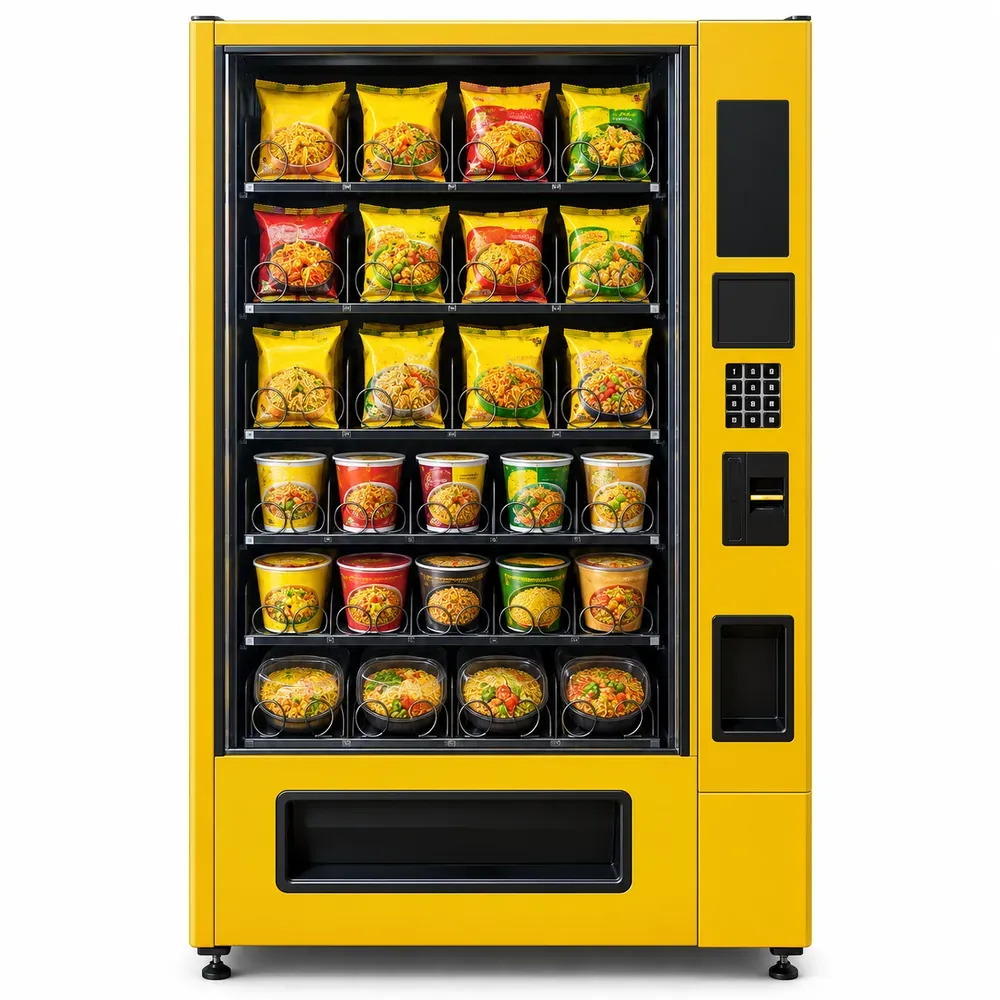
Best for
Places this machine suits
Have a different kind of site? Ask us whether it fits.
Catalogue
50 machine types for every place people gather.
By venue
Machine mixes planned around where they stand.
Meals
Automatically prepares hot instant noodles or similar meals.
Best for
Have a different kind of site? Ask us whether it fits.
What it can stock
The final range is planned with you for each site, with food and drink to be stocked in FSSAI-compliant packaging.
Key points
Specifications
Sizes, capacity and hardware depend on the model and configuration we agree for your site. We share a spec sheet with your quote; the safety certification that applies to this model (such as BIS, where required) is confirmed in your written quote, and you can ask us for the documents.
Smart features
Options vary by model and are confirmed in your quote.
UPI QR, cards and wallets through the payment reader.
Browse by category and tap to buy, like the machines in our photos.
Stock levels, sales and alerts on a dashboard, so refills are planned.
Chilled, frozen or heated compartments, depending on the model.
Shelf layout and product mix planned around who uses the space.
Signage on the machine body to suit your venue or your brand.
Ways to get it
Pick the model that suits your budget and how hands-on you want to be. Terms are shared with your quote.
For businesses and operators
Own the machine outright and run it your way. We help with configuration, installation and training.
Ask about this option: buy a machineFor offices, campuses and sites
Pay a periodic fee instead of buying upfront, with servicing included as agreed in the contract.
Ask about this option: rent or subscribeFor hosts with space and footfall
We place, stock and maintain the machine; you provide the location. Subject to a site survey.
Ask about this option: we operate itFor entrepreneurs and franchisees
Run machines in your city with our hardware, software and support behind you.
Ask about this option: become a partnerHow we deploy it
Footfall, space, power and who will use it.
Machine model, product mix and payment options.
Delivery, set-up and a test run on site.
Refills planned from remote stock data.
Upkeep and support as per your agreement.
Related machines
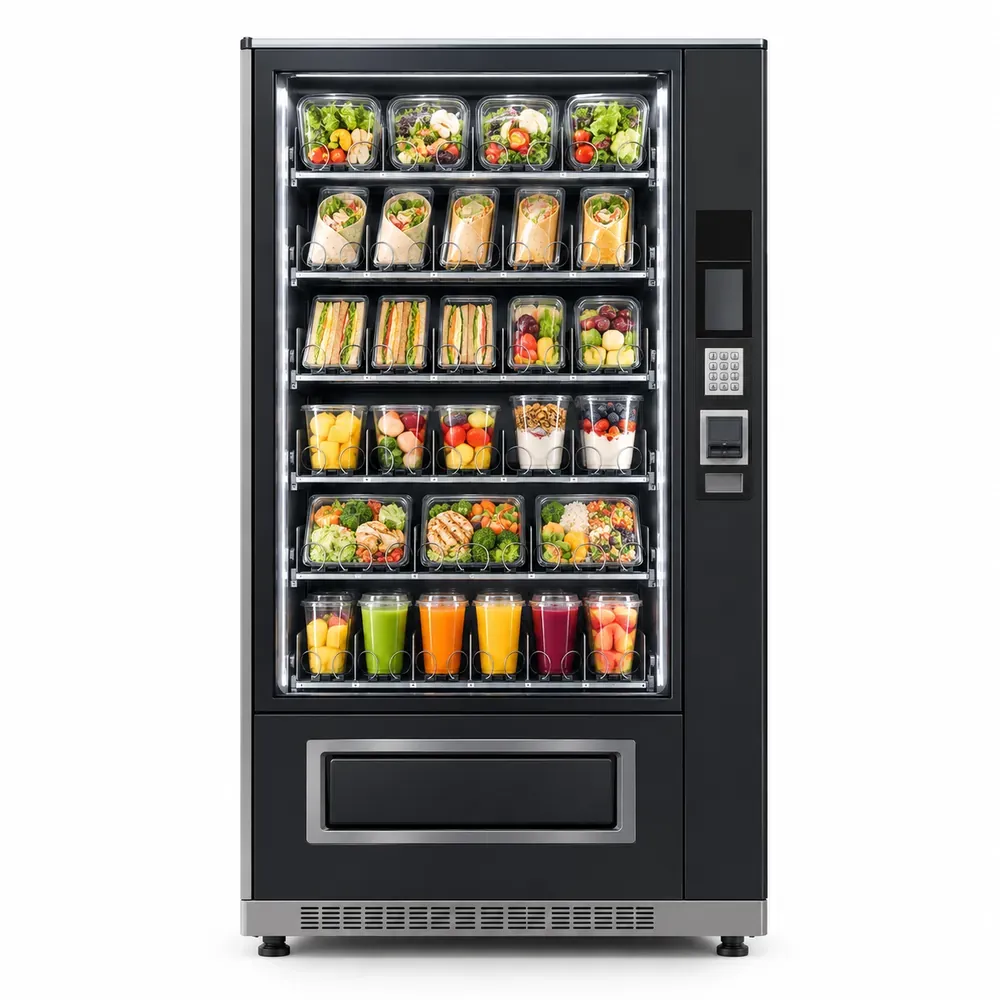
Refrigerated machine selling ready-to-eat meals, sandwiches, salads and wraps.
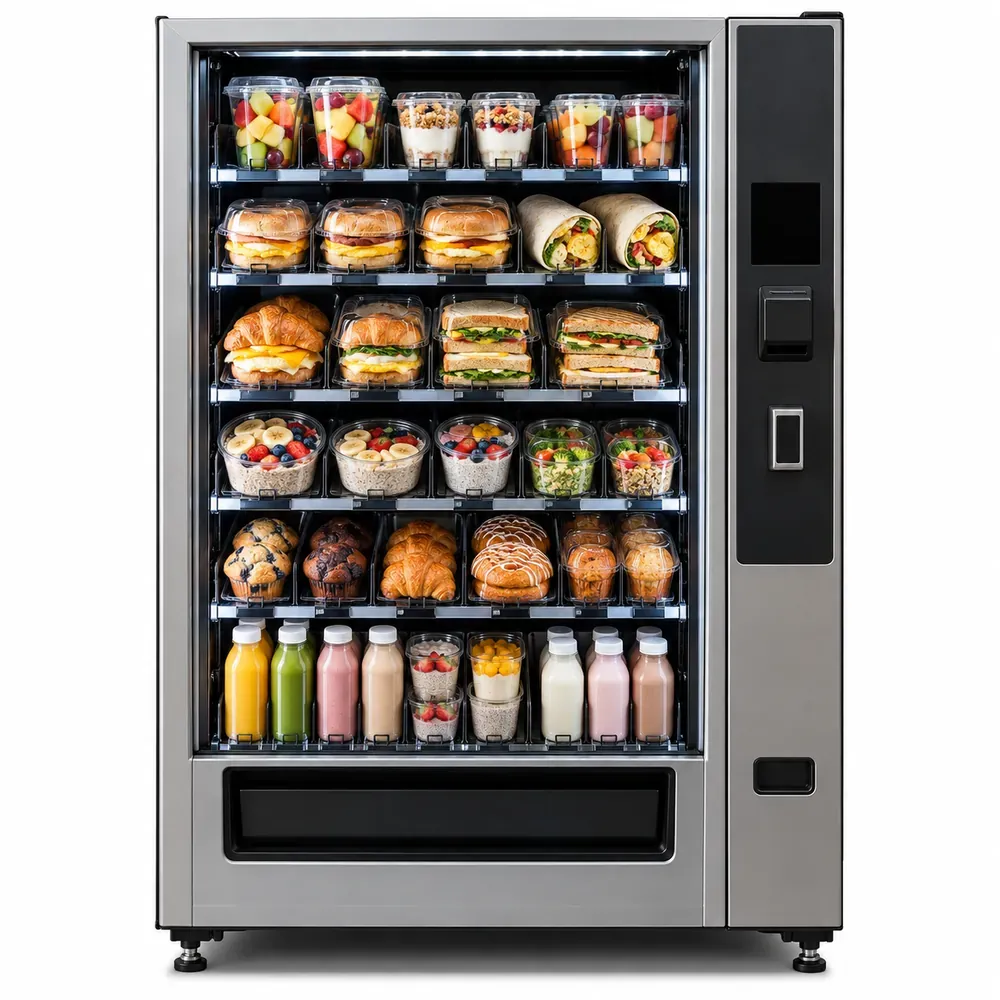
Offers ready-to-eat breakfast items such as poha, upma, idli and sandwiches.
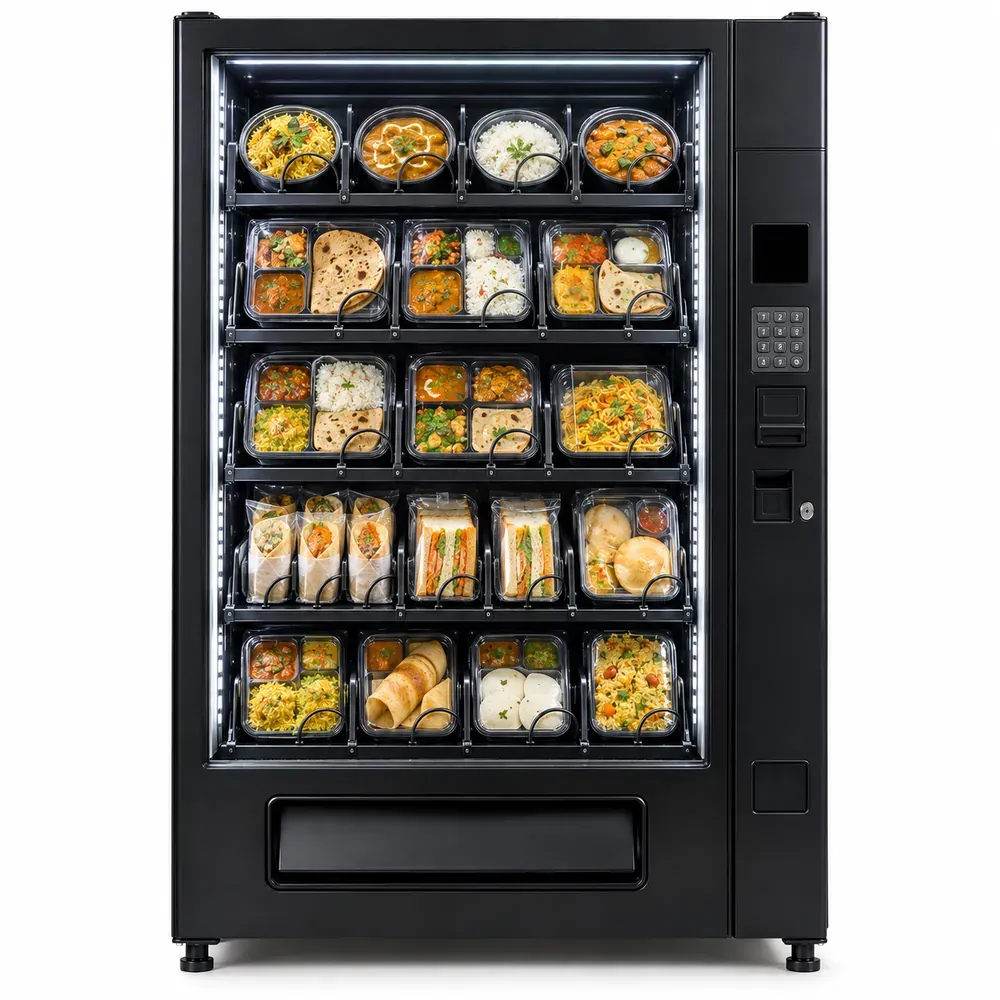
Dispenses packaged Indian meals such as dal-rice, rajma, biryani and thali meals.
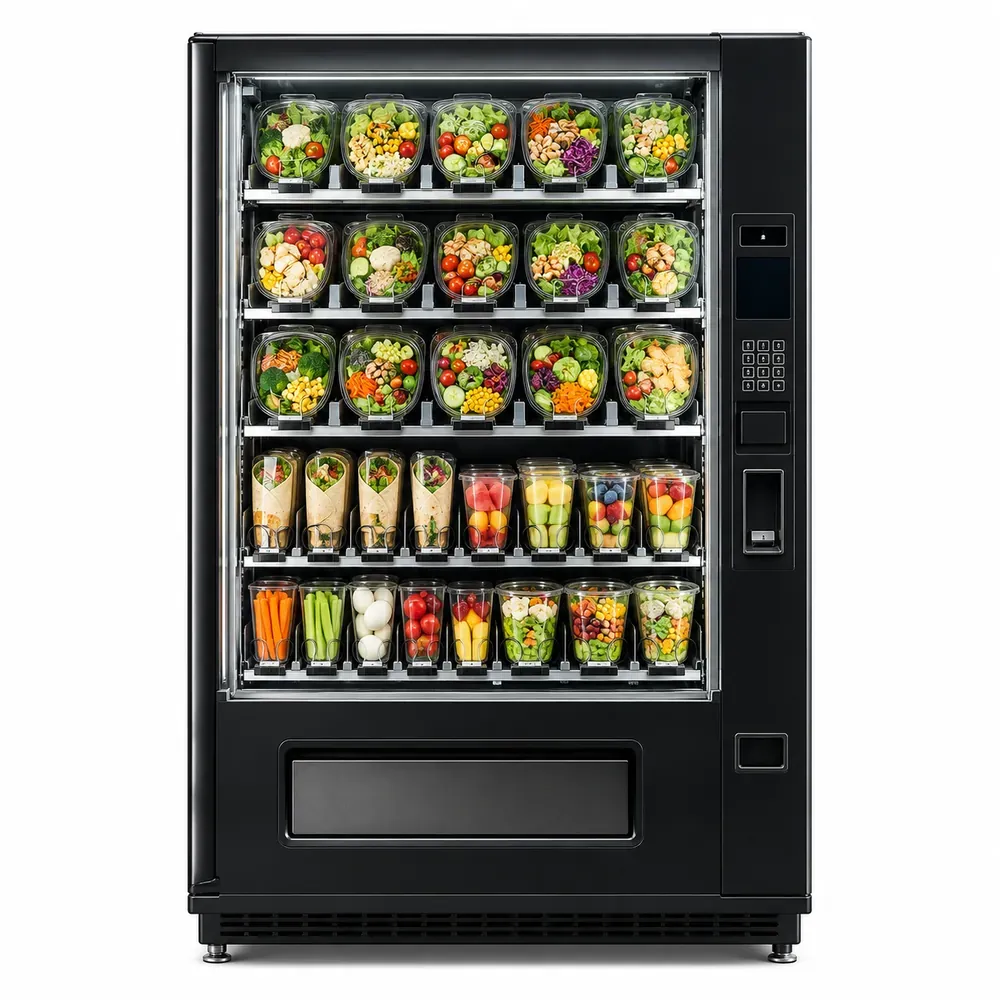
Provides ready-to-eat salads in refrigerated compartments.
Tell us where it will go and roughly how many people pass by. We reply with configuration options and the engagement model that suits you.
A noodle vending machine prepares a hot cup of instant noodles on its own, so students and staff can get a warm, filling snack in minutes, at any hour. In Indian colleges, hostels, offices and gaming centres, a plate of masala noodles is one of the most loved quick meals. This guide explains how the machine works, where it fits best, what to stock, and what to check before you ask for a quote.
Instant noodles are a comfort food for almost every Indian student and young professional. They are cheap, quick, filling and easy to like. Late at night in a hostel, or between meetings in an office, a hot bowl of noodles often beats a packet of biscuits.
The problem is that hot food is not always available. Mess kitchens close after dinner. Office pantries may only have a kettle and a microwave, and a long queue for both. Students cook noodles in their rooms on electric kettles, which can be unsafe and is often against hostel rules.
A noodle vending machine solves this simply. Think of it as an automatic noodle maker machine that keeps sealed noodle cups ready, adds hot water or cooks them inside, and hands over a ready-to-eat portion. No cook, no cashier and no open flame is needed.
Here is why a noodle vending machine fits Indian sites so well:
There are two broad ways a noodle vending machine can work. The right one for you depends on your budget, your users and how much cleaning your team can handle.
This is the simplest type of instant noodle vending machine. It stores sealed instant noodle cups or bowls. When a user pays, the machine releases one cup, peels or opens the lid area, adds a measured amount of hot water, and passes the cup out through a pickup slot. The user waits a short time, stirs and eats.
Because the noodles never touch the inside of the machine, cleaning is easier. Stock is also simple, since you only need sealed cups and safe drinking water.
Some noodle vending machine models go a step further. They boil or steam the noodles inside a small cooking chamber, add seasoning, and serve the finished dish into a bowl. These can make the taste closer to a home-cooked plate.
The trade-off is more cleaning, more parts to service and usually more power. They need careful hygiene routines because food is handled inside the machine.
Whatever the type, most noodle vending machine models follow a pattern like this:
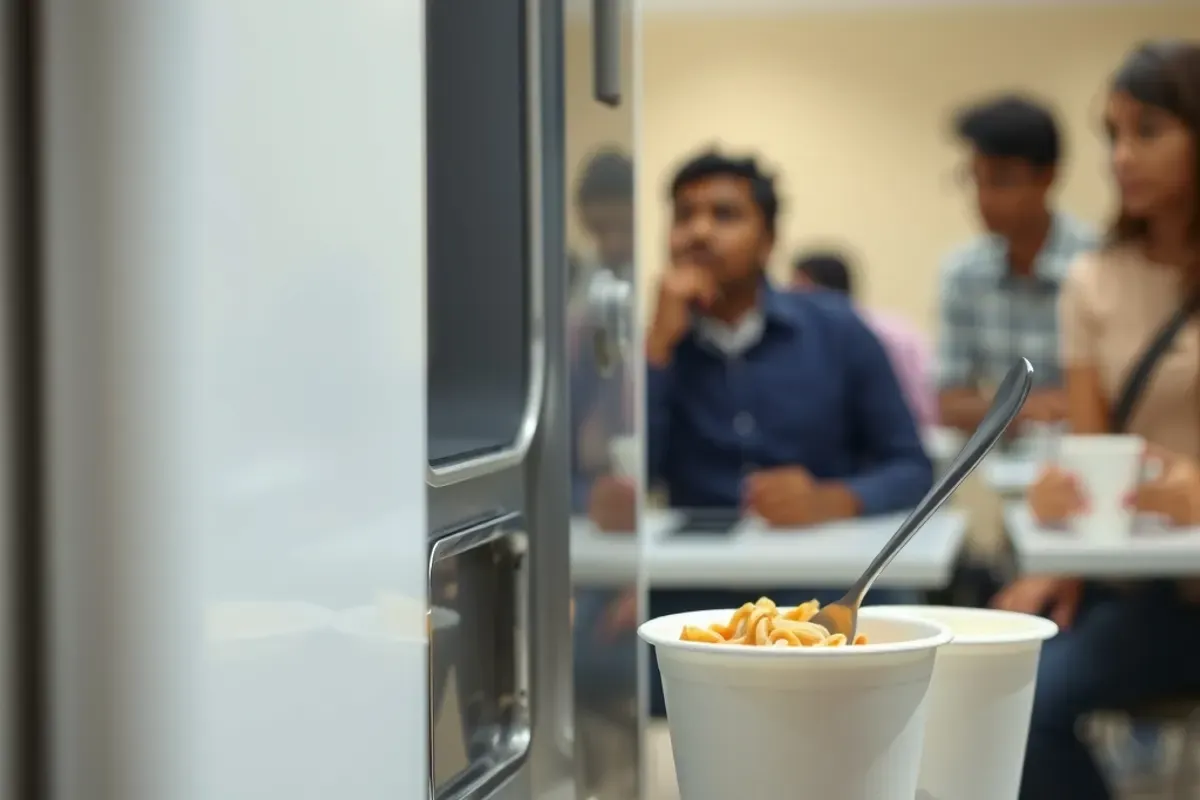
The table below gives a simple side-by-side view. Exact features, sizes and power needs depend on the model, and we confirm them in the written quote.
| Point to compare | Cup-and-hot-water machine | Cook-inside machine |
|---|---|---|
| How it serves | Adds hot water to a sealed cup | Cooks noodles in a chamber, then serves |
| Taste and texture | Like a standard instant cup | Closer to a freshly cooked plate |
| Cleaning effort | Lower | Higher, with daily routines |
| Water needs | Safe drinking water for the heater | Safe water for cooking and cleaning |
| Power needs | Moderate, for the water heater | Usually higher, for cooking |
| Stock handling | Sealed cups only | Noodle portions, seasoning, bowls |
| Best for | Hostels, offices, gaming centres | Busy canteens and staffed sites |
For most first-time sites, a cup-and-hot-water noodle vending machine is the easier place to start. You can always add a second, more advanced unit later if demand is strong.
The machine data for this page lists colleges, hostels, gaming centres and offices as natural fits. These are places where people are young, busy and often hungry at odd hours.
Hostels are the classic home for a noodle vending machine. A good noodle machine for colleges has to handle late-night rush. Students study late, the mess closes early, and room cooking is often not allowed. A machine in the hostel common room, near the reading room or at the main entrance can serve students safely all night.
If you are planning food and drink across a whole campus, see our campus vending solutions for ideas on combining machines in libraries, sports blocks and hostels.
In offices, a noodle vending machine fills the gap between lunch and dinner. It helps teams on late calls and staff in shift work. Placing it in the pantry, next to the tea and coffee point, keeps all quick food in one spot. Our office vending solutions page shows how different machines can work together in a workplace.
Gaming centres and similar hangout places have long sessions and a young crowd. A hot noodles vending machine near the waiting or rest area keeps people comfortable without leaving the venue. Space is often tight here, so measure the spot carefully.
Wherever you place the noodle vending machine, keep these simple rules in mind:
A good menu keeps people coming back to your noodle vending machine. The trick is to offer familiar tastes, a little variety and a few lighter choices, without making the machine hard to manage.
Start with a small menu of popular flavours. Many sites begin with a classic masala option, a vegetable option and a spicy option. Add one or two lighter or healthier choices, such as whole wheat or lower-salt noodles, if your users ask for them.
Keep the number of flavours small at first. A tight menu is easier to restock, and it shows you quickly what sells. You can change slow sellers after a few weeks.
Food safety is not optional, even for packaged noodles in a noodle vending machine. All food should be stocked in FSSAI-compliant packaging, with clear labels and best-before dates. The FSSAI labelling and display rules explain what food labels in India should show. Who holds the food licence depends on the engagement model you choose, so settle this before the machine goes live.
Simple habits keep food safe:
The World Health Organization’s food safety fact sheet is a useful plain-language reminder of why clean water and clean handling matter so much.
A noodle vending machine works even better next to a drinks machine. Many sites pair it with a tea and coffee vending machine or a cold beverage vending machine. If you want proper meals as well as snacks, a hot meal vending machine can cover lunch and dinner while noodles cover quick hunger.
Payment is where a self-service machine wins or loses users. If paying is slow or confusing, people walk away.
Most modern machines accept UPI QR codes, which is now a habit for small payments in India. Depending on the model, you may also be able to accept:
These options are model dependent. Tell us how your users pay today and we will confirm what is possible in writing.
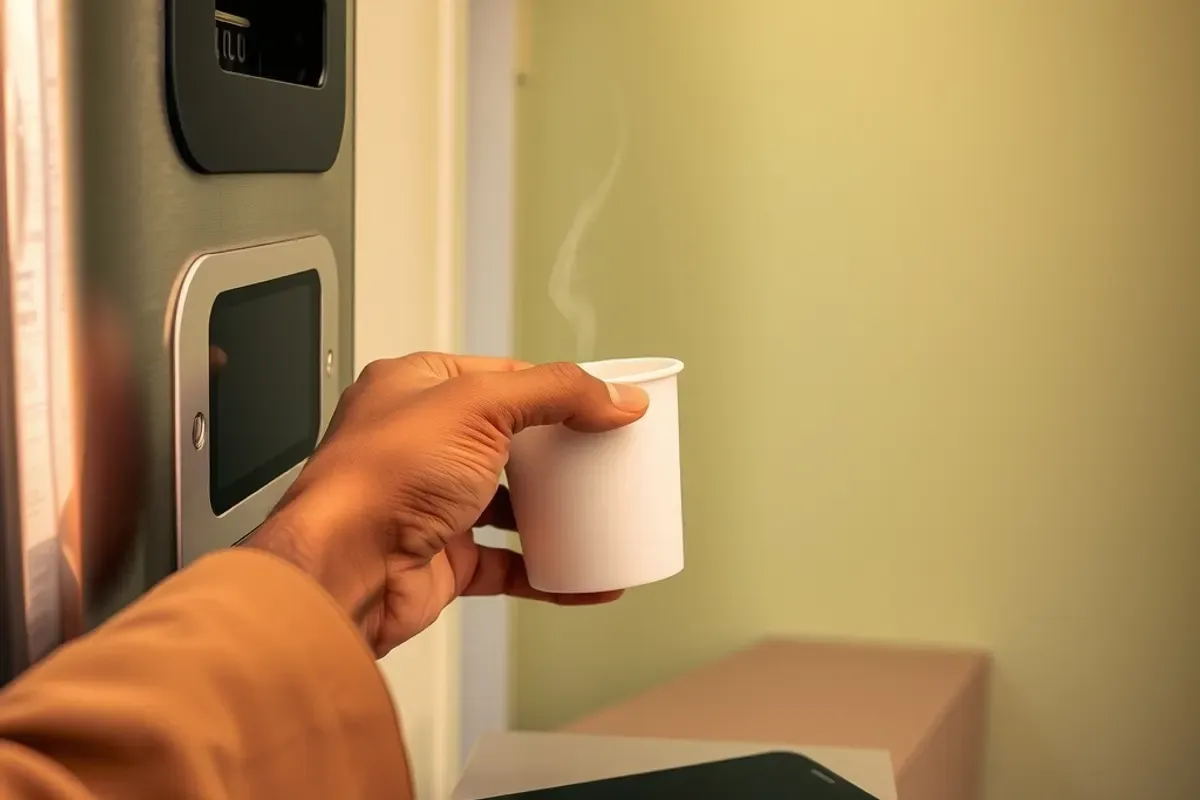
Many noodle vending machine models now come with remote monitoring. These features are optional and model dependent, but they can save a lot of time:
To learn more about connected machines, read our guide to smart vending.
A noodle vending machine is simple to use, but it still needs a steady routine behind it. Most problems come from missed refills, old water filters or skipped cleaning, not from the machine itself.
Here is a basic routine many sites follow. Adjust it to how busy your machine is.
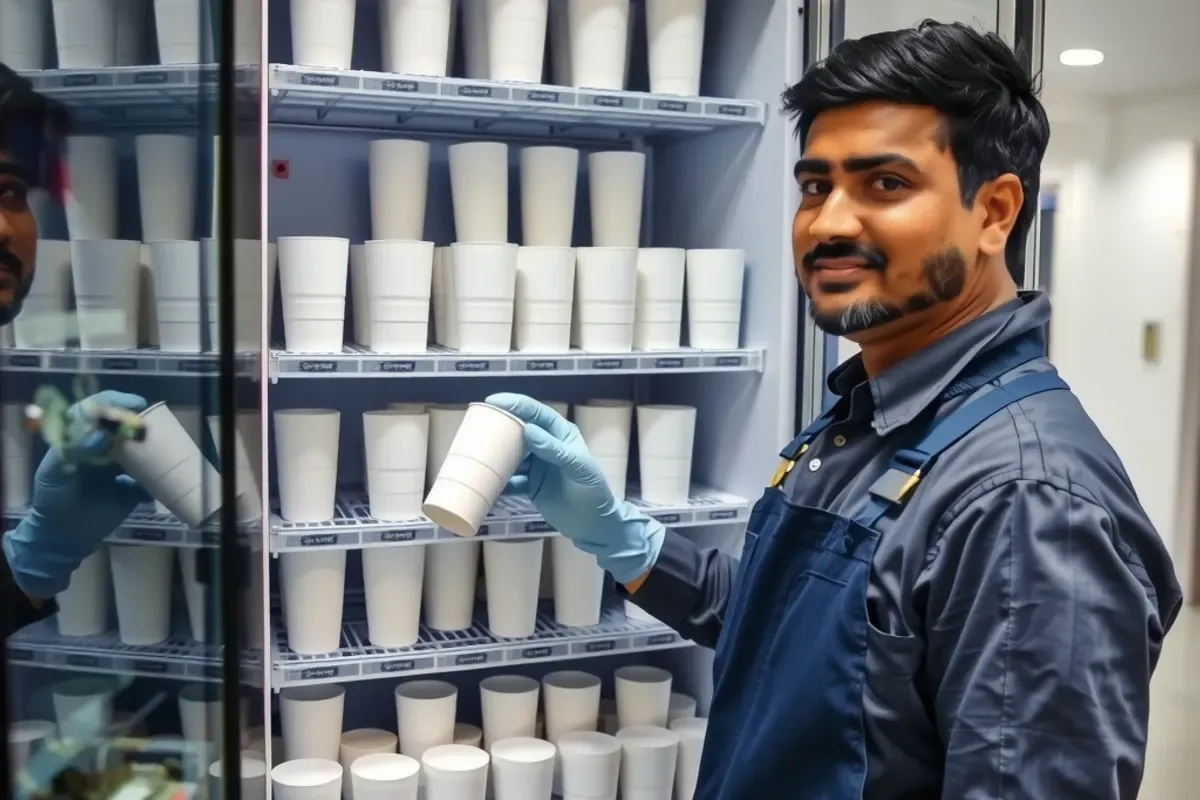
There are a few ways to share the work. Your own staff can refill and clean the machine. Or you can work with a partner who handles stock, cleaning and service. You can ask us whether a managed or operated model is available for your site. If you want to run machines as a business yourself, our partner page explains the options you can discuss with us.
A noodle vending machine heats water, so electrical safety matters. Use an earthed power point and avoid extension boards. Keep the machine away from spills. Any BIS or safety certification for your chosen model is confirmed in your written quote. The Bureau of Indian Standards is the national body for product standards in India, if you want to read more.
Many first-time noodle vending machine buyers make the same small mistakes. Avoiding them saves money and keeps users happy.
A noodle vending machine is a strong choice if your site has young users, late hours and limited hot food options. It is especially useful where room cooking is unsafe or not allowed, or where the canteen closes early.
It may be less suited to places with very low footfall, no safe water source, or where hot food already runs round the clock. In those cases, a simple snack vending machine or a mix of machines may work better.
Not sure which machine fits? Try our vending machine finder to match machines to your venue, or browse all vending machine types to compare options side by side.
Before you ask for a quote, it helps to have answers to these questions:
If you are planning a noodle vending machine for a college, hostel, office or gaming centre, we can help you pick the right type, menu and payment setup for your space. Share your site details and we will suggest a suitable setup, with features, power needs and any certification confirmed in writing. Request a free noodle vending machine quote and tell us about your venue.
It depends on the model and the cooking method. Many machines that add hot water to a sealed cup or bowl serve in a couple of minutes, while machines that boil noodles inside may take a little longer. We confirm the expected serving time for your chosen model in the written quote, so you can plan for rush hours.
Some models use a refillable water tank, and others connect to a filtered water line. A direct line is easier for busy sites, while a tank suits places where plumbing is hard. Either way, the water should be safe for drinking and the filter must be changed on time. We check this during the site survey.
Most modern machines support UPI QR payments, and some also accept cards, campus ID cards or prepaid wallets. Payment options are model dependent. Tell us how your students or staff pay today, such as a campus card or a mess wallet, and we will confirm which options are possible for your site in writing.
You can stock sealed instant noodle cups or packs from any supplier you trust, in flavours your users like. Many sites mix classic masala, vegetable and spicy options with a few healthier choices. All food should be stocked in FSSAI-compliant packaging, and who holds the food licence depends on the engagement model you choose.
Good machines keep the hot water and heating parts sealed inside, so users never touch them. The cup comes out through a covered pickup slot. Place the machine on a level floor, away from water spills, with an earthed power point. Any BIS or safety certification for your chosen model is confirmed in your written quote.
That depends on the setup. Some sites refill and clean the machine with their own staff, while others prefer a partner to handle stock, cleaning and service visits. You can ask us whether a managed or operated model is available for your location. Either way, set a clear cleaning and refill schedule from day one.